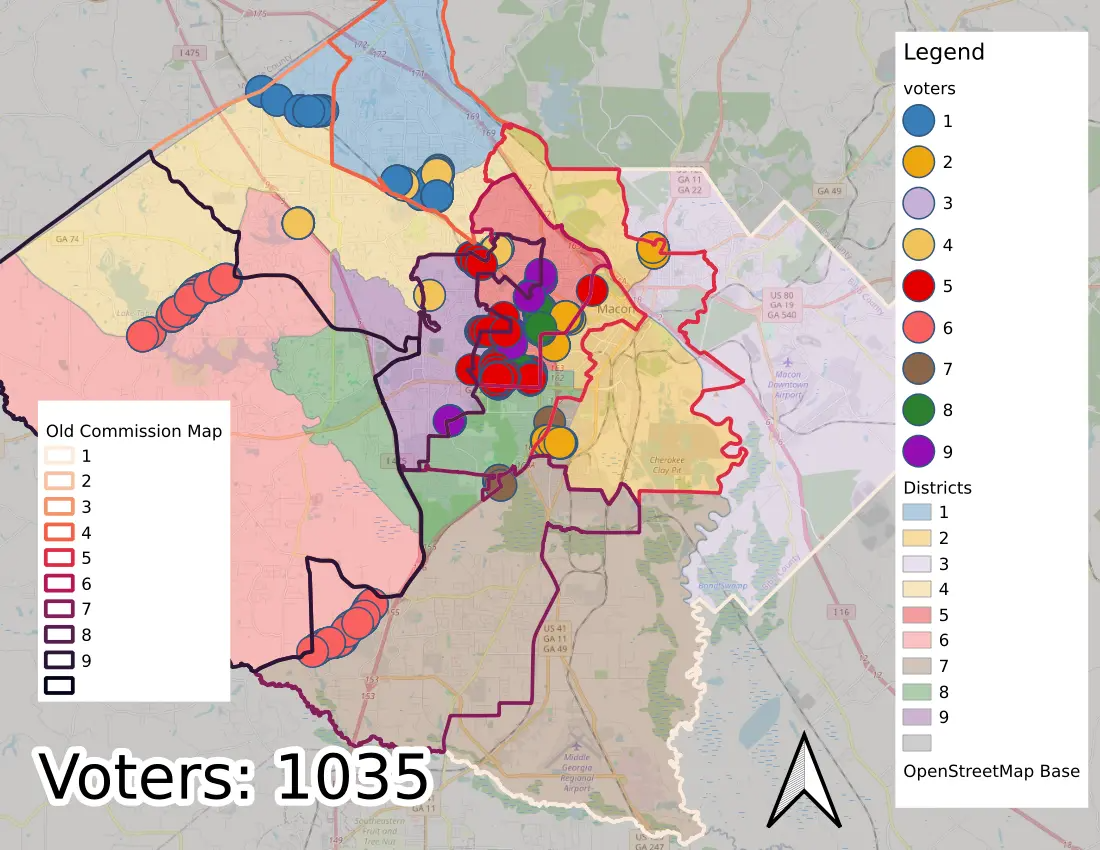
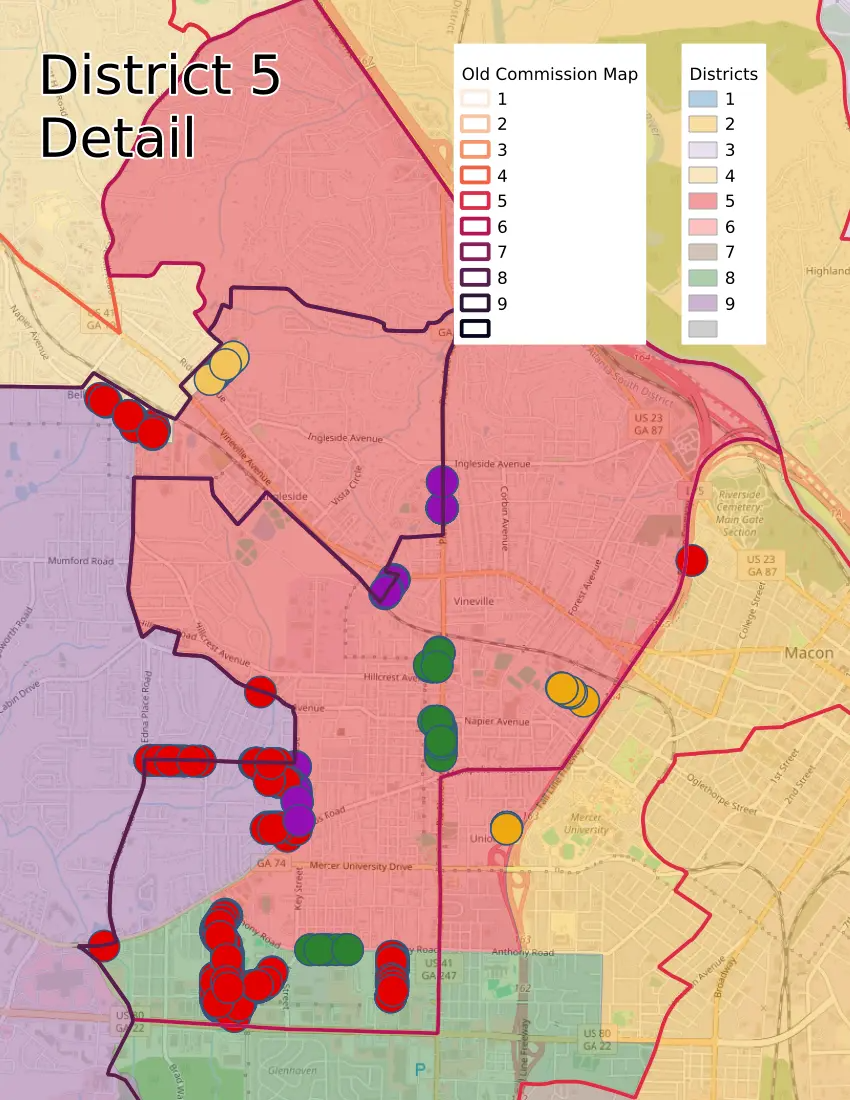
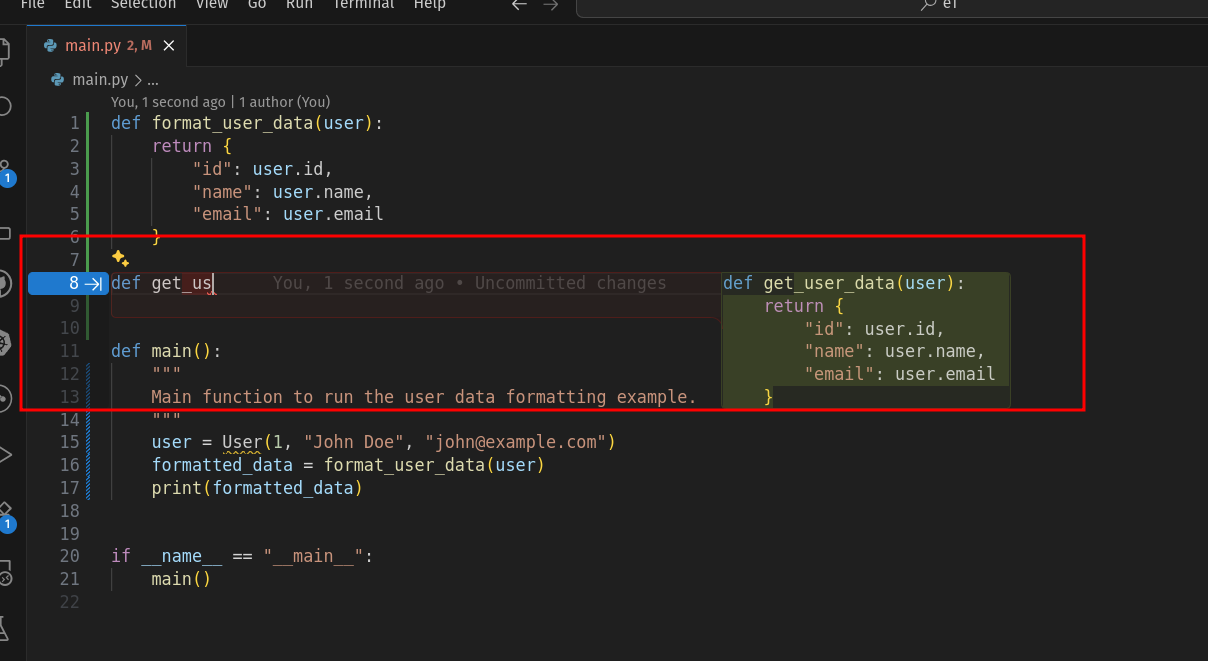
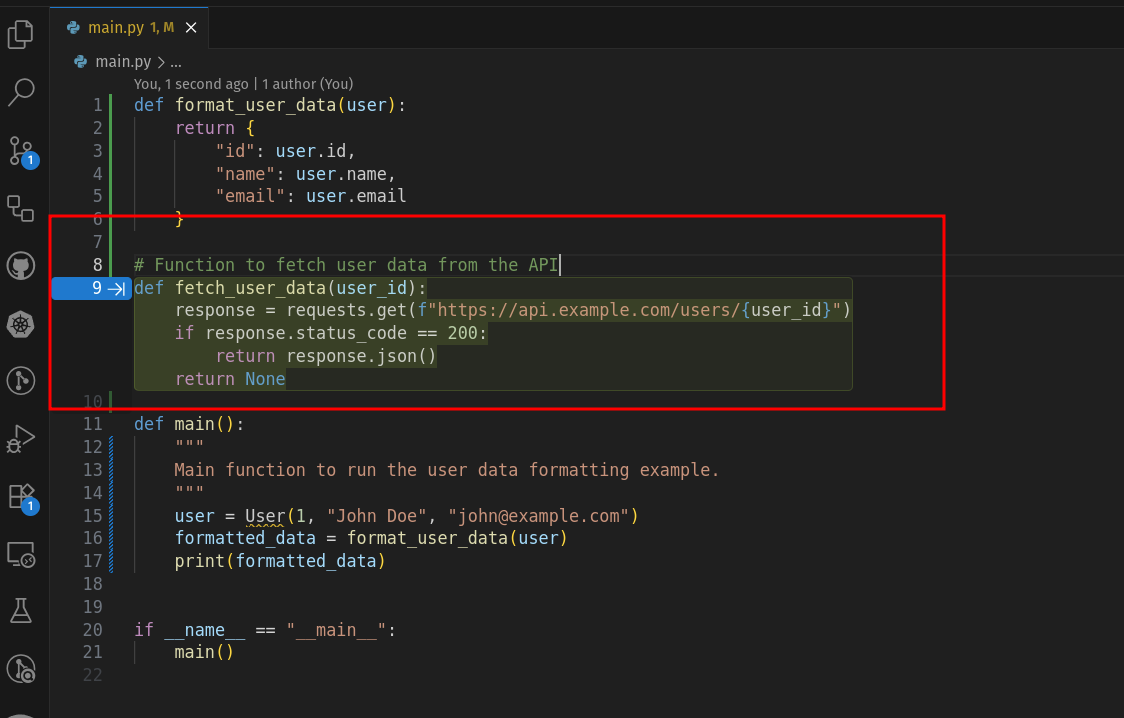
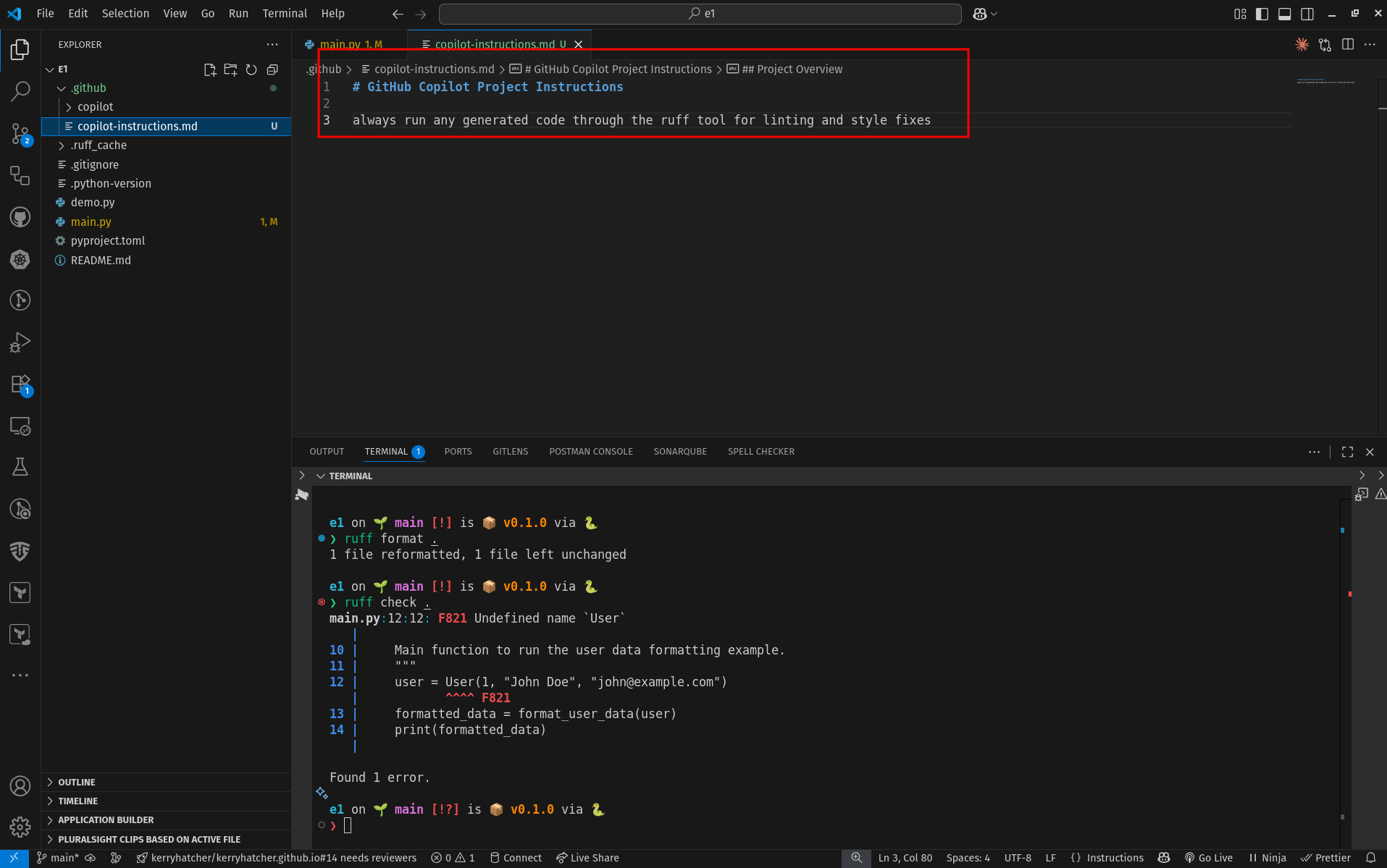
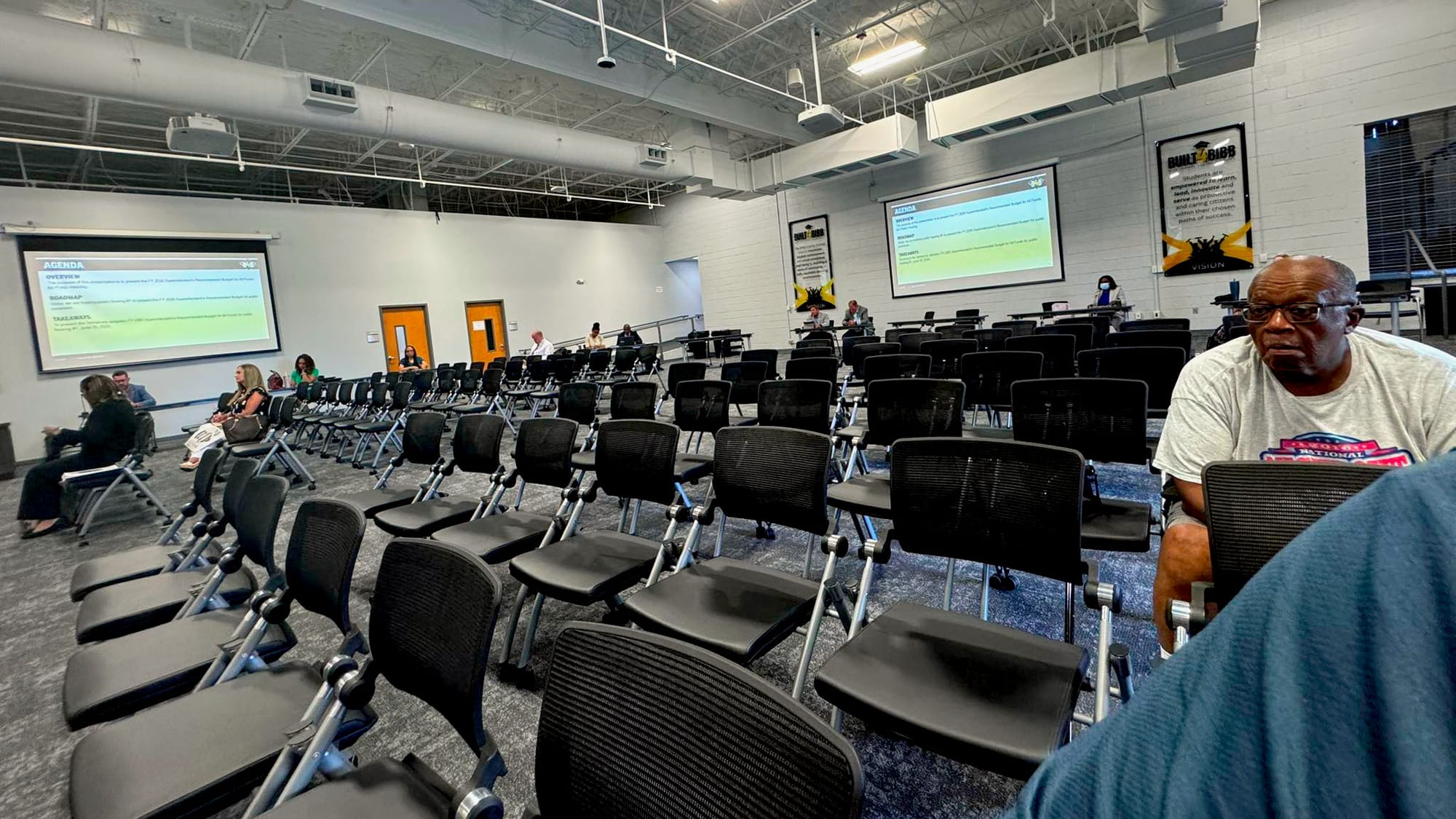
<?xml version="1.0" encoding="utf-8"?><feed xmlns="http://www.w3.org/2005/Atom" ><generator uri="https://jekyllrb.com/" version="4.2.2">Jekyll</generator><link href="https://www.kerryhatcher.com/feed.xml" rel="self" type="application/atom+xml" /><link href="https://www.kerryhatcher.com/" rel="alternate" type="text/html" /><updated>2026-05-27T01:30:51-05:00</updated><id>https://www.kerryhatcher.com/feed.xml</id><title type="html">Kerry Hatcher</title><subtitle>Notes, essays, and field reports from Kerry Hatcher.</subtitle><author><name>Kerry Hatcher</name></author><entry><title type="html">Trust, Then Verify: 1,035 Reasons Why</title><link href="https://www.kerryhatcher.com/trust-then-verify-1-035-reasons-why/" rel="alternate" type="text/html" title="Trust, Then Verify: 1,035 Reasons Why" /><published>2026-02-11T14:41:22-06:00</published><updated>2026-02-11T14:41:22-06:00</updated><id>https://www.kerryhatcher.com/trust-then-verify-1-035-reasons-why</id><content type="html" xml:base="https://www.kerryhatcher.com/trust-then-verify-1-035-reasons-why/"><![CDATA[<p>Imagine showing up to vote and being told you're in the wrong district. Not because you moved. Not because you filled out a form incorrectly. Because somewhere between the maps and the voter rolls, the system put you in the wrong place.</p><p>That's not a hypothetical. Right now,&nbsp;<strong>at least 1,035 voters in Macon-Bibb County are registered in a commission district that doesn't match where they actually live</strong>. And with a special election for District 5 coming up on March 17th, that's a problem we need to talk about.</p><p>I want to tell you how I found this, why it matters, and what you can do about it.</p><figure class="kg-card kg-bookmark-card"><a class="kg-bookmark-container" href="https://maconmelody.com/ahead-of-election-some-macon-residents-in-district-5-may-be-registered-to-vote-in-other-districts/?ref=kerryhatcher.com"><div class="kg-bookmark-content"><div class="kg-bookmark-title">Macon’s board of elections working to resolve district mapping errors ahead of District 5 election</div><div class="kg-bookmark-description">The Secretary of State’s Office is looking into the registration problems after a complaint was submitted.</div><div class="kg-bookmark-metadata"><img class="kg-bookmark-icon" src="https://static.ghost.org/v5.0.0/images/link-icon.svg" alt=""><span class="kg-bookmark-author">The Macon Melody</span><span class="kg-bookmark-publisher">Laura Corley</span></div></div><div class="kg-bookmark-thumbnail"><img src="https://d1hrd70mqpn9ty.cloudfront.net/wp-content/uploads/2026/02/10212323/020626_Elections_Map_0036-scaled.jpg" alt="" onerror="this.style.display = 'none'"></div></a></figure><h2 id="it-started-at-a-commission-meeting">It Started at a Commission Meeting</h2><p>On January 20, 2026, the Macon-Bibb County Commission met to vote on a resolution scheduling a special election. The election would fill the unexpired term of Seth Clark, who had represented District 5. The vote was set for March 17th.</p><p>The resolution passed 6-1. Commissioner Donice Bryant cast the lone dissenting vote. Among her concerns:&nbsp;<strong>the accuracy of the county's district maps</strong>. Were voters actually assigned to the right districts?</p><p>I'm a software engineer and a Macon-Bibb County resident. When I heard Commissioner Bryant's concerns, something clicked. The voter registration data is public. The district boundary maps are public. I had the skills to compare the two. So I did.</p><h2 id="this-isnt-new">This Isn't New</h2><p>Before I get into the technical details, I want you to hear from someone who has lived this problem firsthand.</p><p>A local civic organizer I spoke with, someone with a background in politics and deep roots in Macon's civic life, told me this has been happening for years. He experienced it himself.</p><p>"We had people voting that was showing up in the wrong district," he told me. "Half myself included. Showed up and I was in the old district."</p><p>He wasn't alone. It got serious enough that he ended up getting voter protection involved. "They came down from Atlanta," he said.</p><p>According to him, this kind of thing is common when district maps get redrawn. But in Macon-Bibb, the problem was compounded. "What made it much worse was that the county got hacked," he explained. At one point, only a single computer had access to JARVIS, the voting system.</p><p>When I shared my findings, 1,035 voters in the wrong district, his response was blunt:&nbsp;<strong>"It's wild that's still the case years later."</strong></p><p>Years later. And a special election weeks away.</p><h2 id="the-numbers">The Numbers</h2><p>Here's what the analysis found:</p><ul><li><strong>1,035 voters</strong>&nbsp;across all 9 county commission districts are registered in a district that doesn't match where they actually live, according to Macon-Bibb County's own GIS boundary maps.</li><li><strong>540 of those voters are in District 5 -</strong> the very district with the upcoming special election.</li><li>As the analysis expanded from District 5 to all 9 districts, the number nearly doubled.</li></ul><p>These are&nbsp;<strong>conservative numbers</strong>. I only counted voters whose addresses could be matched to coordinates with high confidence. The real number is likely higher.</p><p>I also want to be upfront about the limits of this analysis. The primary geocoding source I used is the US Census Bureau's geocoder, an official government service, but not a perfect one. Geocoding can occasionally place an address slightly off from its true location, especially near district boundaries. Some of the mismatches I found could be the result of geocoding imprecision rather than a genuine registration error.</p><p><strong>My findings should not be taken as gospel truth.</strong>&nbsp;What they should be taken as is a strong signal that something warrants a closer look. The right next step isn't to accept my numbers at face value, it's to call for a&nbsp;<strong>professional, independent third-party audit</strong>&nbsp;of voter-district assignments to make sure no one is being left out of an election they should be voting in.</p><p>I also want to be clear:&nbsp;<strong>none of these voters did anything wrong.</strong>&nbsp;They registered to vote. They were assigned a district. That assignment was incorrect. Most of them probably don't even know.</p><h2 id="how-do-you-even-check-something-like-this">How Do You Even Check Something Like This?</h2><p>The core idea is simple. Every voter has two pieces of information that should agree:</p><ol><li><strong>What the state says</strong>: the district listed on their voter registration (from the Georgia Secretary of State)</li><li><strong>What the map says</strong>: the district their address physically falls inside (from the county's GIS boundary maps)</li></ol><p>If those two don't match, there's a problem. Think of it like a phone book that says you live on Oak Street, but your house is actually on Elm Street. Except instead of a street name, it's which commissioner represents you.</p><p>Here's how I checked:</p><ol><li><strong>Got the voter list.</strong>&nbsp;The Georgia Secretary of State publishes voter registration data. Each record includes the voter's name, address, and their assigned districts, county commission, congressional, state senate, state house, and more.</li><li><strong>Got the map.</strong>&nbsp;Macon-Bibb County publishes its commission district boundaries through its GIS system. These are the official lines that define where each of the 9 districts begins and ends.</li><li><strong>Turned addresses into dots on a map.</strong>&nbsp;This is called geocoding -- converting a street address like "123 Main St" into GPS coordinates. I used multiple services, starting with the free US Census geocoder and falling back to others for addresses that didn't match the first time.</li><li><strong>Put everything in a spatial database.</strong>&nbsp;I loaded both the voter coordinates and the district boundary shapes into PostGIS, a database that understands geography. It can answer questions like "which shape does this point fall inside?"</li><li><strong>Asked the question.</strong>&nbsp;For each voter, I asked the database: which district polygon contains this voter's address? That gives the voter's&nbsp;<em>actual</em>&nbsp;district according to the map.</li><li><strong>Compared.</strong>&nbsp;Registered district vs. actual district. Any mismatch gets flagged.</li></ol><p>I built this tool (called&nbsp;<strong>Vote Match)</strong> over 4 days in early February 2026. Sixty-eight commits. The entire codebase is open source under the AGPL-3.0 license, published on&nbsp;<a href="https://github.com/kerryhatcher/vote-match?ref=kerryhatcher.com">GitHub</a>. Every step of the methodology is documented and reproducible.</p><p>The data is public. The tools are free or cheap. The question is simple. It just took someone asking it.</p><h2 id="the-maps-tell-the-story">The Maps Tell the Story</h2><p>I could throw more numbers at you, but the maps make this instantly clear.</p><p>Each voter is shown as a colored dot, the color represents the district they're&nbsp;<em>registered</em>&nbsp;in according to the Secretary of State. The background shading shows the&nbsp;<em>actual</em>&nbsp;district boundaries from the county's GIS maps. When a dot's color doesn't match the region it sits in, that voter is in the wrong district.</p><figure class="kg-card kg-image-card kg-card-hascaption"><img src="https://hatchdata.atl1.cdn.digitaloceanspaces.com/hatchdata/www-kerryhatcher-com/2026/02/image-2.png" class="kg-image" alt="QGIS map of Macon-Bibb County showing nine color-coded county commission districts as filled polygons with old commission district boundaries overlaid as dashed outlines. 1,035 color-coded voter dots are scattered across the map, each colored by the commission district listed in their voter registration. Mismatched voters appear where their dot color does not match the underlying district color, concentrated in central Macon and along the western district boundaries. Legends for voters, new districts, and old commission map are shown. OpenStreetMap base layer." loading="lazy" width="1100" height="850"><figcaption><span style="white-space: pre-wrap;">Overview of 1,035 voter registration district mismatches across all nine Macon-Bibb County commission districts, comparing old and new district boundaries.</span></figcaption></figure><p>Zoom into District 5 and the problem jumps off the screen. Clusters of voters registered in District 5 are sitting clearly outside its boundaries, in neighborhoods that belong to neighboring districts.</p><figure class="kg-card kg-image-card kg-card-hascaption"><img src="https://hatchdata.atl1.cdn.digitaloceanspaces.com/hatchdata/www-kerryhatcher-com/2026/02/image-3.png" class="kg-image" alt="Zoomed-in QGIS map of the District 5 area in western Macon, titled &quot;District 5 Detail.&quot; The pink-shaded new District 5 boundary and dark purple old commission District 5 outline are visible, revealing areas where the boundaries diverge. Clusters of red (District 5) voter dots appear outside the new District 5 boundary along the western edge near Bellevue and Eisenhower Parkway. Purple (District 9), green (District 8), and yellow (District 2) voter dots are also misplaced within the district. Street-level detail shows Ingleside Avenue, Vineville, Mercer University Drive, and GA 74." loading="lazy" width="850" height="1100"><figcaption><span style="white-space: pre-wrap;">Detail view of District 5 showing voter registration mismatches in western and central Macon, where old and new commission boundaries diverge.</span></figcaption></figure><p>I shared these maps, along with the underlying data in CSV format, directly with county officials. An&nbsp;<a href="https://maps.kerryhatcher.com/304rhjgh02u6667gskrsdthjw84rgh/mbc.html?ref=kerryhatcher.com">interactive version of the map</a>&nbsp;lets you zoom in, click individual markers, and explore the data yourself.<br></p>
<iframe
  src="https://maps.kerryhatcher.com/226qntx2j28ii3p7rzfqpajv3uff4gsmz6xrymm6uvu6qip2/privacy-mismatches.html"
  title="MBC Voter Reg Errors"
  width="100%"
  height="600px"
  style="border: 1px solid #ccc; border-radius: 4px;"
  allowfullscreen
  loading="lazy">
</iframe>
<h2 id="march-17th-is-coming">March 17th Is Coming</h2><p>The special election for District 5 is March 17, 2026. That's not far away.</p><p>If 540 or more voters in District 5 are registered in the wrong district, they could be voting for a commissioner who won't represent their neighborhood. Or they could be excluded from a race that directly affects them. Either way, it's a problem of&nbsp;<strong>representation</strong>.</p><p>In local elections, margins are often thin. Over a thousand voters assigned to the wrong district is not a rounding error.</p><p>I emailed my initial findings to county officials on February 4th, Mr. Gillon and Ms. Evans, along with the interactive map, the source data, and the code. I was transparent about the tension I felt:</p><blockquote>"Normally, I would prefer to do some double checking, verification, and separate analysis before bringing this to your attention. However, I think the upcoming special election calls for urgency."</blockquote><p>I'd rather share early and be corrected than wait until after the election.</p><h2 id="everything-is-open">Everything Is Open</h2><p>Every part of this analysis is public and verifiable:</p><ul><li><strong>The source code</strong>&nbsp;is on&nbsp;<a href="https://github.com/kerryhatcher/vote-match?ref=kerryhatcher.com">GitHub</a></li><li><strong>The voter roll data</strong>&nbsp;comes from the Georgia Secretary of State -- publicly available</li><li><strong>The district boundary maps</strong>&nbsp;come from Macon-Bibb County's GIS system -- publicly available</li><li><strong>The methodology</strong>&nbsp;is documented in the repository</li></ul><p>I don't want you to take my word for it. I want you to be able to check. As I told county officials: "I'm more than happy to share my source data and work, as well as collaborate with MBC GIS (or anyone) to independently verify the data."</p><p>Vote Match isn't limited to county commission districts, either. It supports all 17 district types found in Georgia voter registration data, congressional, state senate, state house, school board, judicial, Public Service Commission, and more. And it's not limited to Macon-Bibb. Any county in Georgia with public voter rolls and GIS boundary data could run the same analysis.</p><h2 id="what-you-can-do">What You Can Do</h2><p><strong>Check your own registration.</strong>&nbsp;Visit the&nbsp;<a href="https://mvp.sos.ga.gov/?ref=kerryhatcher.com">Georgia My Voter Page</a>&nbsp;and verify your district assignments match where you actually live.</p><p><strong>If you live in Macon-Bibb County,</strong> especially in or near District 5, take a close look. Make sure you're registered in the right district before March 17th.</p><p><strong>Contact your officials.</strong>&nbsp;If accurate voter-district assignments matter to you, let your commissioner and the Macon-Bibb Board of Elections know. Ask them to conduct an independent, professional audit of voter-district assignments before March 17th.</p><p><strong>Share this post.</strong>&nbsp;The more people who check their registration, the better.</p><p><strong>If you're a developer or data person</strong>, the tool is open source. Fork it, run it for your county, improve it, and let me know what you find.</p><hr><p>This tool was built in 4 days by one person using public data and open-source software. That's the point. We don't have to wait for someone else to verify our own government's records. The data is there. The tools are there.</p><p><strong><em>Let's make sure the data is right so that no one is disenfranchised.</em></strong><br><br>Thank you, <br>-Kerry<br></p><hr><figure class="kg-card kg-bookmark-card"><a class="kg-bookmark-container" href="https://www.kerryhatcher.com/im-running-for-the-bibb-county-board-of-education/"><div class="kg-bookmark-content"><div class="kg-bookmark-title">I’m Running for the Bibb County Board of Education</div><div class="kg-bookmark-description">I’ve been attending budget hearings, digging through spreadsheets, researching state funding formulas for fun, and then writing long posts trying to share what I discover. I’ve watched as our community wrestles with big questions about literacy, safety, funding, and trust in our institutions. Somewhere along the way, just</div><div class="kg-bookmark-metadata"><img class="kg-bookmark-icon" src="https://static.ghost.org/v5.0.0/images/link-icon.svg" alt=""><span class="kg-bookmark-author">Kerry Hatcher</span><span class="kg-bookmark-publisher">Kerry Hatcher</span></div></div><div class="kg-bookmark-thumbnail"><img src="https://hatchdata.atl1.cdn.digitaloceanspaces.com/hatchdata/www-kerryhatcher-com/2025/12/vote_hatcher.png" alt="" onerror="this.style.display = 'none'"></div></a></figure>]]></content><author><name>Kerry Hatcher</name></author><category term="macon" /><summary type="html"><![CDATA[Imagine showing up to vote and being told you're in the wrong district. Not because you moved. Not because you filled out a form incorrectly. Because somewhere between the maps and the voter rolls, the system put you in the wrong place.That's not a hypothetical. Right now,&nbsp;at least 1,035 voters in Macon-Bibb County are registered in a commission district that doesn't match where they actually live. And with a special election for District 5 coming up on March 17th, that's a problem we need to talk about.I want to tell you how I found this, why it matters, and what you can do about it.Macon’s board of elections working to resolve district mapping errors ahead of District 5 electionThe Secretary of State’s Office is looking into the registration problems after a complaint was submitted.The Macon MelodyLaura CorleyIt Started at a Commission MeetingOn January 20, 2026, the Macon-Bibb County Commission met to vote on a resolution scheduling a special election. The election would fill the unexpired term of Seth Clark, who had represented District 5. The vote was set for March 17th.The resolution passed 6-1. Commissioner Donice Bryant cast the lone dissenting vote. Among her concerns:&nbsp;the accuracy of the county's district maps. Were voters actually assigned to the right districts?I'm a software engineer and a Macon-Bibb County resident. When I heard Commissioner Bryant's concerns, something clicked. The voter registration data is public. The district boundary maps are public. I had the skills to compare the two. So I did.This Isn't NewBefore I get into the technical details, I want you to hear from someone who has lived this problem firsthand.A local civic organizer I spoke with, someone with a background in politics and deep roots in Macon's civic life, told me this has been happening for years. He experienced it himself."We had people voting that was showing up in the wrong district," he told me. "Half myself included. Showed up and I was in the old district."He wasn't alone. It got serious enough that he ended up getting voter protection involved. "They came down from Atlanta," he said.According to him, this kind of thing is common when district maps get redrawn. But in Macon-Bibb, the problem was compounded. "What made it much worse was that the county got hacked," he explained. At one point, only a single computer had access to JARVIS, the voting system.When I shared my findings, 1,035 voters in the wrong district, his response was blunt:&nbsp;"It's wild that's still the case years later."Years later. And a special election weeks away.The NumbersHere's what the analysis found:1,035 voters&nbsp;across all 9 county commission districts are registered in a district that doesn't match where they actually live, according to Macon-Bibb County's own GIS boundary maps.540 of those voters are in District 5 - the very district with the upcoming special election.As the analysis expanded from District 5 to all 9 districts, the number nearly doubled.These are&nbsp;conservative numbers. I only counted voters whose addresses could be matched to coordinates with high confidence. The real number is likely higher.I also want to be upfront about the limits of this analysis. The primary geocoding source I used is the US Census Bureau's geocoder, an official government service, but not a perfect one. Geocoding can occasionally place an address slightly off from its true location, especially near district boundaries. Some of the mismatches I found could be the result of geocoding imprecision rather than a genuine registration error.My findings should not be taken as gospel truth.&nbsp;What they should be taken as is a strong signal that something warrants a closer look. The right next step isn't to accept my numbers at face value, it's to call for a&nbsp;professional, independent third-party audit&nbsp;of voter-district assignments to make sure no one is being left out of an election they should be voting in.I also want to be clear:&nbsp;none of these voters did anything wrong.&nbsp;They registered to vote. They were assigned a district. That assignment was incorrect. Most of them probably don't even know.How Do You Even Check Something Like This?The core idea is simple. Every voter has two pieces of information that should agree:What the state says: the district listed on their voter registration (from the Georgia Secretary of State)What the map says: the district their address physically falls inside (from the county's GIS boundary maps)If those two don't match, there's a problem. Think of it like a phone book that says you live on Oak Street, but your house is actually on Elm Street. Except instead of a street name, it's which commissioner represents you.Here's how I checked:Got the voter list.&nbsp;The Georgia Secretary of State publishes voter registration data. Each record includes the voter's name, address, and their assigned districts, county commission, congressional, state senate, state house, and more.Got the map.&nbsp;Macon-Bibb County publishes its commission district boundaries through its GIS system. These are the official lines that define where each of the 9 districts begins and ends.Turned addresses into dots on a map.&nbsp;This is called geocoding -- converting a street address like "123 Main St" into GPS coordinates. I used multiple services, starting with the free US Census geocoder and falling back to others for addresses that didn't match the first time.Put everything in a spatial database.&nbsp;I loaded both the voter coordinates and the district boundary shapes into PostGIS, a database that understands geography. It can answer questions like "which shape does this point fall inside?"Asked the question.&nbsp;For each voter, I asked the database: which district polygon contains this voter's address? That gives the voter's&nbsp;actual&nbsp;district according to the map.Compared.&nbsp;Registered district vs. actual district. Any mismatch gets flagged.I built this tool (called&nbsp;Vote Match) over 4 days in early February 2026. Sixty-eight commits. The entire codebase is open source under the AGPL-3.0 license, published on&nbsp;GitHub. Every step of the methodology is documented and reproducible.The data is public. The tools are free or cheap. The question is simple. It just took someone asking it.The Maps Tell the StoryI could throw more numbers at you, but the maps make this instantly clear.Each voter is shown as a colored dot, the color represents the district they're&nbsp;registered&nbsp;in according to the Secretary of State. The background shading shows the&nbsp;actual&nbsp;district boundaries from the county's GIS maps. When a dot's color doesn't match the region it sits in, that voter is in the wrong district.Overview of 1,035 voter registration district mismatches across all nine Macon-Bibb County commission districts, comparing old and new district boundaries.Zoom into District 5 and the problem jumps off the screen. Clusters of voters registered in District 5 are sitting clearly outside its boundaries, in neighborhoods that belong to neighboring districts.Detail view of District 5 showing voter registration mismatches in western and central Macon, where old and new commission boundaries diverge.I shared these maps, along with the underlying data in CSV format, directly with county officials. An&nbsp;interactive version of the map&nbsp;lets you zoom in, click individual markers, and explore the data yourself. March 17th Is ComingThe special election for District 5 is March 17, 2026. That's not far away.If 540 or more voters in District 5 are registered in the wrong district, they could be voting for a commissioner who won't represent their neighborhood. Or they could be excluded from a race that directly affects them. Either way, it's a problem of&nbsp;representation.In local elections, margins are often thin. Over a thousand voters assigned to the wrong district is not a rounding error.I emailed my initial findings to county officials on February 4th, Mr. Gillon and Ms. Evans, along with the interactive map, the source data, and the code. I was transparent about the tension I felt:"Normally, I would prefer to do some double checking, verification, and separate analysis before bringing this to your attention. However, I think the upcoming special election calls for urgency."I'd rather share early and be corrected than wait until after the election.Everything Is OpenEvery part of this analysis is public and verifiable:The source code&nbsp;is on&nbsp;GitHubThe voter roll data&nbsp;comes from the Georgia Secretary of State -- publicly availableThe district boundary maps&nbsp;come from Macon-Bibb County's GIS system -- publicly availableThe methodology&nbsp;is documented in the repositoryI don't want you to take my word for it. I want you to be able to check. As I told county officials: "I'm more than happy to share my source data and work, as well as collaborate with MBC GIS (or anyone) to independently verify the data."Vote Match isn't limited to county commission districts, either. It supports all 17 district types found in Georgia voter registration data, congressional, state senate, state house, school board, judicial, Public Service Commission, and more. And it's not limited to Macon-Bibb. Any county in Georgia with public voter rolls and GIS boundary data could run the same analysis.What You Can DoCheck your own registration.&nbsp;Visit the&nbsp;Georgia My Voter Page&nbsp;and verify your district assignments match where you actually live.If you live in Macon-Bibb County, especially in or near District 5, take a close look. Make sure you're registered in the right district before March 17th.Contact your officials.&nbsp;If accurate voter-district assignments matter to you, let your commissioner and the Macon-Bibb Board of Elections know. Ask them to conduct an independent, professional audit of voter-district assignments before March 17th.Share this post.&nbsp;The more people who check their registration, the better.If you're a developer or data person, the tool is open source. Fork it, run it for your county, improve it, and let me know what you find.This tool was built in 4 days by one person using public data and open-source software. That's the point. We don't have to wait for someone else to verify our own government's records. The data is there. The tools are there.Let's make sure the data is right so that no one is disenfranchised.Thank you, -KerryI’m Running for the Bibb County Board of EducationI’ve been attending budget hearings, digging through spreadsheets, researching state funding formulas for fun, and then writing long posts trying to share what I discover. I’ve watched as our community wrestles with big questions about literacy, safety, funding, and trust in our institutions. Somewhere along the way, justKerry HatcherKerry Hatcher]]></summary></entry><entry><title type="html">I’m Running for the Bibb County Board of Education</title><link href="https://www.kerryhatcher.com/im-running-for-the-bibb-county-board-of-education/" rel="alternate" type="text/html" title="I’m Running for the Bibb County Board of Education" /><published>2025-12-11T15:00:45-06:00</published><updated>2025-12-11T15:00:45-06:00</updated><id>https://www.kerryhatcher.com/im-running-for-the-bibb-county-board-of-education</id><content type="html" xml:base="https://www.kerryhatcher.com/im-running-for-the-bibb-county-board-of-education/"><![CDATA[<p>I’ve been attending budget hearings, digging through spreadsheets, researching state funding formulas for fun, and then writing long posts trying to share what I discover. I’ve watched as our community wrestles with big questions about literacy, safety, funding, and trust in our institutions.</p><p>Somewhere along the way, just sitting in the audience stopped feeling like enough. Then more than one of you asked the question "so you running?"</p><p>Today, I want to share this with you plainly:</p><h2 id="yes-i%E2%80%99m-running-for-the-bibb-county-board-of-education-at-large-post-7"><a href="https://www.votehatcher.com/my-platform/?ref=kerryhatcher.com" rel="noreferrer"><strong>Yes! I’m running for the Bibb County Board of Education, At-Large Post 7.</strong></a></h2><p></p><p>I’m running as a parent with children in Bibb County schools, a long-time Macon resident, and a problem-solver by trade who believes we can do better, <em>and</em> be more honest about how we’re doing it.</p><hr><h2 id="what-i-see-when-i-look-at-our-schools">What I See When I Look at Our Schools</h2><p>When I look at our school system, I see two truths that live side by side:</p><ul><li>We have dedicated, hard-working people at every level who care deeply about kids.</li><li>We also have systems and habits that make it incredibly hard for families, teachers, and taxpayers to see what’s going on, understand the “why” behind decisions, or feel like their voices really matter.</li></ul><p>We know that too many of our students are struggling with reading, especially in the early grades. In Bibb County, only about one in five elementary students reads on grade level. That’s not just a statistic; it’s a warning light on the dashboard for our entire community.</p><p>We also know that trust is fragile. People are tired of feeling like decisions are made behind closed doors and explained only after the fact, if at all.</p><p>I don’t believe we fix these problems with a single program or a clever slogan. We fix them with better information, clearer communication, and treating the public like a partner, not an afterthought.</p><hr><h2 id="what-i-stand-for">What I Stand For</h2><p>If you’ve followed my writing, there are a few themes you’ve probably seen over and over. Those same themes will guide my campaign and, if I’m elected, my work on the board.</p><h3 id="1-radical-transparency-accountability">1. Radical Transparency &amp; Accountability</h3><p>I believe the public has a right to see, not just be told, how decisions are made and how money is spent.</p><p>Trust isn’t built by saying “trust us.” It’s built by consistently showing your work.</p><h3 id="2-clear-two-way-communication-with-families">2. Clear, Two-Way Communication With Families</h3><p>Too often, families find out about important decisions <em>after</em> they’re made, or in a flurry of confusing messages that don’t really answer their questions.</p><p>If people feel blindsided, something is broken in the way we communicate.</p><h3 id="3-opportunities-for-kids-beyond-the-classroom">3. Opportunities for Kids Beyond the Classroom</h3><p>Some of the most meaningful growth in a student’s life happens outside of regular classroom time, on the field, in clubs, at competitions, in arts and STEM programs, and in all the spaces where adults show up to mentor them.</p><p>If we want kids to feel connected, confident, and hopeful, we have to invest in more than test scores.</p><hr><h2 id="how-i-plan-to-show-up">How I Plan to Show Up</h2><p>I’m not running because I think I have all the answers. I’m running because I think we can:</p><ul><li>Ask better questions</li><li>Listen more carefully</li><li>Help explain information in ways people can understand</li><li>Make decisions that are rooted in data <em>and</em> grounded in real-world experience</li></ul><p>If I have the privilege of serving on the board, my commitment is to be:</p><ul><li><strong>Prepared</strong> – doing the homework, reading the fine print, and asking “What does this mean in practice?”</li><li><strong>Accessible</strong> – willing to talk with parents, teachers, staff, and students outside formal meetings and genuinely consider what they share. That is not about jumping the chain of command, but being accessible so people feel heard. </li><li><strong>Respectful but direct</strong> – asking hard questions without turning every disagreement into a performance.</li></ul><p>I’m not interested in performative outrage or point-scoring. I’m interested in making sure our kids can read, learn, feel safe, and see a future for themselves here.</p><hr><h2 id="what-comes-next">What Comes Next</h2><p>This post is the starting point, not the finish line. </p><p>For now, I simply wanted you to hear this from me directly:</p><p>I’m stepping out of the audience and onto the ballot. I’m running for the Bibb County Board of Education, At-Large Post 7, because I believe our kids, and our community, deserve a school board that is more transparent, more responsive, and more willing to do the hard, sometimes unglamorous work of getting this right.</p><p>Thank you for taking the time to read, to think, and to care. That’s where real change always starts.<br><br><a href="https://www.votehatcher.com/my-platform/?ref=kerryhatcher.com" rel="noreferrer">Please checkout my campaign website and sign up there for updates! If you could chip in $5 or more dollars, that would be a big help!! </a><br></p><figure class="kg-card kg-image-card kg-width-wide"><a href="https://www.votehatcher.com/my-platform/?ref=kerryhatcher.com"><img src="https://hatchdata.atl1.cdn.digitaloceanspaces.com/hatchdata/www-kerryhatcher-com/2025/12/image-1.png" class="kg-image" alt="" loading="lazy" width="1000" height="563"></a></figure>]]></content><author><name>Kerry Hatcher</name></author><summary type="html"><![CDATA[I’ve been attending budget hearings, digging through spreadsheets, researching state funding formulas for fun, and then writing long posts trying to share what I discover. I’ve watched as our community wrestles with big questions about literacy, safety, funding, and trust in our institutions.Somewhere along the way, just sitting in the audience stopped feeling like enough. Then more than one of you asked the question "so you running?"Today, I want to share this with you plainly:Yes! I’m running for the Bibb County Board of Education, At-Large Post 7.I’m running as a parent with children in Bibb County schools, a long-time Macon resident, and a problem-solver by trade who believes we can do better, and be more honest about how we’re doing it.What I See When I Look at Our SchoolsWhen I look at our school system, I see two truths that live side by side:We have dedicated, hard-working people at every level who care deeply about kids.We also have systems and habits that make it incredibly hard for families, teachers, and taxpayers to see what’s going on, understand the “why” behind decisions, or feel like their voices really matter.We know that too many of our students are struggling with reading, especially in the early grades. In Bibb County, only about one in five elementary students reads on grade level. That’s not just a statistic; it’s a warning light on the dashboard for our entire community.We also know that trust is fragile. People are tired of feeling like decisions are made behind closed doors and explained only after the fact, if at all.I don’t believe we fix these problems with a single program or a clever slogan. We fix them with better information, clearer communication, and treating the public like a partner, not an afterthought.What I Stand ForIf you’ve followed my writing, there are a few themes you’ve probably seen over and over. Those same themes will guide my campaign and, if I’m elected, my work on the board.1. Radical Transparency &amp; AccountabilityI believe the public has a right to see, not just be told, how decisions are made and how money is spent.Trust isn’t built by saying “trust us.” It’s built by consistently showing your work.2. Clear, Two-Way Communication With FamiliesToo often, families find out about important decisions after they’re made, or in a flurry of confusing messages that don’t really answer their questions.If people feel blindsided, something is broken in the way we communicate.3. Opportunities for Kids Beyond the ClassroomSome of the most meaningful growth in a student’s life happens outside of regular classroom time, on the field, in clubs, at competitions, in arts and STEM programs, and in all the spaces where adults show up to mentor them.If we want kids to feel connected, confident, and hopeful, we have to invest in more than test scores.How I Plan to Show UpI’m not running because I think I have all the answers. I’m running because I think we can:Ask better questionsListen more carefullyHelp explain information in ways people can understandMake decisions that are rooted in data and grounded in real-world experienceIf I have the privilege of serving on the board, my commitment is to be:Prepared – doing the homework, reading the fine print, and asking “What does this mean in practice?”Accessible – willing to talk with parents, teachers, staff, and students outside formal meetings and genuinely consider what they share. That is not about jumping the chain of command, but being accessible so people feel heard. Respectful but direct – asking hard questions without turning every disagreement into a performance.I’m not interested in performative outrage or point-scoring. I’m interested in making sure our kids can read, learn, feel safe, and see a future for themselves here.What Comes NextThis post is the starting point, not the finish line. For now, I simply wanted you to hear this from me directly:I’m stepping out of the audience and onto the ballot. I’m running for the Bibb County Board of Education, At-Large Post 7, because I believe our kids, and our community, deserve a school board that is more transparent, more responsive, and more willing to do the hard, sometimes unglamorous work of getting this right.Thank you for taking the time to read, to think, and to care. That’s where real change always starts.Please checkout my campaign website and sign up there for updates! If you could chip in $5 or more dollars, that would be a big help!!]]></summary></entry><entry><title type="html">Restoring State Funding, For State Mandated Costs</title><link href="https://www.kerryhatcher.com/restoring-state-funding-for-state-mandated-costs/" rel="alternate" type="text/html" title="Restoring State Funding, For State Mandated Costs" /><published>2025-12-02T06:40:40-06:00</published><updated>2025-12-02T06:40:40-06:00</updated><id>https://www.kerryhatcher.com/restoring-state-funding-for-state-mandated-costs</id><content type="html" xml:base="https://www.kerryhatcher.com/restoring-state-funding-for-state-mandated-costs/"><![CDATA[<p>If you’ve been following my posts about the Bibb County School District budget, you’ve seen me talk a lot about millage rates, reserve funds, and tough trade-offs. But there’s a piece of the puzzle that almost never makes the headlines, and it might be the single biggest state-level pressure on local school budgets:</p><blockquote><strong>Health insurance for our classified school employees, the support staff who keep our schools running.</strong></blockquote><p>Bus drivers. Custodians. Paraprofessionals. Nutrition workers. Front office teams.</p><p>The short version of this story is simple and frustrating:</p><ul><li>Until about a decade ago, the <strong>State of Georgia helped pay the employer share of health insurance</strong> for these workers.</li><li>In <strong>2012</strong>, the state <strong>stopped</strong> doing that for non-certified employees, pushing the full cost onto local districts.</li><li>Since then, the cost of the State Health Benefit Plan (SHBP) has climbed sharply, and districts like Bibb have had to eat every dollar of those increases for classified staff.</li></ul><p>That decision is still shaping our local budget today. With the General Assembly set to reconvene in <strong>January</strong> (the state constitutionally meets on the <strong>second Monday in January</strong> each year), this feels like the right time to lay out what’s going on, why it matters, and what we can do about it.</p><p></p><hr><h2 id="a-state-decision-with-big-local-consequences">A state decision with big local consequences</h2><p>Let’s start with the “who.”</p><p>Classified school employees include:</p><ul><li><strong>Bus drivers and monitors</strong></li><li><strong>Custodians and maintenance staff</strong></li><li><strong>Paraprofessionals</strong> in classrooms and special education</li><li><strong>School nutrition workers</strong></li><li><strong>Front office and clerical staff</strong></li></ul><p>They don’t show up in test score charts, but nothing else works without them. No buses, no clean buildings, no meals, no functioning front office.</p><p>For years, the deal was straightforward: these employees were in the <strong>State Health Benefit Plan (SHBP)</strong>, and the state helped cover the <strong>employer contribution</strong> for their health insurance, just like it does for teachers.</p><p>Then came the Great Recession. To cut costs, Georgia started to reduce funding until it fully <strong>stopped funding SHBP for non-certified school employees in 2012</strong>, shifting the full employer share to local districts.</p><p><strong><em>That wasn’t a temporary cut. It became the new normal.</em></strong></p><hr><h2 id="fast-forward-to-today-the-bill-keeps-going-up">Fast-forward to today: the bill keeps going up</h2><p>Health-care costs didn’t stand still after 2012.</p><p>In recent budgets, the state has repeatedly raised the <strong>per-member-per-month (PMPM)</strong> employer contribution rate for SHBP:</p><ul><li>For the upcoming fiscal year, the rate for school personnel is increasing from <strong>$1,760 to $1,885 per employee per month,</strong> a 7% jump. The state is putting about <strong>$174 million</strong> into its own budget to cover that increase for state agencies and certified school employees.</li><li>The <strong>Board of Community Health</strong>, which oversees SHBP, has formally approved <strong>$1,885 PMPM</strong> as the employer rate for both certified and non-certified school staff for FY 2026. The state will fund that increase for teachers and other certified employees, <strong>but local districts must pay the entire increase for non-certified employees out of local dollars.</strong></li></ul><p>Do the math:</p><blockquote><strong>$1,885 × 12 months = $22,620 per employee per year</strong> in employer health-insurance cost.</blockquote><p>Every bus driver, every custodian, every parapro on the SHBP plan has that price tag attached, and because of the 2012 decision, <strong>local school systems pay 100% of it</strong>.</p><p>When we talk about Bibb’s budget being tight, or the board struggling over whether to roll back the millage rate, this is one of the big invisible drivers in the background.</p><hr><h2 id="what-this-looks-like-from-a-bibb-county-seat">What this looks like from a Bibb County seat</h2><p>In earlier posts like <strong>“</strong><a href="https://www.kerryhatcher.com/empty-chairs-and-big-decisions-why-the-final-bcsd-budget-hearing-matters/" rel="noreferrer"><strong>Empty Chairs and Big Decisions</strong></a><strong>”</strong> and <strong>“</strong><a href="https://www.kerryhatcher.com/make-your-voice-heard-on-the-fy2026-budget/" rel="noreferrer"><strong>Make Your Voice Heard on the FY2026 Budget</strong></a><strong>,”</strong> I’ve written about sitting in a nearly empty boardroom while a handful of people made decisions that affect 20,000+ students and thousands of employees.</p><p>From that seat, here’s how this health-insurance issue looks:</p><ul><li>The district is responsible for <strong>hundreds of classified employees,</strong> drivers, aides, custodians, nutrition staff, and more.</li><li>For each one on SHBP, Bibb has to budget <strong>over $22,000 a year</strong> just for the employer side of health insurance.</li><li>Those dollars come <strong>before</strong> we talk about raises, literacy coordinators, truancy specialists, or classroom teachers.</li><li>When SHBP rates go up, there’s no “off switch”, we don’t get to opt out or negotiate a different plan. We just get the bill.</li></ul><p>It’s one of the reasons we see:</p><ul><li>Positions left unfilled</li><li>Proposals for new support roles cut from final budgets</li><li>Pressure to keep millage rates higher than people expect, even when property values are already climbing</li></ul><p>And again, this is not a Bibb-only story. Districts across Georgia, especially in rural areas with weaker tax bases, are fighting the same battle.</p><hr><h2 id="this-is-already-on-the-state%E2%80%99s-radar">This is already on the state’s radar</h2><p>The good news: people at the state level are finally saying this out loud.</p><p>In November, the <strong>Georgia Department of Education</strong> released its 2026 legislative priorities. Alongside items like teacher raises and support for students in poverty, the department explicitly calls for the state to <strong>fund health insurance for classified (non-teaching) employees</strong>.</p><p>Superintendent Richard Woods has also talked publicly about the need to create a <strong>competitive state salary schedule for classified staff that includes health insurance</strong>, not just for teachers.</p><p>So this isn’t just a local activist idea. The people running the state’s own education agency are saying:</p><ul><li>Classified employees are essential to the educator workforce.</li><li>We can’t recruit and retain them without solid benefits.</li><li>The state needs to step up and help cover health-insurance costs again.</li></ul><p>That’s an important shift, but for anything to change, the legislature has to act.</p><hr><h2 id="how-much-are-we-asking-the-state-to-do">How much are we asking the state to do?</h2><p>A fair question here is: <em>“Okay, what would this actually cost?”</em></p><p>Based on public data:</p><ul><li><strong>Current employer cost:</strong> $1,885 per member per month → $22,620 per year per employee.</li><li>Independent analyses and district surveys suggest there are on the order of <strong>80,000–90,000 non-certified school employees</strong> statewide who are eligible for SHBP.</li></ul><p>Multiply those two numbers and you get something in the range of:</p><blockquote><strong>Roughly $1.8–$2.0 billion per year</strong> to fully restore state funding for health insurance for all classified school employees at current rates.</blockquote><p>That’s a big number, no way around it. But it’s also important to keep it in context:</p><ul><li>Georgia’s total state budget is around <strong>$36 billion</strong>, with K-12 education as the largest single slice.</li><li>The state is currently sitting on <strong>record surplus balances,</strong> roughly <strong>$11+ billion</strong> beyond its rainy-day fund, according to the Georgia Budget and Policy Institute.</li></ul><p>In other words: this is expensive, but it’s <strong>well within what the state can afford</strong>, especially as a phased-in commitment.</p><p>And remember, we are already paying this bill. Right now it’s just being paid by <strong>local school systems and property owners</strong> instead of the state.</p><hr><h2 id="why-this-matters-before-the-gavel-falls-in-january">Why this matters before the gavel falls in January</h2><p>The Georgia General Assembly’s rules call for the legislature to convene on the <strong>second Monday in January</strong> each year.</p><p>That means a new session is just weeks away.</p><p>In a matter of days, lawmakers will be:</p><ul><li>Finalizing the FY 2026 budget</li><li>Prioritizing which education issues get real funding</li><li>Deciding whether GaDOE’s call to fund classified employee health insurance becomes more than a bullet point on a press release</li></ul><p>By the time we get to next summer’s local budget hearings here in Bibb, most of the big state-level decisions that shape our options will already be locked in.</p><p>If we care about:</p><ul><li>Stable transportation</li><li>Clean, safe school buildings</li><li>Enough parapros in classrooms</li><li>Reasonable property taxes</li></ul><p>…then we can’t afford to wait until June to talk about a decision that will be made in February or March.</p><hr><h2 id="what-you-can-do-right-now">What you can do right now</h2><p>You don’t need to be a policy expert to have a voice in this. Here are a few concrete steps:</p><h3 id="1-learn-who-represents-you-at-the-state-level">1. Learn who represents you at the state level</h3><p>Use the <a href="https://www.legis.ga.gov/find-my-legislator?ref=kerryhatcher.com" rel="noreferrer"><strong>Georgia General Assembly’s “Find My Legislator”</strong> tool</a>. Plug in your home address and it will show your:</p><ul><li><strong>State Representative</strong></li><li><strong>State Senator</strong></li></ul><p>These are the people who will vote on the budget and any bill involving SHBP or education funding.</p><h3 id="2-send-a-short-respectful-message">2. Send a short, respectful message</h3><p>It can be as simple as:</p><blockquote>“I live in your district. I’m concerned about how local school systems are paying the full employer cost of health insurance for bus drivers, custodians, parapros, and other non-certified employees, while the state no longer helps cover those costs. The Georgia Department of Education has asked the legislature to fund classified employee health insurance. I’m asking you to support restoring state funding for this so our schools and local taxpayers aren’t carrying it alone.”</blockquote><p>If you’re comfortable, mention whether you’re a parent, an employee, or a property owner, that context helps.</p><h3 id="3-keep-showing-up-locally">3. Keep showing up locally</h3><p>State decisions don’t erase local responsibility. When the next round of budget hearings comes around in Bibb, we still need people in those seats, speaking into the microphone, asking how state health-insurance decisions are being handled in the local budget.</p><p>I’ve written before about the “<a href="https://www.kerryhatcher.com/empty-chairs-and-big-decisions-why-the-final-bcsd-budget-hearing-matters/" rel="noreferrer">empty chairs</a>” problem at these hearings. It doesn’t have to be that way.</p><hr><h2 id="closing-thought">Closing thought</h2><p>I care a lot about literacy, transparency, and how we prioritize spending in Bibb County, and I’ll keep writing about all of that. But none of those conversations happen in a vacuum. They happen in a budget that’s being squeezed by state-level decisions most people never hear about.</p><p>Health insurance for classified school employees isn’t a side issue. It’s one of the load-bearing beams holding up the entire system.</p><p>If we want better schools, we have to be willing to talk about the uncomfortable, expensive, unglamorous stuff, and we have to talk about it in time for the people under the Gold Dome to actually do something about it.</p><p><strong><em>January is coming. Let’s not waste it.</em></strong></p><div class="kg-card kg-cta-card kg-cta-bg-grey kg-cta-minimal    " data-layout="minimal">

            
            <div class="kg-cta-content">
                
                
                    <div class="kg-cta-content-inner">
                    
                        <div class="kg-cta-text">
                            <p><span style="white-space: pre-wrap;">I crafted a simple 1 sheet (two sided) printout that can be printed and shared with others:</span></p>
                        </div>
                    
                    
                        <a href="https://l.kerryhatcher.com/O5DHnQ?ref=kerryhatcher.com" class="kg-cta-button " style="background-color: #000000; color: #ffffff;">
                            Download PDF
                        </a>
                        
                    </div>
                
            </div>
        </div><p></p>]]></content><author><name>Kerry Hatcher</name></author><category term="BCSD" /><summary type="html"><![CDATA[If you’ve been following my posts about the Bibb County School District budget, you’ve seen me talk a lot about millage rates, reserve funds, and tough trade-offs. But there’s a piece of the puzzle that almost never makes the headlines, and it might be the single biggest state-level pressure on local school budgets:Health insurance for our classified school employees, the support staff who keep our schools running.Bus drivers. Custodians. Paraprofessionals. Nutrition workers. Front office teams.The short version of this story is simple and frustrating:Until about a decade ago, the State of Georgia helped pay the employer share of health insurance for these workers.In 2012, the state stopped doing that for non-certified employees, pushing the full cost onto local districts.Since then, the cost of the State Health Benefit Plan (SHBP) has climbed sharply, and districts like Bibb have had to eat every dollar of those increases for classified staff.That decision is still shaping our local budget today. With the General Assembly set to reconvene in January (the state constitutionally meets on the second Monday in January each year), this feels like the right time to lay out what’s going on, why it matters, and what we can do about it.A state decision with big local consequencesLet’s start with the “who.”Classified school employees include:Bus drivers and monitorsCustodians and maintenance staffParaprofessionals in classrooms and special educationSchool nutrition workersFront office and clerical staffThey don’t show up in test score charts, but nothing else works without them. No buses, no clean buildings, no meals, no functioning front office.For years, the deal was straightforward: these employees were in the State Health Benefit Plan (SHBP), and the state helped cover the employer contribution for their health insurance, just like it does for teachers.Then came the Great Recession. To cut costs, Georgia started to reduce funding until it fully stopped funding SHBP for non-certified school employees in 2012, shifting the full employer share to local districts.That wasn’t a temporary cut. It became the new normal.Fast-forward to today: the bill keeps going upHealth-care costs didn’t stand still after 2012.In recent budgets, the state has repeatedly raised the per-member-per-month (PMPM) employer contribution rate for SHBP:For the upcoming fiscal year, the rate for school personnel is increasing from $1,760 to $1,885 per employee per month, a 7% jump. The state is putting about $174 million into its own budget to cover that increase for state agencies and certified school employees.The Board of Community Health, which oversees SHBP, has formally approved $1,885 PMPM as the employer rate for both certified and non-certified school staff for FY 2026. The state will fund that increase for teachers and other certified employees, but local districts must pay the entire increase for non-certified employees out of local dollars.Do the math:$1,885 × 12 months = $22,620 per employee per year in employer health-insurance cost.Every bus driver, every custodian, every parapro on the SHBP plan has that price tag attached, and because of the 2012 decision, local school systems pay 100% of it.When we talk about Bibb’s budget being tight, or the board struggling over whether to roll back the millage rate, this is one of the big invisible drivers in the background.What this looks like from a Bibb County seatIn earlier posts like “Empty Chairs and Big Decisions” and “Make Your Voice Heard on the FY2026 Budget,” I’ve written about sitting in a nearly empty boardroom while a handful of people made decisions that affect 20,000+ students and thousands of employees.From that seat, here’s how this health-insurance issue looks:The district is responsible for hundreds of classified employees, drivers, aides, custodians, nutrition staff, and more.For each one on SHBP, Bibb has to budget over $22,000 a year just for the employer side of health insurance.Those dollars come before we talk about raises, literacy coordinators, truancy specialists, or classroom teachers.When SHBP rates go up, there’s no “off switch”, we don’t get to opt out or negotiate a different plan. We just get the bill.It’s one of the reasons we see:Positions left unfilledProposals for new support roles cut from final budgetsPressure to keep millage rates higher than people expect, even when property values are already climbingAnd again, this is not a Bibb-only story. Districts across Georgia, especially in rural areas with weaker tax bases, are fighting the same battle.This is already on the state’s radarThe good news: people at the state level are finally saying this out loud.In November, the Georgia Department of Education released its 2026 legislative priorities. Alongside items like teacher raises and support for students in poverty, the department explicitly calls for the state to fund health insurance for classified (non-teaching) employees.Superintendent Richard Woods has also talked publicly about the need to create a competitive state salary schedule for classified staff that includes health insurance, not just for teachers.So this isn’t just a local activist idea. The people running the state’s own education agency are saying:Classified employees are essential to the educator workforce.We can’t recruit and retain them without solid benefits.The state needs to step up and help cover health-insurance costs again.That’s an important shift, but for anything to change, the legislature has to act.How much are we asking the state to do?A fair question here is: “Okay, what would this actually cost?”Based on public data:Current employer cost: $1,885 per member per month → $22,620 per year per employee.Independent analyses and district surveys suggest there are on the order of 80,000–90,000 non-certified school employees statewide who are eligible for SHBP.Multiply those two numbers and you get something in the range of:Roughly $1.8–$2.0 billion per year to fully restore state funding for health insurance for all classified school employees at current rates.That’s a big number, no way around it. But it’s also important to keep it in context:Georgia’s total state budget is around $36 billion, with K-12 education as the largest single slice.The state is currently sitting on record surplus balances, roughly $11+ billion beyond its rainy-day fund, according to the Georgia Budget and Policy Institute.In other words: this is expensive, but it’s well within what the state can afford, especially as a phased-in commitment.And remember, we are already paying this bill. Right now it’s just being paid by local school systems and property owners instead of the state.Why this matters before the gavel falls in JanuaryThe Georgia General Assembly’s rules call for the legislature to convene on the second Monday in January each year.That means a new session is just weeks away.In a matter of days, lawmakers will be:Finalizing the FY 2026 budgetPrioritizing which education issues get real fundingDeciding whether GaDOE’s call to fund classified employee health insurance becomes more than a bullet point on a press releaseBy the time we get to next summer’s local budget hearings here in Bibb, most of the big state-level decisions that shape our options will already be locked in.If we care about:Stable transportationClean, safe school buildingsEnough parapros in classroomsReasonable property taxes…then we can’t afford to wait until June to talk about a decision that will be made in February or March.What you can do right nowYou don’t need to be a policy expert to have a voice in this. Here are a few concrete steps:1. Learn who represents you at the state levelUse the Georgia General Assembly’s “Find My Legislator” tool. Plug in your home address and it will show your:State RepresentativeState SenatorThese are the people who will vote on the budget and any bill involving SHBP or education funding.2. Send a short, respectful messageIt can be as simple as:“I live in your district. I’m concerned about how local school systems are paying the full employer cost of health insurance for bus drivers, custodians, parapros, and other non-certified employees, while the state no longer helps cover those costs. The Georgia Department of Education has asked the legislature to fund classified employee health insurance. I’m asking you to support restoring state funding for this so our schools and local taxpayers aren’t carrying it alone.”If you’re comfortable, mention whether you’re a parent, an employee, or a property owner, that context helps.3. Keep showing up locallyState decisions don’t erase local responsibility. When the next round of budget hearings comes around in Bibb, we still need people in those seats, speaking into the microphone, asking how state health-insurance decisions are being handled in the local budget.I’ve written before about the “empty chairs” problem at these hearings. It doesn’t have to be that way.Closing thoughtI care a lot about literacy, transparency, and how we prioritize spending in Bibb County, and I’ll keep writing about all of that. But none of those conversations happen in a vacuum. They happen in a budget that’s being squeezed by state-level decisions most people never hear about.Health insurance for classified school employees isn’t a side issue. It’s one of the load-bearing beams holding up the entire system.If we want better schools, we have to be willing to talk about the uncomfortable, expensive, unglamorous stuff, and we have to talk about it in time for the people under the Gold Dome to actually do something about it.January is coming. Let’s not waste it. I crafted a simple 1 sheet (two sided) printout that can be printed and shared with others: Download PDF]]></summary></entry><entry><title type="html">Coding with AI - Episode 2: Supercharging Your Python Workflow with GitHub Copilot + Ruff</title><link href="https://www.kerryhatcher.com/coding-with-ai-episode-2-supercharging-your-python-workflow-with-github-copilot-ruff/" rel="alternate" type="text/html" title="Coding with AI - Episode 2: Supercharging Your Python Workflow with GitHub Copilot + Ruff" /><published>2025-09-02T16:00:29-05:00</published><updated>2025-09-02T16:00:29-05:00</updated><id>https://www.kerryhatcher.com/coding-with-ai-episode-2-supercharging-your-python-workflow-with-github-copilot-ruff</id><content type="html" xml:base="https://www.kerryhatcher.com/coding-with-ai-episode-2-supercharging-your-python-workflow-with-github-copilot-ruff/"><![CDATA[<p>Welcome back to the blog, fellow coders! In Episode 2, we’re taking GitHub Copilot, your AI coding sidekick, to the next level by combining it with Ruff, a lightning-fast Python linter and formatter. In the video embedded below, you’ll see how Copilot predicts your code and how Ruff ensures it's clean and consistent, all with minimal effort.</p><p>If you're following along for the first time, make sure your editor (VS Code) has the GitHub Copilot extension installed and you're signed into your GitHub account. Now let's dive deeper than the video and break down each step, so you can not just follow, but understand every part of the process.</p><hr><h3 id="1-setting-up-github-copilot-in-vs-code">1. Setting Up GitHub Copilot in VS Code</h3><p><strong>Why install it?</strong><br>Copilot analyzes the context of your open files and your already-typed code to suggest completions that feel like they’re written by you. It’s ghost text that appears as you type, pressing <strong>Tab</strong> accepts the suggestion or <strong>Escape</strong> dismisses it.</p><p><strong>Pro Tip:</strong><br>Use descriptive variable and function names, this clarity improves Copilot’s suggestions, because <em>clean code in, clean code out</em> (its also helpful to humans as well, future you will thank you)</p><figure class="kg-card kg-image-card"><img src="https://hatchdata.atl1.cdn.digitaloceanspaces.com/hatchdata/www-kerryhatcher-com/2025/09/image.png" class="kg-image" alt="" loading="lazy" width="1208" height="661"></figure><hr><h3 id="2-guiding-copilot-with-comments">2. Guiding Copilot with Comments</h3><p>Adding a focused comment like:</p><pre><code># Write a function that scrapes headlines from a news site</code></pre><p>elicits a complete function stub from Copilot, great for scaffolding! Remember this:</p><ul><li>Keep comments short yet precise.</li><li>Stubbing out functionality in comments will help you think though your project before you start coding. </li><li>Comments are just as important for people as they are AI agents. </li></ul><p>For example:</p><pre><code># fetch top news headlines as list of strings</code></pre><figure class="kg-card kg-image-card"><img src="https://hatchdata.atl1.cdn.digitaloceanspaces.com/hatchdata/www-kerryhatcher-com/2025/09/image-1.png" class="kg-image" alt="" loading="lazy" width="1124" height="718"></figure><hr><h3 id="3-introduce-ruff-for-code-hygiene">3. Introduce Ruff for Code Hygiene</h3><div class="kg-card kg-callout-card kg-callout-card-blue"><div class="kg-callout-emoji">💡</div><div class="kg-callout-text"><a href="https://docs.astral.sh/ruff/?ref=kerryhatcher.com">Ruff's documentation is great. I feel like I learn something new from it all the time. </a></div></div><figure class="kg-card kg-bookmark-card"><a class="kg-bookmark-container" href="https://docs.astral.sh/ruff/?ref=kerryhatcher.com"><div class="kg-bookmark-content"><div class="kg-bookmark-title">Ruff</div><div class="kg-bookmark-description">An extremely fast Python linter and code formatter, written in Rust.</div><div class="kg-bookmark-metadata"><img class="kg-bookmark-icon" src="https://static.ghost.org/v5.0.0/images/link-icon.svg" alt=""><span class="kg-bookmark-author">logo</span><span class="kg-bookmark-publisher">charliermarsh</span></div></div><div class="kg-bookmark-thumbnail"><img src="https://img.shields.io/endpoint?url=https://raw.githubusercontent.com/astral-sh/ruff/main/assets/badge/v2.json" alt="" onerror="this.style.display = 'none'"></div></a></figure><p>Linting and formatting tools like Ruff are your code’s best friend. Ruff is fast, easy to install, and enforces consistency, and can even catch potential issues Copilot may inadvertently produce.</p><p><a href="https://www.kerryhatcher.com/using-rust-to-make-python-more-manageable-2/" rel="noreferrer">If you are not using UV or don't know what it is, then read this!</a></p><p><strong>How to install Ruff:</strong></p><pre><code class="language-bash">uv add --dev ruff</code></pre><p><strong>or to install ruff globally</strong></p><pre><code class="language-bash">uv tool install ruff   </code></pre><p>you can also install via <code>pip</code>, <code>pipx</code>, and <code>poetry</code>&nbsp;</p><p>You can make sure Copilot knows to use ruff by using a <code>.copilot-instructions.yml</code> file with:</p><pre><code class="language-markdown"># GitHub Copilot Project Instructions



always run any generated code through the ruff tool for linting and style fixes.</code></pre><p>This gets Copilot to produce cleaner code right out of the gate.</p><figure class="kg-card kg-image-card"><img src="https://hatchdata.atl1.cdn.digitaloceanspaces.com/hatchdata/www-kerryhatcher-com/2025/09/image-4.png" class="kg-image" alt="" loading="lazy" width="1915" height="1199"></figure><hr><h3 id="4-seeing-ruff-in-action">4. Seeing Ruff in Action</h3><p>Run the following check and lint your project.</p><pre><code class="language-bash">ruff format .

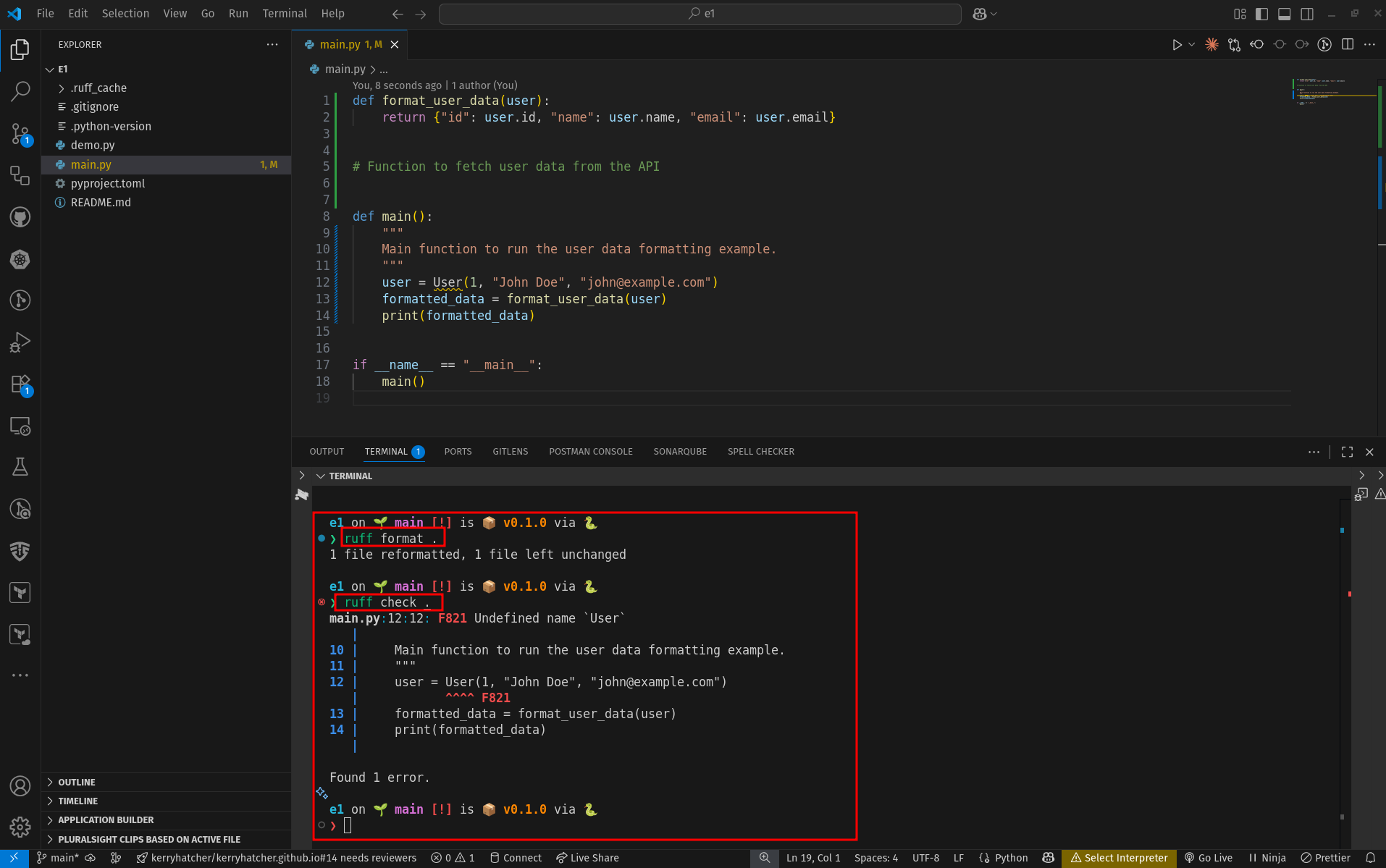
ruff check .
</code></pre><p>The <code>ruff format .</code> command will automatically fix many minor issues in the format and layout of your code. It won't change what it does, just how it looks to us humans. </p><p>When you run <code>ruff check .</code>, you'll get a breakdown of issues, style infractions or potential bugs.</p><ul><li>Review errors manually or prompt Copilot to refine.</li><li>Using Ruff ensures consistency, speed, and reliability.</li></ul><p>Ruff is a must no matter if your code is created by humans or AI.&nbsp;</p><figure class="kg-card kg-image-card"><img src="https://hatchdata.atl1.cdn.digitaloceanspaces.com/hatchdata/www-kerryhatcher-com/2025/09/image-3.png" class="kg-image" alt="" loading="lazy" width="1914" height="1199"></figure><hr><h3 id="5-automate-with-pre-commit-hooks">5. Automate with Pre-Commit Hooks</h3><p>Keep your repository clean automatically by making Ruff a gatekeeper with a&nbsp;<strong>pre-commit hook</strong>:</p><p>Install and activate:</p><pre><code>uv add --dev pre-commit
pre-commit install</code></pre><p>In <code>.pre-commit-config.yaml</code>:</p><pre><code>repos:
  - repo: https://github.com/charliermarsh/ruff-pre-commit
    rev: v0.0.258
    hooks:
      - id: ruff</code></pre><p>Now, Ruff runs before commits, code must pass your linting rules to be committed.</p><hr><h3 id="6-know-the-limits-stay-in-the-loop">6. Know the Limits, Stay in the Loop</h3><p>AI like Copilot is a helpful assistant, <strong><em>not</em></strong> a replacement for critical thinking.</p><ul><li>It can generate <strong>insecure</strong>, <strong>inefficient</strong>, or <strong>outdated</strong> code.</li><li>Always <strong>examine</strong>, <strong>test</strong>, and <strong>review</strong> what Copilot outputs.</li><li>Future episodes will dive into tools like SonarQube for catching deeper logic and security issues.</li></ul><hr><h3 id="7-what%E2%80%99s-next">7. What’s Next?</h3><p>In the upcoming Episode 3, you’ll explore securing your workflow further, introducing automated scanning tools alongside Copilot to catch problems early, whether for security, efficiency, or code quality.</p><hr><h3 id="final-thoughts">Final Thoughts</h3><p>The future of coding isn’t AI replacing you, it’s AI enhancing <em>you</em>. By using tools like Copilot and Ruff together, you’re building a workflow where your assistant is precise, self-checking, and aligned with your standards.</p><p>Share your Copilot + linter setup in the comments! I’d love to hear how you keep your code clean and consistent. Stay curious, stay critical, and happy coding!</p><p>-Kerry</p>]]></content><author><name>Kerry Hatcher</name></author><summary type="html"><![CDATA[Welcome back to the blog, fellow coders! In Episode 2, we’re taking GitHub Copilot, your AI coding sidekick, to the next level by combining it with Ruff, a lightning-fast Python linter and formatter. In the video embedded below, you’ll see how Copilot predicts your code and how Ruff ensures it's clean and consistent, all with minimal effort.If you're following along for the first time, make sure your editor (VS Code) has the GitHub Copilot extension installed and you're signed into your GitHub account. Now let's dive deeper than the video and break down each step, so you can not just follow, but understand every part of the process.1. Setting Up GitHub Copilot in VS CodeWhy install it?Copilot analyzes the context of your open files and your already-typed code to suggest completions that feel like they’re written by you. It’s ghost text that appears as you type, pressing Tab accepts the suggestion or Escape dismisses it.Pro Tip:Use descriptive variable and function names, this clarity improves Copilot’s suggestions, because clean code in, clean code out (its also helpful to humans as well, future you will thank you)2. Guiding Copilot with CommentsAdding a focused comment like:# Write a function that scrapes headlines from a news siteelicits a complete function stub from Copilot, great for scaffolding! Remember this:Keep comments short yet precise.Stubbing out functionality in comments will help you think though your project before you start coding. Comments are just as important for people as they are AI agents. For example:# fetch top news headlines as list of strings3. Introduce Ruff for Code Hygiene💡Ruff's documentation is great. I feel like I learn something new from it all the time. RuffAn extremely fast Python linter and code formatter, written in Rust.logocharliermarshLinting and formatting tools like Ruff are your code’s best friend. Ruff is fast, easy to install, and enforces consistency, and can even catch potential issues Copilot may inadvertently produce.If you are not using UV or don't know what it is, then read this!How to install Ruff:uv add --dev ruffor to install ruff globallyuv tool install ruff you can also install via pip, pipx, and poetry&nbsp;You can make sure Copilot knows to use ruff by using a .copilot-instructions.yml file with:# GitHub Copilot Project Instructions]]></summary></entry><entry><title type="html">Coding with AI - Episode 1: How Real‑Time Collaboration Transforms Your Workflow</title><link href="https://www.kerryhatcher.com/coding-with-ai-how-real-time-collaboration-transforms-your-workflow/" rel="alternate" type="text/html" title="Coding with AI - Episode 1: How Real‑Time Collaboration Transforms Your Workflow" /><published>2025-09-01T18:21:12-05:00</published><updated>2025-09-01T18:21:12-05:00</updated><id>https://www.kerryhatcher.com/coding-with-ai-how-real-time-collaboration-transforms-your-workflow</id><content type="html" xml:base="https://www.kerryhatcher.com/coding-with-ai-how-real-time-collaboration-transforms-your-workflow/"><![CDATA[<h2 id="introduction">Introduction</h2><p>Imagine coding alongside a teammate who’s always alert, never grumpy, and can help brainstorm—or auto-complete—your next idea. That’s <strong>vibe‑coding</strong>: coding in real time with AI as your active, conversational partner. In this episode, we explored how AI shifts from a search tool to a collaborative ally. Now, let’s take a deeper dive into what that means—and how to get the most out of it as a junior dev.</p><hr><figure class="kg-card kg-embed-card"><iframe width="200" height="113" src="https://www.youtube.com/embed/0dpOz061HAM?feature=oembed" frameborder="0" allow="accelerometer; autoplay; clipboard-write; encrypted-media; gyroscope; picture-in-picture; web-share" referrerpolicy="strict-origin-when-cross-origin" allowfullscreen="" title="Coding w/ AI - Part 1 - Overview"></iframe></figure><h2 id="what-is-vibe%E2%80%91coding-really">What Is Vibe‑Coding, Really?</h2><p>At its core, vibe‑coding is about transforming the way you work:</p><ul><li><strong>Instant feedback loop</strong>: Instead of writing code, debugging, and searching forums, AI helps right as you go.</li><li><strong>Rapid idea iteration</strong>: You can explore multiple approaches or tools with less hesitation.</li><li><strong>Knowledge-gap filler</strong>: Need syntax help or unfamiliar APIs? The AI provides answers instantly—and might even expose you to new approaches.</li></ul><div class="kg-card kg-callout-card kg-callout-card-blue"><div class="kg-callout-emoji">🚨</div><div class="kg-callout-text">Vibe-Coding DOES NOT replace knowledge and skill. Don't expect to vibe-code your way into a fine tuned production application. Its a tool, not a replacement for thinking and understanding.</div></div><h2 id="ai-as-teammate%E2%80%94not-a-replace%E2%80%91mate">AI as Teammate—not a Replace‑mate</h2><p>Remember: AI isn’t there to take over your job:</p><ul><li>You still steer the ship—AI's suggestions are just that, <strong>suggestions</strong>.</li><li>It might hallucinate, so always review its output critically.</li><li>Eventually, you'll find yourself engineering prompts as much as writing code.</li></ul><p>This encourages <strong>critical thinking</strong>, reinforcing that you're still the decision‑maker. You’re learning how to ask the <em>right</em> questions—an invaluable skill as you level up.</p><h2 id="where-you%E2%80%99ll-encounter-vibe%E2%80%91coding-tools">Where You’ll Encounter Vibe‑Coding Tools</h2><p>Let's unpack where AI can help in your dev workflow:</p><ol><li><strong>In‑Editor Q&amp;A Sessions</strong><br>Some IDE plugins allow you to ask questions in natural language and get immediate snippets or explanations.</li><li><strong>Agentic, Multi‑Step Workflows</strong><br>The AI can chain tasks: for example, "generate API schema, then scaffold endpoints, then write basic tests".</li><li><strong>Structured Task Automation</strong><br>More advanced workflows might allow end-to-end generation for tasks like testing, documentation, or deployment scripts.</li></ol><p><strong>Editor Autocomplete</strong><br>Tools like GitHub Copilot fill in syntax, boilerplate, or even whole functions as you type.</p><p>This kind of real-time collaboration helps you stay “in the zone”—you don’t disrupt your flow to lookup docs, you experiment faster, and feel that creative spark carry on without friction.</p><h2 id="benefits-you-should-expect">Benefits You Should Expect</h2><ul><li><strong>Focused momentum</strong>: Less context‑switching means deeper concentration.</li><li><strong>Experiment more</strong>: Try ideas you’d have hesitated on before.</li><li><strong>Learn organically</strong>: AI introduces tools or patterns you may not yet know.</li></ul><h2 id="important">Important!</h2><div class="kg-card kg-callout-card kg-callout-card-blue"><div class="kg-callout-emoji">🚨</div><div class="kg-callout-text"><b><strong style="white-space: pre-wrap;">Hallucination risk</strong></b>: Always verify generated code.</div></div><div class="kg-card kg-callout-card kg-callout-card-blue"><div class="kg-callout-emoji">⚠️</div><div class="kg-callout-text"><b><strong style="white-space: pre-wrap;">Garbage in, garbage out</strong></b>: The AI will mimic your existing code.</div></div><div class="kg-card kg-callout-card kg-callout-card-blue"><div class="kg-callout-emoji">💡</div><div class="kg-callout-text"><b><strong style="white-space: pre-wrap;">Clear and Complete Prompts:</strong></b> Give the AI more details and explicit instructions than you would a person. </div></div><h2 id="looking-ahead-what%E2%80%99s-coming-up-in-episode-2">Looking Ahead: What’s Coming Up in Episode 2</h2><p>Next time, we’ll zoom in on <strong>autocomplete in VS Code</strong>—with hands‑on tips and tricks to smooth your vibe‑coding workflow:</p><ul><li>Settings to adjust</li><li>Crafting prompts that produce cleaner, more accurate results</li><li>Structuring comments or code to guide AI suggestions</li></ul><p>Be sure to subscribe in YouTube so you don't miss it!!</p><hr><p>Vibe‑coding is not sci-fi—it’s already here. It’s coding in collaboration: faster idea flow, instant support, and more fun. But to thrive, you stay in control: picky about suggestions, purposeful with your prompts, and always learning.</p><p>Let me know what part of vibe‑coding you're most curious to explore, autocomplete? agentic workflows? prompt‑engineering best practices?</p><p>See you next time!</p><p>-Kerry</p>]]></content><author><name>Kerry Hatcher</name></author><summary type="html"><![CDATA[IntroductionImagine coding alongside a teammate who’s always alert, never grumpy, and can help brainstorm—or auto-complete—your next idea. That’s vibe‑coding: coding in real time with AI as your active, conversational partner. In this episode, we explored how AI shifts from a search tool to a collaborative ally. Now, let’s take a deeper dive into what that means—and how to get the most out of it as a junior dev.What Is Vibe‑Coding, Really?At its core, vibe‑coding is about transforming the way you work:Instant feedback loop: Instead of writing code, debugging, and searching forums, AI helps right as you go.Rapid idea iteration: You can explore multiple approaches or tools with less hesitation.Knowledge-gap filler: Need syntax help or unfamiliar APIs? The AI provides answers instantly—and might even expose you to new approaches.🚨Vibe-Coding DOES NOT replace knowledge and skill. Don't expect to vibe-code your way into a fine tuned production application. Its a tool, not a replacement for thinking and understanding.AI as Teammate—not a Replace‑mateRemember: AI isn’t there to take over your job:You still steer the ship—AI's suggestions are just that, suggestions.It might hallucinate, so always review its output critically.Eventually, you'll find yourself engineering prompts as much as writing code.This encourages critical thinking, reinforcing that you're still the decision‑maker. You’re learning how to ask the right questions—an invaluable skill as you level up.Where You’ll Encounter Vibe‑Coding ToolsLet's unpack where AI can help in your dev workflow:In‑Editor Q&amp;A SessionsSome IDE plugins allow you to ask questions in natural language and get immediate snippets or explanations.Agentic, Multi‑Step WorkflowsThe AI can chain tasks: for example, "generate API schema, then scaffold endpoints, then write basic tests".Structured Task AutomationMore advanced workflows might allow end-to-end generation for tasks like testing, documentation, or deployment scripts.Editor AutocompleteTools like GitHub Copilot fill in syntax, boilerplate, or even whole functions as you type.This kind of real-time collaboration helps you stay “in the zone”—you don’t disrupt your flow to lookup docs, you experiment faster, and feel that creative spark carry on without friction.Benefits You Should ExpectFocused momentum: Less context‑switching means deeper concentration.Experiment more: Try ideas you’d have hesitated on before.Learn organically: AI introduces tools or patterns you may not yet know.Important!🚨Hallucination risk: Always verify generated code.⚠️Garbage in, garbage out: The AI will mimic your existing code.💡Clear and Complete Prompts: Give the AI more details and explicit instructions than you would a person. Looking Ahead: What’s Coming Up in Episode 2Next time, we’ll zoom in on autocomplete in VS Code—with hands‑on tips and tricks to smooth your vibe‑coding workflow:Settings to adjustCrafting prompts that produce cleaner, more accurate resultsStructuring comments or code to guide AI suggestionsBe sure to subscribe in YouTube so you don't miss it!!Vibe‑coding is not sci-fi—it’s already here. It’s coding in collaboration: faster idea flow, instant support, and more fun. But to thrive, you stay in control: picky about suggestions, purposeful with your prompts, and always learning.Let me know what part of vibe‑coding you're most curious to explore, autocomplete? agentic workflows? prompt‑engineering best practices?See you next time!-Kerry]]></summary></entry><entry><title type="html">Yesterday and Tomorrow</title><link href="https://www.kerryhatcher.com/yesterday-and-tomorrow/" rel="alternate" type="text/html" title="Yesterday and Tomorrow" /><published>2025-06-19T17:52:10-05:00</published><updated>2025-06-19T17:52:10-05:00</updated><id>https://www.kerryhatcher.com/yesterday-and-tomorrow</id><content type="html" xml:base="https://www.kerryhatcher.com/yesterday-and-tomorrow/"><![CDATA[<p>Several members of the Board made a last minute attempt to add the items that myself and others have been advocating for. Unfortunately, the vote came down to the same divide as the last board meeting. Eventually, the board passed the budget as proposed.</p><p>While this marks the end of the annual budget process, it also marks the start of the new fiscal and academic year. We need to continue to build momentum in the community, so please plan on attending the monthly board meetings. I'll also continue to post updates on what is happening with the District as well as the Better Schools, Brighter Futures Series that my collaborators and I are working on. </p><p><strong>Please stay tuned!</strong></p><div class="kg-card kg-cta-card kg-cta-bg-grey kg-cta-immersive  kg-cta-has-img  " data-layout="immersive">
            
            <div class="kg-cta-content">
                
                    <div class="kg-cta-image-container">
                        <a href="#/portal/signup/free"><img src="https://www.kerryhatcher.com/content/images/2025/06/576A4865-1-.jpg" alt="CTA Image" data-image-dimensions="1365x768"></a>
                    </div>
                
                
                    <div class="kg-cta-content-inner">
                    
                        <div class="kg-cta-text">
                            <p><span style="white-space: pre-wrap;">My fellow advocates and I stand together ready to work however we can, at every level of the District, to ensure </span><b><strong style="white-space: pre-wrap;">every child</strong></b><span style="white-space: pre-wrap;">, in every school, has what they need to succeed. </span></p><p><span style="white-space: pre-wrap;">Policy disagreements will surely arise as we walk this path—but </span><i><em class="italic" style="white-space: pre-wrap;">walk it together</em></i> <i><b><strong class="italic" style="white-space: pre-wrap;">we shall</strong></b></i><span style="white-space: pre-wrap;">. </span></p><p><i><b><strong class="italic" style="white-space: pre-wrap;">Will you join us? </strong></b></i></p>
                        </div>
                    
                    
                        <a href="#/portal/signup/free" class="kg-cta-button " style="background-color: #000000; color: #ffffff;">
                            Subscribe for updates
                        </a>
                        
                    </div>
                
            </div>
        </div><hr><h1 id="the-meeting">The meeting</h1><p>I edited down the live stream of the meeting. I know its over an hour long (originally 4+ hours long) but its very much worth at least listening to. I've included not only the budget discussion but also parts about a contract for sports equipment that seemed worthwhile to keep in.</p><figure class="kg-card kg-embed-card"><iframe width="200" height="113" src="https://www.youtube.com/embed/xLByYgaYoRk?feature=oembed" frameborder="0" allow="accelerometer; autoplay; clipboard-write; encrypted-media; gyroscope; picture-in-picture; web-share" referrerpolicy="strict-origin-when-cross-origin" allowfullscreen="" title="Bibb County Board of Education Meeting (edited for brevity) - June 18, 2025"></iframe></figure><hr><h1 id="message-to-the-board">Message to the Board</h1><p>Below is the message I sent to the all the members of the Board today:</p><blockquote>Good afternoon Members of the Board,<br><br>Although yesterday's budget vote didn’t go exactly as I had hoped, I want to thank each of you for delivering well-reasoned, impassioned, and articulate arguments on behalf of our district. It may not have been how I imagined celebrating my 40th birthday, but I was honored to stand with you in support of our schools’ mission.<br><br>At the Meet Me at the Mall event, I heard Dr. Sims’s call for parents and community members to meet him halfway, and truly engage. It inspired me to rally my fellow parents and community members. Since then I've striven to challenge everyone to not simply point out what’s wrong; but to bring forward ideas and to roll up our collective sleeves to make things better.<br><br>I’m heartened that several civic organizations have already stepped up, attending meetings these past two days. While my top priority will always be my children and Alex II in the coming school year, I’m fully committed to collaborating with anyone who wants to help our entire district thrive. Since the budget hearing, I’ve received calls and messages from individuals, the Bibb County Democratic Committee, Macon Rising, local media, and other state and local community groups, all eager to lend a hand.<br><br>My fellow advocates and I stand together ready to work however we can, at every level of the District, to ensure<strong> every child</strong>, in every school, has what they need to succeed. Policy disagreements will surely arise as we walk this path—<em>but walk it <u>together</u> <strong>we shall</strong></em>.<br><br>Please do not hesitate to let me know how I can be of service.<br><br>Very respectfully,<br><br><strong>Kerry Hatcher</strong><br></blockquote><hr><p>Contact me on <a href="https://signal.org/?ref=kerryhatcher.com" rel="noreferrer">Signal</a>:  kerryhatcher.03</p><hr>]]></content><author><name>Kerry Hatcher</name></author><category term="#Import 2025-06-30 17:59" /><category term="#Import 2025-07-15 14:46" /><summary type="html"><![CDATA[Several members of the Board made a last minute attempt to add the items that myself and others have been advocating for. Unfortunately, the vote came down to the same divide as the last board meeting. Eventually, the board passed the budget as proposed.While this marks the end of the annual budget process, it also marks the start of the new fiscal and academic year. We need to continue to build momentum in the community, so please plan on attending the monthly board meetings. I'll also continue to post updates on what is happening with the District as well as the Better Schools, Brighter Futures Series that my collaborators and I are working on. Please stay tuned! My fellow advocates and I stand together ready to work however we can, at every level of the District, to ensure every child, in every school, has what they need to succeed. Policy disagreements will surely arise as we walk this path—but walk it together we shall. Will you join us? Subscribe for updates The meetingI edited down the live stream of the meeting. I know its over an hour long (originally 4+ hours long) but its very much worth at least listening to. I've included not only the budget discussion but also parts about a contract for sports equipment that seemed worthwhile to keep in.Message to the BoardBelow is the message I sent to the all the members of the Board today:Good afternoon Members of the Board,Although yesterday's budget vote didn’t go exactly as I had hoped, I want to thank each of you for delivering well-reasoned, impassioned, and articulate arguments on behalf of our district. It may not have been how I imagined celebrating my 40th birthday, but I was honored to stand with you in support of our schools’ mission.At the Meet Me at the Mall event, I heard Dr. Sims’s call for parents and community members to meet him halfway, and truly engage. It inspired me to rally my fellow parents and community members. Since then I've striven to challenge everyone to not simply point out what’s wrong; but to bring forward ideas and to roll up our collective sleeves to make things better.I’m heartened that several civic organizations have already stepped up, attending meetings these past two days. While my top priority will always be my children and Alex II in the coming school year, I’m fully committed to collaborating with anyone who wants to help our entire district thrive. Since the budget hearing, I’ve received calls and messages from individuals, the Bibb County Democratic Committee, Macon Rising, local media, and other state and local community groups, all eager to lend a hand.My fellow advocates and I stand together ready to work however we can, at every level of the District, to ensure every child, in every school, has what they need to succeed. Policy disagreements will surely arise as we walk this path—but walk it together we shall.Please do not hesitate to let me know how I can be of service.Very respectfully,Kerry HatcherContact me on Signal: kerryhatcher.03]]></summary></entry><entry><title type="html">No Kings Protest</title><link href="https://www.kerryhatcher.com/no-kings-protest/" rel="alternate" type="text/html" title="No Kings Protest" /><published>2025-06-14T15:11:04-05:00</published><updated>2025-06-14T15:11:04-05:00</updated><id>https://www.kerryhatcher.com/no-kings-protest</id><content type="html" xml:base="https://www.kerryhatcher.com/no-kings-protest/"><![CDATA[<figure class="kg-card kg-gallery-card kg-width-wide"><div class="kg-gallery-container"><div class="kg-gallery-row"><div class="kg-gallery-image"><img src="https://hatchdata.atl1.cdn.digitaloceanspaces.com/hatchdata/www-kerryhatcher-com/images/2025/06/576A7086.jpeg" width="3119" height="4679" loading="lazy" alt=""></div><div class="kg-gallery-image"><img src="https://hatchdata.atl1.cdn.digitaloceanspaces.com/hatchdata/www-kerryhatcher-com/images/2025/06/576A7080.jpeg" width="3648" height="5472" loading="lazy" alt=""></div><div class="kg-gallery-image"><img src="https://hatchdata.atl1.cdn.digitaloceanspaces.com/hatchdata/www-kerryhatcher-com/images/2025/06/576A7090.jpeg" width="3677" height="2451" loading="lazy" alt=""></div></div><div class="kg-gallery-row"><div class="kg-gallery-image"><img src="https://hatchdata.atl1.cdn.digitaloceanspaces.com/hatchdata/www-kerryhatcher-com/images/2025/06/576A7091.jpeg" width="2945" height="4417" loading="lazy" alt=""></div><div class="kg-gallery-image"><img src="https://hatchdata.atl1.cdn.digitaloceanspaces.com/hatchdata/www-kerryhatcher-com/images/2025/06/576A7095.jpeg" width="2811" height="4217" loading="lazy" alt=""></div><div class="kg-gallery-image"><img src="https://hatchdata.atl1.cdn.digitaloceanspaces.com/hatchdata/www-kerryhatcher-com/images/2025/06/576A7085.jpeg" width="2596" height="3894" loading="lazy" alt=""></div></div><div class="kg-gallery-row"><div class="kg-gallery-image"><img src="https://hatchdata.atl1.cdn.digitaloceanspaces.com/hatchdata/www-kerryhatcher-com/images/2025/06/576A7082.jpeg" width="2727" height="4091" loading="lazy" alt=""></div><div class="kg-gallery-image"><img src="https://hatchdata.atl1.cdn.digitaloceanspaces.com/hatchdata/www-kerryhatcher-com/images/2025/06/576A7078.jpeg" width="2821" height="4231" loading="lazy" alt=""></div></div></div></figure>]]></content><author><name>Kerry Hatcher</name></author><category term="#Import 2025-06-30 17:59" /><category term="#Import 2025-07-15 14:46" /><summary type="html"><![CDATA[]]></summary></entry><entry><title type="html">Digital Privacy and Freedoms Are Under Threat</title><link href="https://www.kerryhatcher.com/digital-privacy-and-freedoms-are-under-threat/" rel="alternate" type="text/html" title="Digital Privacy and Freedoms Are Under Threat" /><published>2025-06-13T11:35:47-05:00</published><updated>2025-06-13T11:35:47-05:00</updated><id>https://www.kerryhatcher.com/digital-privacy-and-freedoms-are-under-threat</id><content type="html" xml:base="https://www.kerryhatcher.com/digital-privacy-and-freedoms-are-under-threat/"><![CDATA[<p></p><h2 id="tldr">TL;DR:</h2><p>A new bill in Congress, the STOP CSAM Act of 2025 (S.1829), aims to tackle child exploitation online, <strong>a goal we all support</strong>. But in the process, it threatens to dismantle key digital protections that keep all of us safe: encryption, free speech, and privacy. The Electronic Frontier Foundation (EFF), a trusted champion of digital rights, is sounding the alarm. We should all be listening.</p><figure class="kg-card kg-bookmark-card kg-card-hascaption"><a class="kg-bookmark-container" href="https://www.eff.org/deeplinks/2025/06/oppose-stop-csam-protecting-kids-shouldnt-mean-breaking-tools-keep-us-safe?ref=kerryhatcher.com"><div class="kg-bookmark-content"><div class="kg-bookmark-title">Oppose STOP CSAM: Protecting Kids Shouldn’t Mean Breaking the Tools That Keep Us Safe</div><div class="kg-bookmark-description">A Senate bill re-introduced this week threatens security and free speech on the internet. EFF urges Congress to reject the STOP CSAM Act of 2025 (S. 1829), which would undermine services offering end-to-end encryption and force internet companies to take down lawful user content. TAKE ACTIONTell…</div><div class="kg-bookmark-metadata"><img class="kg-bookmark-icon" src="https://hatchdata.atl1.cdn.digitaloceanspaces.com/hatchdata/www-kerryhatcher-com/images/icon/apple-touch-icon-precomposed-114x114.png" alt=""><span class="kg-bookmark-author">Electronic Frontier Foundation</span><span class="kg-bookmark-publisher">India McKinney</span></div></div><div class="kg-bookmark-thumbnail"><img src="https://hatchdata.atl1.cdn.digitaloceanspaces.com/hatchdata/www-kerryhatcher-com/images/thumbnail/keys-crossed-pink-starburst_0.png" alt="" onerror="this.style.display = 'none'"></div></a><figcaption><p><span style="white-space: pre-wrap;">Read the message from the EFF</span></p></figcaption></figure><h2 id="what-is-the-stop-csam-act">What Is the STOP CSAM Act?</h2><p>On its face, the STOP CSAM Act sounds like common-sense legislation: protect children, punish predators, and help victims. No reasonable person opposes that mission. But buried in the bill are provisions that could radically expand government and corporate power over the internet, in ways that weaken encryption and open the door to surveillance and censorship.</p><h3 id="this-bill-would"><strong>This bill would:</strong></h3><ul><li>Undermine encrypted services by creating liability for tech providers that offer end-to-end encryption, pushing companies to create backdoors.</li><li>Force take downs of lawful content based on vague accusations, turning platforms into over-cautious moderators or outright censors.</li><li>Expose private communications and user data to government and corporate scrutiny, even if no crime has been committed.</li></ul><p>If you’ve ever relied on encrypted messaging, cloud backups, or privacy tools — this bill impacts you.</p><figure class="kg-card kg-bookmark-card"><a class="kg-bookmark-container" href="https://proton.me/blog/encryption-backdoor?ref=kerryhatcher.com"><div class="kg-bookmark-content"><div class="kg-bookmark-title">The real problem with encryption backdoors | Proton</div><div class="kg-bookmark-description">With appeals to “national security,” governments around the world are pushing for encryption backdoors that would allow them to break into the secure data of suspected criminals. Simply put, this is a terrible idea.</div><div class="kg-bookmark-metadata"><img class="kg-bookmark-icon" src="https://hatchdata.atl1.cdn.digitaloceanspaces.com/hatchdata/www-kerryhatcher-com/images/icon/apple-touch-icon-10.png" alt=""><span class="kg-bookmark-author">Proton</span><span class="kg-bookmark-publisher">Ben Wolford</span></div></div><div class="kg-bookmark-thumbnail"><img src="https://hatchdata.atl1.cdn.digitaloceanspaces.com/hatchdata/www-kerryhatcher-com/images/thumbnail/image-transformation" alt="" onerror="this.style.display = 'none'"></div></a></figure><h2 id="why-it-matters-even-if-you%E2%80%99re-not-a-techie"><strong>Why It Matters (Even If You’re Not a Techie)</strong></h2><p>Imagine a world where your private messages, health records, or stored files are only “private” until someone in power says otherwise. This bill threatens to make that world a reality. The moment we allow backdoors into encryption “just for the good guys,” we also give the keys to hackers, foreign governments, and abusive regimes.</p><blockquote class="kg-blockquote-alt"><strong><em>Encryption works because it’s absolute. Either everyone is protected, or no one is.</em></strong></blockquote><figure class="kg-card kg-image-card"><a href="https://www.wsj.com/tech/cybersecurity/u-s-wiretap-systems-targeted-in-china-linked-hack-327fc63b?ref=kerryhatcher.com"><img src="https://hatchdata.atl1.cdn.digitaloceanspaces.com/hatchdata/www-kerryhatcher-com/images/2025/06/image-3.png" class="kg-image" alt="" loading="lazy" width="605" height="292"></a></figure><h2 id="the-eff-is-taking-a-stand-and-so-should-we"><strong>The EFF Is Taking a Stand And So Should We</strong><br></h2><p>The Electronic Frontier Foundation (EFF), founded in 1990, is one of the most principled and consistent defenders of digital rights in the world. They’ve fought for your online privacy, freedom of speech, and the right to use strong encryption for over three decades.</p><p>In their <a href="https://www.eff.org/deeplinks/2025/06/oppose-stop-csam-protecting-kids-shouldnt-mean-breaking-tools-keep-us-safe?ref=kerryhatcher.com"><u>recent article</u></a>, the EFF lays out the problem with the STOP CSAM Act clearly: it would break the tools that keep us safe, while offering no meaningful improvement to child safety. The result? More surveillance, less privacy, and a dangerous precedent.</p><h2 id="good-intentions-terrible-consequences">Good Intentions, Terrible Consequences<br></h2><p>As a parent, I believe strongly in protecting children. But government overreach, especially when it comes to surveillance and private communications, is never the answer. The road to tyranny is often paved with noble-sounding laws.</p><p>The STOP CSAM Act gives both the government and private corporations the ability to sidestep encryption and hold service providers liable for not monitoring users closely enough. That’s a recipe for abuse. Today it’s child safety. Tomorrow it’s political speech, protest coordination, or encrypted journalism.</p><h2 id="current-status">Current Status</h2><p>As of today, the <strong>STOP CSAM Act of 2025 (S. 1829)</strong> is <strong>still in the early stages</strong> of the legislative process:</p><ul><li><a href="https://www.congress.gov/bill/119th-congress/senate-bill/1829?ref=kerryhatcher.com" rel="noreferrer"><strong>Introduced in the Senate</strong></a>­ by <strong>Senator Josh Hawley (R-MO)</strong>, alongside cosponsors including<strong> Sen. Dick Durbin (D-IL),</strong> on <strong>May 21, 2025</strong>. It has been <strong>read twice</strong> and <strong>referred to the Senate Judiciary Committee</strong>. </li><li><strong>No further progress </strong>such as committee hearings, markup, amendment, or a vote, has occurred <strong>yet.</strong></li><li>It is <strong>awaiting consideration</strong> by the Senate Judiciary Committee, which will determine if it advances to a full Senate vote.</li><li>It's the <strong>critical window</strong> to influence its trajectory: during Senate Judiciary review.</li><li><strong>Congressional outreach</strong> now can shape amendments or halt dangerous provisions.</li><li>The lack of a companion House bill means advocates can also reach out to House leadership to <strong>prevent parallel legislation</strong>.</li></ul><h2 id="how-you-can-help-contact-your-representatives"><strong>How You Can Help: Contact Your Representatives</strong></h2><p></p><p>Tell your Senators and Representatives: <strong>Do not support S.1829.</strong></p><p><strong>Here’s how:</strong></p><h3 id="%F0%9F%94%8D-step-1-find-your-lawmakers"><strong>🔍 Step 1: Find your lawmakers</strong></h3><p><br>Visit <a href="https://www.congress.gov/members?ref=kerryhatcher.com"><u>https://www.congress.gov/members</u></a> or <a href="https://www.commoncause.org/find-your-representative/?ref=kerryhatcher.com"><u>https://www.commoncause.org/find-your-representative/</u></a><br></p><h3 id="%E2%9C%89%EF%B8%8F-step-2-call-or-send-a-message"><strong>✉️ Step 2: Call or send a message</strong></h3><p></p><p><strong><em>You can use this sample message:</em></strong><br></p><blockquote>Hello,<strong> [consider making this a formal greeting if writing]</strong></blockquote><blockquote>I’m a constituent writing to express my strong opposition to the STOP CSAM Act of 2025 (S.1829). While I fully support efforts to protect children, this bill poses a serious threat to encryption, privacy, and free speech. It could force companies to weaken security for all users and opens the door to censorship and surveillance.</blockquote><blockquote><strong><em>Please oppose this bill and stand up for digital freedoms and privacy.</em></strong></blockquote><blockquote>Thank you,</blockquote><blockquote>[Your Name]</blockquote><hr><h2 id="want-to-do-more-support-the-eff"><strong>Want to Do More? Support the EFF</strong></h2><p>You can:</p><ul><li>Follow the EFF on <a href="https://twitter.com/eff?ref=kerryhatcher.com"><u>Twitter</u></a> and <a href="https://facebook.com/eff"><u>Facebook</u></a></li><li>Donate to their work at <a href="https://supporters.eff.org/donate?ref=kerryhatcher.com"><u>https://supporters.eff.org/donate</u></a></li><li>Share their action page and educate others: <a href="https://www.eff.org/deeplinks/2025/06/oppose-stop-csam-protecting-kids-shouldnt-mean-breaking-tools-keep-us-safe?ref=kerryhatcher.com"><u>EFF’s Campaign Against STOP CSAM</u></a></li></ul><hr><hr><p></p><div class="kg-card kg-header-card kg-v2 kg-layout-split kg-width-full " style="background-color: #000000;" data-background-color="#000000">
            
            <div class="kg-header-card-content">
                
            <picture><img class="kg-header-card-image" src="https://hatchdata.atl1.cdn.digitaloceanspaces.com/hatchdata/www-kerryhatcher-com/images/2025/06/flyd-mT7lXZPjk7U-unsplash.jpg" loading="lazy" alt=""></picture>
        
                <div class="kg-header-card-text kg-align-center">
                    <h2 id="a-very-deep-dive" class="kg-header-card-heading" style="color: #FFFFFF;" data-text-color="#FFFFFF"><span style="white-space: pre-wrap;">A very deep dive</span></h2>
                    <p id="read-on-if-you-want-to-join-me-deep-in-the-weeds-" class="kg-header-card-subheading" style="color: #FFFFFF;" data-text-color="#FFFFFF"><span style="white-space: pre-wrap;">read on if you want to join me deep in the weeds… </span></p>
                    
                </div>
            </div>
        </div><h2 id="encryption-and-privacy-under-the-stop-csam-act-of-2025"><strong>Encryption and Privacy Under the STOP CSAM Act of 2025</strong></h2><figure class="kg-card kg-image-card kg-card-hascaption"><img src="https://hatchdata.atl1.cdn.digitaloceanspaces.com/hatchdata/www-kerryhatcher-com/images/2025/06/Infographic---Understanding-U.S.-First-Amendment-Rights-Today-2-.png" class="kg-image" alt="" loading="lazy" width="1200" height="500"><figcaption><span style="white-space: pre-wrap;">Background photo by </span><a href="https://unsplash.com/@sammannfilms?utm_content=creditCopyText&utm_medium=referral&utm_source=unsplash"><span style="white-space: pre-wrap;">Sam Mann</span></a><span style="white-space: pre-wrap;"> on </span><a href="https://unsplash.com/photos/a-group-of-police-officers-standing-around-a-man-on-the-ground-QYKTuMXHNI8?utm_content=creditCopyText&utm_medium=referral&utm_source=unsplash"><span style="white-space: pre-wrap;">Unsplash</span></a><span style="white-space: pre-wrap;"> | Lock graphic added</span></figcaption></figure><p>The CSAM Act enables the government to gain access to the keys of your digital safe. They will get to decided what and when they are can access, not you. </p><figure class="kg-card kg-bookmark-card"><a class="kg-bookmark-container" href="https://www.aclu.org/news/privacy-technology/the-vital-role-of-end-to-end-encryption?ref=kerryhatcher.com"><div class="kg-bookmark-content"><div class="kg-bookmark-title">The Vital Role of End-to-End Encryption | ACLU</div><div class="kg-bookmark-description">In this golden age for surveillance, encryption technology is crucial.</div><div class="kg-bookmark-metadata"><img class="kg-bookmark-icon" src="https://hatchdata.atl1.cdn.digitaloceanspaces.com/hatchdata/www-kerryhatcher-com/images/icon/apple-touch-icon.png@2x-300x300-5.png" alt=""><span class="kg-bookmark-author">American Civil Liberties Union</span><span class="kg-bookmark-publisher">Jennifer Stisa Granick, Daniel Kahn Gillmor</span></div></div><div class="kg-bookmark-thumbnail"><img src="https://hatchdata.atl1.cdn.digitaloceanspaces.com/hatchdata/www-kerryhatcher-com/images/thumbnail/person-holding-phone-apple-logo-s-5.jpg" alt="" onerror="this.style.display = 'none'"></div></a></figure><h3 id="end-to-end-encryption-a-cornerstone-of-privacy-and-security"><strong>End-to-End Encryption: A Cornerstone of Privacy and Security</strong></h3><p></p><p>End-to-end encryption (E2EE) is a method of secure communication that ensures only the sender and intended recipient can read the contents, not even the service provider or government. In practice, this means data is encrypted on a user’s device and only decrypted on the recipient’s device, with no intermediate party holding the keys. This provides the <strong>“best protection” for personal data</strong>, shielding it from hackers, companies, and surveillance . Apps like Signal and features like Apple’s iCloud Advanced Data Protection, rely on E2EE so that messages, backups, and calls stay confidential. Strong encryption protects individuals from cyberattacks and also empowers free expression, people can communicate without fear of eavesdropping, censorship, or warrant-less monitoring . In short, if encryption is weakened, everyone’s privacy and security is weakened; if it remains strong, it safeguards not only personal chats but also<strong> journalism, activism, attorney-client communications</strong>, and other sensitive exchanges fundamental to a free society.</p><h2 id="what-is-csam-scanning-and-how-does-it-work">What is CSAM Scanning and How Does It Work?</h2><p></p><p>CSAM scanning refers to automated systems that scan user content for known Child Sexual Abuse Material (CSAM). This can happen on cloud platforms (e.g. Google or Apple scanning photos uploaded to servers) or even on end-user devices (“client-side scanning”). These systems typically use databases of hashes (digital fingerprints) of known illegal images and compare them to user files. For example, <a href="https://www.aclu.org/news/privacy-technology/the-vital-role-of-end-to-end-encryption?ref=kerryhatcher.com" rel="noreferrer">Apple in 2021 announced a plan</a> to have iPhones scan photos before upload and alert Apple if a certain number of CSAM matches were found . The goal is to catch criminals, but implementing this means that every photo or message would be automatically inspected by algorithms. To work around encryption, such scanning often happens at the device endpoint (before data is encrypted or after it’s decrypted on arrival). Critics note that this essentially turns a personal device into a surveillance scanner: even innocent private content gets analyzed. Signal’s president Meredith Whittaker warned that client-side scanning would “turn everyone’s phone into a mass surveillance device that phones home to tech corporations and governments”, fundamentally undermining user privacy . The implications are serious: if mandated, CSAM scanning would end the notion of true private storage or communications, since an automated watchdog is always peering into your data.</p><h3 id="unintended-consequences-of-scanning-false-flags-and-broken-lives"><strong>Unintended Consequences of Scanning: False Flags and Broken Lives</strong></h3><p></p><p>While the intent of CSAM detection is to protect children, real-world cases show how these systems can misfire with harmful results. One striking example is Google’s false flag of a father’s account in 2022. A man in San Francisco took photos of his toddler’s infected groin area to consult a doctor – an innocent act of parenting. But because his Android phone auto-backed up images to Google Photos, Google’s automated filters flagged the medical images as CSAM . Without context, the system saw “child’s groin photo” and sounded the alarm. Google shut down the man’s Gmail and other services, and even filed a report to the authorities. The account remained disabled, and the man (initially treated as a potential criminal) faced a police investigation until it was proven he did nothing wrong . Google later refused to reinstate his account, branding his content as a severe policy violation. Privacy experts call this an “inevitable pitfall” of trying to solve a complex social problem with automation . No algorithm can understand context. As a result, an family’s life was upended – important emails, photos and digital life locked away – due to a false positive. This case underscores how even well-intentioned scanning can punish innocent users, illustrating the collateral damage when private data is subject to constant surveillance. It’s a sobering warning that “the machinery” of automated scanning and human reviewers can make grave mistakes , and those errors can devastate peoples’ lives.</p><figure class="kg-card kg-bookmark-card"><a class="kg-bookmark-container" href="https://www.theguardian.com/technology/2022/aug/22/google-csam-account-blocked?ref=kerryhatcher.com"><div class="kg-bookmark-content"><div class="kg-bookmark-title">Google refuses to reinstate man’s account after he took medical images of son’s groin</div><div class="kg-bookmark-description">Experts say case highlights dangers of automated detection of child sexual abuse images</div><div class="kg-bookmark-metadata"><img class="kg-bookmark-icon" src="https://hatchdata.atl1.cdn.digitaloceanspaces.com/hatchdata/www-kerryhatcher-com/images/icon/apple-touch-icon-512-2.png" alt=""><span class="kg-bookmark-author">The Guardian</span><span class="kg-bookmark-publisher">Johana Bhuiyan</span></div></div><div class="kg-bookmark-thumbnail"><img src="https://hatchdata.atl1.cdn.digitaloceanspaces.com/hatchdata/www-kerryhatcher-com/images/thumbnail/4500.jpg" alt="" onerror="this.style.display = 'none'"></div></a></figure><h3 id="the-slippery-slope-from-csam-scanning-to-mass-surveillance"><strong>The Slippery Slope: From CSAM Scanning to Mass Surveillance</strong></h3><figure class="kg-card kg-bookmark-card"><a class="kg-bookmark-container" href="https://freedomhouse.org/article/russia-telegram-block-leads-widespread-assault-freedom-expression-online?ref=kerryhatcher.com"><div class="kg-bookmark-content"><div class="kg-bookmark-title">Russia: Telegram block leads to widespread assault on freedom of expression online</div><div class="kg-bookmark-description">International human rights, media, and Internet freedom organizations urge Russia and various intergovernmental organizations to redress Russia’s freedom of expression and privacy violations online and offline.</div><div class="kg-bookmark-metadata"><img class="kg-bookmark-icon" src="https://hatchdata.atl1.cdn.digitaloceanspaces.com/hatchdata/www-kerryhatcher-com/images/icon/favicon-5.ico" alt=""><span class="kg-bookmark-author">Freedom House</span><span class="kg-bookmark-publisher">Freedom House</span></div></div><div class="kg-bookmark-thumbnail"><img src="https://hatchdata.atl1.cdn.digitaloceanspaces.com/hatchdata/www-kerryhatcher-com/images/thumbnail/SHARABLE-FH.png" alt="" onerror="this.style.display = 'none'"></div></a></figure><p>A critical concern with mandated scanning systems is the “slippery slope” – once the capability exists to scan everyone’s communications for CSAM, what stops it from being repurposed? Technology built into our devices to scan for one category of illegal content can easily be redirected to scan for other material. Privacy advocates warn that a backdoor or client-side scanner for CSAM would create a new form of surveillance . If companies like Apple or Google can scan files on your device, governments could compel them to search for other content. Indeed, the American Civil Liberties Union cautioned that if Apple had built its 2021 client-side scanning system, authorities could demand it be used to detect political or religious content: images “that politicians find objectionable” or that “praise opposition parties, mock political leaders… or circumvent government censorship” . In other words, a system intended to shield children could be twisted into a general tool for censorship and political repression. This isn’t hypothetical – it’s a well-documented pattern in digital surveillance. Once a monitoring mechanism exists, the list of targets tends to expand. Today it’s CSAM; tomorrow, it could be drug content, hate speech, copyrighted media, or dissident speech – all scanned automatically under government mandate. Such mission creep is why cybersecurity experts call these proposals dangerous. As Signal’s president put it, it’s “magical thinking” to believe you can have a backdoor that “only works for the good guys” – any weakness in encryption or any scanning system will eventually be exploited for broader surveillance . This is how a purported child-safety measure can pave the way for a full-fledged mass surveillance regime monitoring everyday citizens.</p><h2 id="lessons-from-the-uk-how-anti-encryption-laws-backfire-globally"><strong>Lessons from the UK: How Anti-Encryption Laws Backfire Globally</strong></h2><p></p><p>We don’t have to speculate about these risks – recent events in the UK provide a cautionary tale. The United Kingdom’s Online Safety Bill and related efforts included provisions that could require messaging platforms to remove encryption or implement scanning to combat CSAM. In fact, earlier this year the UK government issued a secret order under the Investigatory Powers Act forcing Apple to disable certain security features . Specifically, Apple was pressured to backdoor its new end-to-end encryption for iCloud backups (the “Advanced Data Protection” feature). Rather than comply, Apple chose to pull that feature for UK customers, reducing security for millions of users . Digital rights groups were alarmed. Amnesty International called the UK order an “alarming overreach” – not only would it let UK authorities pry into people’s private data, it would also undermine the privacy of users worldwide (since a backdoor for one country is a backdoor for all) . As Amnesty and Human Rights Watch noted, “access to device backups is access to your entire phone,” and strong encryption is vital to prevent such intrusive access . In other words, the UK essentially tried to compel a weakness in Apple’s encryption, threatening the privacy rights of users far beyond its borders . The backlash has been intense: technologists and even U.S. lawmakers warned that forcing encryption backdoors in the UK would create “systemic vulnerabilities” exploitable by criminals and governments worldwide. Signal flatly stated they would refuse to weaken their encryption – even if it meant pulling out of the UK market – because doing so would endanger all their users globally . The UK example shows that anti-encryption laws don’t just impact one country; they send a ripple effect through the tech ecosystem, jeopardizing the security tools that people around the world rely on.</p><h2 id="privacy-focused-apps-under-threat-signal-and-the-sanctity-of-secure-chats"><strong>Privacy-Focused Apps Under Threat: Signal and the Sanctity of Secure Chats</strong></h2><p></p><p>Encrypted messaging apps like Signal are built around a simple promise: no one but you and the intended recipient can ever access your messages. This promise is not just a feature but the very core of their service. For instance, Signal does not even keep cloud backups or metadata accessible to the company – it’s designed so that if law enforcement asks Signal for your messages, Signal cannot provide them (because it literally has no access). Laws like the STOP CSAM Act of 2025 directly attack this model. The bill would create new criminal and civil liabilities for platforms that “promote or facilitate” child exploitation or fail to remove CSAM . Crucially, it’s written so broadly that even an encrypted service that unknowingly hosts illegal images (which it cannot see) could be found liable . In practice, this means an end-to-end encrypted app is at risk simply for being encrypted – because it’s unable to monitor content, prosecutors might argue it’s turning a blind eye or “recklessly” facilitating abuse . The STOP CSAM Act offers an “affirmative defense” if a provider can prove it was technologically impossible to remove the CSAM without breaking encryption . But this flips the burden onto the service: they must fight costly legal battles and somehow prove a negative (that they truly couldn’t have done more), which many smaller companies can’t afford . The end result is that apps like Signal face an impossible choice: either weaken their encryption to scan user content (undermining their fundamental promise), or risk constant lawsuits and even criminal charges. Signal’s leadership has been adamant that they will do the latter – they would exit any market or face punishment rather than build a backdoor. “We will not walk back, adulterate, or otherwise perturb the robust privacy and security guarantees that people depend on,” said Signal’s president, emphasizing that they refuse to undermine encryption even under legal pressure . STOP CSAM, however, threatens to make such apps effectively illegal unless they betray their privacy principles. This would be a devastating blow to global privacy: <strong>millions of activists, journalists, lawyers, and ordinary citizens</strong> rely on these tools. <strong><em>Breaking Signal’s encryption “for the children” would break it for everyone,</em></strong> destroying a vital refuge of secure communication in a world where data surveillance is the norm.</p><figure class="kg-card kg-bookmark-card"><a class="kg-bookmark-container" href="https://www.theguardian.com/technology/2023/feb/24/signal-app-warns-it-will-quit-uk-if-law-weakens-end-to-end-encryption?ref=kerryhatcher.com"><div class="kg-bookmark-content"><div class="kg-bookmark-title">Signal app warns it will quit UK if law weakens end-to-end encryption</div><div class="kg-bookmark-description">Boss of messaging app says users’ trust at risk from powers in online safety bill to impose monitoring</div><div class="kg-bookmark-metadata"><img class="kg-bookmark-icon" src="https://hatchdata.atl1.cdn.digitaloceanspaces.com/hatchdata/www-kerryhatcher-com/images/icon/apple-touch-icon-512-1.png" alt=""><span class="kg-bookmark-author">The Guardian</span><span class="kg-bookmark-publisher">Dan Milmo</span></div></div><div class="kg-bookmark-thumbnail"><img src="https://hatchdata.atl1.cdn.digitaloceanspaces.com/hatchdata/www-kerryhatcher-com/images/thumbnail/3228-1.jpg" alt="" onerror="this.style.display = 'none'"></div></a></figure><h2 id="authoritarian-parallels-surveillance-tech-and-suppression-of-dissent"><strong>Authoritarian Parallels: Surveillance Tech and Suppression of Dissent</strong></h2><figure class="kg-card kg-embed-card"><iframe width="200" height="113" src="https://www.youtube.com/embed/nRPjLEBn2j0?feature=oembed" frameborder="0" allow="accelerometer; autoplay; clipboard-write; encrypted-media; gyroscope; picture-in-picture; web-share" referrerpolicy="strict-origin-when-cross-origin" allowfullscreen="" title="The Global Shadow of Uzbekistani Surveillance"></iframe></figure><p><br>It is worth noting that the kind of surveillance infrastructure being debated in democracies under the banner of CSAM prevention is strikingly similar to tactics used by authoritarian regimes. In countries like China and Russia, government authorities routinely demand access to private communications in the name of security or public order.<a href="https://carnegieendowment.org/posts/2021/03/the-encryption-debate-in-china-2021-update?lang=en&ref=kerryhatcher.com" rel="noreferrer"> China, for instance, has long required tech companies to maintain encryption backdoors or key escrow so that the state can decrypt any data it wants</a>. This “secure and controllable” mandate ensures that no conversation is truly private from the government’s eyes. Russia has implemented laws (<a href="https://www.globalprivacyblog.com/2016/07/yarovaya-law-new-data-retention-obligations-for-telecom-providers-and-arrangers-in-russia/?ref=kerryhatcher.com" rel="noreferrer">like the Yarovaya law</a>) compelling providers to hand over encryption keys, and it has attempted to ban services that refuse (such as when Telegram declined to enable government access). These regimes provide a chilling preview of a world with weakened encryption: widespread surveillance of citizens’ communications, and the use of that surveillance to crush dissent. Indeed, repressive governments eagerly exploit encryption weaknesses to target their critics. If given a “master key” or built-in scanner, they will use it to persecute journalists, opposition figures, lawyers, minority groups – anyone deemed a threat to the regime . The STOP CSAM Act’s scanning mandates and backdoor pressures could create tools that authoritarian states would love to get their hands on. As one secure email provider noted, even liberal democracies have abused surveillance powers, so imagine what China or Russia would do with a mandate for encryption backdoors . By normalizing the defeat of encryption, we also normalize the practices of digital dictatorships. This is why the head of WhatsApp warned that if a democracy like the UK undermines encryption, “governments around the world [especially where democracy is weaker] will do exactly the same thing.” In effect, adopting laws like STOP CSAM (or its UK/EU equivalents) risks handing a playbook to authoritarian regimes: they can cite “child protection” as precedent to demand the same or go even further. The endgame looks a lot like Orwell’s worst nightmares – a world where private discourse is dead, and every message is subject to potential monitoring by the state.</p><figure class="kg-card kg-bookmark-card"><a class="kg-bookmark-container" href="https://www.hrw.org/news/2022/12/08/greece-problematic-surveillance-bill?ref=kerryhatcher.com"><div class="kg-bookmark-content"><div class="kg-bookmark-title">Greece: Problematic Surveillance Bill</div><div class="kg-bookmark-description">Greece’s lawmakers are considering a draft surveillance law that lacks effective privacy and human rights safeguards, Human Rights Watch said today.</div><div class="kg-bookmark-metadata"><img class="kg-bookmark-icon" src="https://hatchdata.atl1.cdn.digitaloceanspaces.com/hatchdata/www-kerryhatcher-com/images/icon/favicon-1.ico" alt=""><span class="kg-bookmark-author">Human Rights Watch</span></div></div><div class="kg-bookmark-thumbnail"><img src="https://hatchdata.atl1.cdn.digitaloceanspaces.com/hatchdata/www-kerryhatcher-com/images/thumbnail/202212eca_Greece_Surveillance.jpg" alt="" onerror="this.style.display = 'none'"></div></a></figure><figure class="kg-card kg-image-card"><a href="https://www.amnesty.org/en/documents/pol40/3682/2016/en/?ref=kerryhatcher.com"><img src="https://hatchdata.atl1.cdn.digitaloceanspaces.com/hatchdata/www-kerryhatcher-com/images/2025/06/Infographic---Understanding-U.S.-First-Amendment-Rights-Today-5-.png" class="kg-image" alt="" loading="lazy" width="1200" height="500"></a></figure><h2 id="conclusion-balancing-safety-and-freedom"><strong>Conclusion: Balancing Safety and Freedom</strong></h2><p><br>Protecting children online is vitally important, but breaking encryption and mandating mass scanning<strong><em> is a cure worse than the disease</em></strong>. End-to-end encryption is not a loophole for criminals –<strong> it’s a fundamental safeguard for everyone’s security</strong>, from the vulnerable individual to national security as a whole. Client-side scanning and <strong><em>backdoors</em></strong>, as promoted by the STOP CSAM Act of 2025, would force a betrayal of that security and open the door to pervasive surveillance and abuse. The advanced implications discussed – false positives ruining innocent lives, mission creep toward political surveillance, global tech companies withdrawing services, and authoritarian-style monitoring, demonstrate that the stakes couldn’t be higher. Once we lose truly private, secure communication, we lose a cornerstone of democracy and personal freedom. </p><p>Lawmakers must carefully weigh these consequences. The experiences of big tech companies, activists, and even other countries all point to the same truth: <strong><em>we can fight child abuse without abolishing digital privacy. </em></strong>In crafting solutions, it’s critical to uphold the encryption and privacy protections that keep us all safe, because a world without places to speak freely and securely is a world that is dangerous in ways we cannot afford to ignore.</p><p></p><hr><h2 id="further-reading">Further reading</h2><p></p><figure class="kg-card kg-image-card"><a href="https://www.congress.gov/crs-product/IF12798?ref=kerryhatcher.com"><img src="https://hatchdata.atl1.cdn.digitaloceanspaces.com/hatchdata/www-kerryhatcher-com/images/2025/06/image-4.png" class="kg-image" alt="" loading="lazy" width="1222" height="464"></a></figure><figure class="kg-card kg-bookmark-card"><a class="kg-bookmark-container" href="https://www.hrw.org/news/2024/02/01/spyware-targets-human-rights-watch-staff-jordan?ref=kerryhatcher.com"><div class="kg-bookmark-content"><div class="kg-bookmark-title">Spyware Targets Human Rights Watch Staff in Jordan</div><div class="kg-bookmark-description">Two Human Rights Watch staff members based in Jordan have been repeatedly targeted with advanced surveillance spyware, Human Rights Watch said today. The targeting, which violates their right to privacy, began in October 2022 and succeeded briefly in infecting one of their mobile phones.</div><div class="kg-bookmark-metadata"><img class="kg-bookmark-icon" src="https://hatchdata.atl1.cdn.digitaloceanspaces.com/hatchdata/www-kerryhatcher-com/images/icon/favicon-2.ico" alt=""><span class="kg-bookmark-author">Human Rights Watch</span></div></div><div class="kg-bookmark-thumbnail"><img src="https://hatchdata.atl1.cdn.digitaloceanspaces.com/hatchdata/www-kerryhatcher-com/images/thumbnail/202401mena_jordan_cellphone.jpg" alt="" onerror="this.style.display = 'none'"></div></a></figure><figure class="kg-card kg-bookmark-card"><a class="kg-bookmark-container" href="https://www.amnesty.org/en/documents/eur70/8813/2024/en/?ref=kerryhatcher.com"><div class="kg-bookmark-content"><div class="kg-bookmark-title">Serbia: “A Digital Prison”: Surveillance and the suppression of civil society in Serbia - Amnesty International</div><div class="kg-bookmark-description">This report documents how Serbian authorities have deployed surveillance technology and digital repression tactics as instruments of wider state control and repression directed against civil society. The report reveals Serbia’s pervasive and routine use of spyware, including NSO Group’s Pegasus spyware, alongside a novel domestically-produced Android NoviSpy spyware system, disclosed for the first time in […]</div><div class="kg-bookmark-metadata"><img class="kg-bookmark-icon" src="https://hatchdata.atl1.cdn.digitaloceanspaces.com/hatchdata/www-kerryhatcher-com/images/icon/apple-touch-icon-9.png" alt=""><span class="kg-bookmark-author">Amnesty International</span></div></div><div class="kg-bookmark-thumbnail"><img src="https://hatchdata.atl1.cdn.digitaloceanspaces.com/hatchdata/www-kerryhatcher-com/images/thumbnail/en" alt="" onerror="this.style.display = 'none'"></div></a></figure><figure class="kg-card kg-bookmark-card"><a class="kg-bookmark-container" href="https://www.hrw.org/news/2021/07/30/unchecked-spyware-industry-enables-abuses?ref=kerryhatcher.com"><div class="kg-bookmark-content"><div class="kg-bookmark-title">Unchecked Spyware Industry Enables Abuses</div><div class="kg-bookmark-description">Recent reports that NSO Group’s Pegasus spyware has been used for surveillance of dozens of journalists, human rights activists, and others demonstrate the urgent need for governments to suspend the trade in surveillance technology until rights-protecting regulatory frameworks are in place.</div><div class="kg-bookmark-metadata"><img class="kg-bookmark-icon" src="https://hatchdata.atl1.cdn.digitaloceanspaces.com/hatchdata/www-kerryhatcher-com/images/icon/favicon-3.ico" alt=""><span class="kg-bookmark-author">Human Rights Watch</span></div></div><div class="kg-bookmark-thumbnail"><img src="https://hatchdata.atl1.cdn.digitaloceanspaces.com/hatchdata/www-kerryhatcher-com/images/thumbnail/202107bhr_hungary_pegasusprotest.jpg" alt="" onerror="this.style.display = 'none'"></div></a></figure><figure class="kg-card kg-image-card"><a href="https://docs.un.org/en/A/HRC/29/32?ref=kerryhatcher.com"><img src="https://hatchdata.atl1.cdn.digitaloceanspaces.com/hatchdata/www-kerryhatcher-com/images/2025/06/Infographic---Understanding-U.S.-First-Amendment-Rights-Today-3-.png" class="kg-image" alt="" loading="lazy" width="1200" height="500"></a></figure><figure class="kg-card kg-image-card"><a href="https://www.ohchr.org/sites/default/files/Documents/Issues/Opinion/Communications/EFF.pdf?ref=kerryhatcher.com"><img src="https://hatchdata.atl1.cdn.digitaloceanspaces.com/hatchdata/www-kerryhatcher-com/images/2025/06/Infographic---Understanding-U.S.-First-Amendment-Rights-Today-4-.png" class="kg-image" alt="" loading="lazy" width="1200" height="500"></a></figure><figure class="kg-card kg-image-card"><a href="https://www.ohchr.org/sites/default/files/Documents/Issues/Opinion/Communications/CitizenLab.pdf?ref=kerryhatcher.com"><img src="https://hatchdata.atl1.cdn.digitaloceanspaces.com/hatchdata/www-kerryhatcher-com/images/2025/06/image-2.png" class="kg-image" alt="" loading="lazy" width="755" height="354"></a></figure><figure class="kg-card kg-bookmark-card"><a class="kg-bookmark-container" href="https://www.hrw.org/news/2017/02/24/briefing-shrinking-space-civil-society-russia?utm_source=chatgpt.com"><div class="kg-bookmark-content"><div class="kg-bookmark-title">Briefing on Shrinking Space for Civil Society in Russia</div><div class="kg-bookmark-description"></div><div class="kg-bookmark-metadata"><img class="kg-bookmark-icon" src="https://hatchdata.atl1.cdn.digitaloceanspaces.com/hatchdata/www-kerryhatcher-com/images/icon/favicon-6.ico" alt=""><span class="kg-bookmark-author">Human Rights Watch</span></div></div><div class="kg-bookmark-thumbnail"><img src="https://hatchdata.atl1.cdn.digitaloceanspaces.com/hatchdata/www-kerryhatcher-com/images/thumbnail/202505eca_azerbaijan_Ulviyya.jpeg" alt="" onerror="this.style.display = 'none'"></div></a></figure><figure class="kg-card kg-bookmark-card"><a class="kg-bookmark-container" href="https://firstmonday.org/ojs/index.php/fm/article/view/11698?ref=kerryhatcher.com"><div class="kg-bookmark-content"><div class="kg-bookmark-title">Controlling free expression “by infrastructure” in the Russian Internet: The consequences of RuNet sovereignization | First Monday</div><div class="kg-bookmark-description"></div><div class="kg-bookmark-metadata"><img class="kg-bookmark-icon" src="https://hatchdata.atl1.cdn.digitaloceanspaces.com/hatchdata/www-kerryhatcher-com/images/icon/favicon_en_US.gif" alt=""><span class="kg-bookmark-author">First Monday</span><span class="kg-bookmark-publisher">Authors Liudmila Sivetc University of Turku</span></div></div><div class="kg-bookmark-thumbnail"><img src="https://hatchdata.atl1.cdn.digitaloceanspaces.com/hatchdata/www-kerryhatcher-com/images/thumbnail/cover_issue_693_en_US.jpg" alt="" onerror="this.style.display = 'none'"></div></a></figure><figure class="kg-card kg-bookmark-card"><a class="kg-bookmark-container" href="https://www.amnesty.org/en/documents/pol40/3682/2016/en/?ref=kerryhatcher.com"><div class="kg-bookmark-content"><div class="kg-bookmark-title">Encryption: a matter of human rights - Amnesty International</div><div class="kg-bookmark-description">This document sets out the key human rights issues related to encryption in digital communications and services.</div><div class="kg-bookmark-metadata"><img class="kg-bookmark-icon" src="https://hatchdata.atl1.cdn.digitaloceanspaces.com/hatchdata/www-kerryhatcher-com/images/icon/apple-touch-icon-12.png" alt=""><span class="kg-bookmark-author">Amnesty International</span></div></div><div class="kg-bookmark-thumbnail"><img src="https://hatchdata.atl1.cdn.digitaloceanspaces.com/hatchdata/www-kerryhatcher-com/images/thumbnail/en-2" alt="" onerror="this.style.display = 'none'"></div></a></figure>]]></content><author><name>Kerry Hatcher</name></author><category term="#Import 2025-06-30 17:59" /><category term="#Import 2025-07-15 14:46" /><summary type="html"><![CDATA[TL;DR:A new bill in Congress, the STOP CSAM Act of 2025 (S.1829), aims to tackle child exploitation online, a goal we all support. But in the process, it threatens to dismantle key digital protections that keep all of us safe: encryption, free speech, and privacy. The Electronic Frontier Foundation (EFF), a trusted champion of digital rights, is sounding the alarm. We should all be listening.Oppose STOP CSAM: Protecting Kids Shouldn’t Mean Breaking the Tools That Keep Us SafeA Senate bill re-introduced this week threatens security and free speech on the internet. EFF urges Congress to reject the STOP CSAM Act of 2025 (S. 1829), which would undermine services offering end-to-end encryption and force internet companies to take down lawful user content. TAKE ACTIONTell…Electronic Frontier FoundationIndia McKinneyRead the message from the EFFWhat Is the STOP CSAM Act?On its face, the STOP CSAM Act sounds like common-sense legislation: protect children, punish predators, and help victims. No reasonable person opposes that mission. But buried in the bill are provisions that could radically expand government and corporate power over the internet, in ways that weaken encryption and open the door to surveillance and censorship.This bill would:Undermine encrypted services by creating liability for tech providers that offer end-to-end encryption, pushing companies to create backdoors.Force take downs of lawful content based on vague accusations, turning platforms into over-cautious moderators or outright censors.Expose private communications and user data to government and corporate scrutiny, even if no crime has been committed.If you’ve ever relied on encrypted messaging, cloud backups, or privacy tools — this bill impacts you.The real problem with encryption backdoors | ProtonWith appeals to “national security,” governments around the world are pushing for encryption backdoors that would allow them to break into the secure data of suspected criminals. Simply put, this is a terrible idea.ProtonBen WolfordWhy It Matters (Even If You’re Not a Techie)Imagine a world where your private messages, health records, or stored files are only “private” until someone in power says otherwise. This bill threatens to make that world a reality. The moment we allow backdoors into encryption “just for the good guys,” we also give the keys to hackers, foreign governments, and abusive regimes.Encryption works because it’s absolute. Either everyone is protected, or no one is.The EFF Is Taking a Stand And So Should WeThe Electronic Frontier Foundation (EFF), founded in 1990, is one of the most principled and consistent defenders of digital rights in the world. They’ve fought for your online privacy, freedom of speech, and the right to use strong encryption for over three decades.In their recent article, the EFF lays out the problem with the STOP CSAM Act clearly: it would break the tools that keep us safe, while offering no meaningful improvement to child safety. The result? More surveillance, less privacy, and a dangerous precedent.Good Intentions, Terrible ConsequencesAs a parent, I believe strongly in protecting children. But government overreach, especially when it comes to surveillance and private communications, is never the answer. The road to tyranny is often paved with noble-sounding laws.The STOP CSAM Act gives both the government and private corporations the ability to sidestep encryption and hold service providers liable for not monitoring users closely enough. That’s a recipe for abuse. Today it’s child safety. Tomorrow it’s political speech, protest coordination, or encrypted journalism.Current StatusAs of today, the STOP CSAM Act of 2025 (S. 1829) is still in the early stages of the legislative process:Introduced in the Senate­ by Senator Josh Hawley (R-MO), alongside cosponsors including Sen. Dick Durbin (D-IL), on May 21, 2025. It has been read twice and referred to the Senate Judiciary Committee. No further progress such as committee hearings, markup, amendment, or a vote, has occurred yet.It is awaiting consideration by the Senate Judiciary Committee, which will determine if it advances to a full Senate vote.It's the critical window to influence its trajectory: during Senate Judiciary review.Congressional outreach now can shape amendments or halt dangerous provisions.The lack of a companion House bill means advocates can also reach out to House leadership to prevent parallel legislation.How You Can Help: Contact Your RepresentativesTell your Senators and Representatives: Do not support S.1829.Here’s how:🔍 Step 1: Find your lawmakersVisit https://www.congress.gov/members or https://www.commoncause.org/find-your-representative/✉️ Step 2: Call or send a messageYou can use this sample message:Hello, [consider making this a formal greeting if writing]I’m a constituent writing to express my strong opposition to the STOP CSAM Act of 2025 (S.1829). While I fully support efforts to protect children, this bill poses a serious threat to encryption, privacy, and free speech. It could force companies to weaken security for all users and opens the door to censorship and surveillance.Please oppose this bill and stand up for digital freedoms and privacy.Thank you,[Your Name]Want to Do More? Support the EFFYou can:Follow the EFF on Twitter and FacebookDonate to their work at https://supporters.eff.org/donateShare their action page and educate others: EFF’s Campaign Against STOP CSAM A very deep dive read on if you want to join me deep in the weeds… Encryption and Privacy Under the STOP CSAM Act of 2025Background photo by Sam Mann on Unsplash | Lock graphic addedThe CSAM Act enables the government to gain access to the keys of your digital safe. They will get to decided what and when they are can access, not you. The Vital Role of End-to-End Encryption | ACLUIn this golden age for surveillance, encryption technology is crucial.American Civil Liberties UnionJennifer Stisa Granick, Daniel Kahn GillmorEnd-to-End Encryption: A Cornerstone of Privacy and SecurityEnd-to-end encryption (E2EE) is a method of secure communication that ensures only the sender and intended recipient can read the contents, not even the service provider or government. In practice, this means data is encrypted on a user’s device and only decrypted on the recipient’s device, with no intermediate party holding the keys. This provides the “best protection” for personal data, shielding it from hackers, companies, and surveillance . Apps like Signal and features like Apple’s iCloud Advanced Data Protection, rely on E2EE so that messages, backups, and calls stay confidential. Strong encryption protects individuals from cyberattacks and also empowers free expression, people can communicate without fear of eavesdropping, censorship, or warrant-less monitoring . In short, if encryption is weakened, everyone’s privacy and security is weakened; if it remains strong, it safeguards not only personal chats but also journalism, activism, attorney-client communications, and other sensitive exchanges fundamental to a free society.What is CSAM Scanning and How Does It Work?CSAM scanning refers to automated systems that scan user content for known Child Sexual Abuse Material (CSAM). This can happen on cloud platforms (e.g. Google or Apple scanning photos uploaded to servers) or even on end-user devices (“client-side scanning”). These systems typically use databases of hashes (digital fingerprints) of known illegal images and compare them to user files. For example, Apple in 2021 announced a plan to have iPhones scan photos before upload and alert Apple if a certain number of CSAM matches were found . The goal is to catch criminals, but implementing this means that every photo or message would be automatically inspected by algorithms. To work around encryption, such scanning often happens at the device endpoint (before data is encrypted or after it’s decrypted on arrival). Critics note that this essentially turns a personal device into a surveillance scanner: even innocent private content gets analyzed. Signal’s president Meredith Whittaker warned that client-side scanning would “turn everyone’s phone into a mass surveillance device that phones home to tech corporations and governments”, fundamentally undermining user privacy . The implications are serious: if mandated, CSAM scanning would end the notion of true private storage or communications, since an automated watchdog is always peering into your data.Unintended Consequences of Scanning: False Flags and Broken LivesWhile the intent of CSAM detection is to protect children, real-world cases show how these systems can misfire with harmful results. One striking example is Google’s false flag of a father’s account in 2022. A man in San Francisco took photos of his toddler’s infected groin area to consult a doctor – an innocent act of parenting. But because his Android phone auto-backed up images to Google Photos, Google’s automated filters flagged the medical images as CSAM . Without context, the system saw “child’s groin photo” and sounded the alarm. Google shut down the man’s Gmail and other services, and even filed a report to the authorities. The account remained disabled, and the man (initially treated as a potential criminal) faced a police investigation until it was proven he did nothing wrong . Google later refused to reinstate his account, branding his content as a severe policy violation. Privacy experts call this an “inevitable pitfall” of trying to solve a complex social problem with automation . No algorithm can understand context. As a result, an family’s life was upended – important emails, photos and digital life locked away – due to a false positive. This case underscores how even well-intentioned scanning can punish innocent users, illustrating the collateral damage when private data is subject to constant surveillance. It’s a sobering warning that “the machinery” of automated scanning and human reviewers can make grave mistakes , and those errors can devastate peoples’ lives.Google refuses to reinstate man’s account after he took medical images of son’s groinExperts say case highlights dangers of automated detection of child sexual abuse imagesThe GuardianJohana BhuiyanThe Slippery Slope: From CSAM Scanning to Mass SurveillanceRussia: Telegram block leads to widespread assault on freedom of expression onlineInternational human rights, media, and Internet freedom organizations urge Russia and various intergovernmental organizations to redress Russia’s freedom of expression and privacy violations online and offline.Freedom HouseFreedom HouseA critical concern with mandated scanning systems is the “slippery slope” – once the capability exists to scan everyone’s communications for CSAM, what stops it from being repurposed? Technology built into our devices to scan for one category of illegal content can easily be redirected to scan for other material. Privacy advocates warn that a backdoor or client-side scanner for CSAM would create a new form of surveillance . If companies like Apple or Google can scan files on your device, governments could compel them to search for other content. Indeed, the American Civil Liberties Union cautioned that if Apple had built its 2021 client-side scanning system, authorities could demand it be used to detect political or religious content: images “that politicians find objectionable” or that “praise opposition parties, mock political leaders… or circumvent government censorship” . In other words, a system intended to shield children could be twisted into a general tool for censorship and political repression. This isn’t hypothetical – it’s a well-documented pattern in digital surveillance. Once a monitoring mechanism exists, the list of targets tends to expand. Today it’s CSAM; tomorrow, it could be drug content, hate speech, copyrighted media, or dissident speech – all scanned automatically under government mandate. Such mission creep is why cybersecurity experts call these proposals dangerous. As Signal’s president put it, it’s “magical thinking” to believe you can have a backdoor that “only works for the good guys” – any weakness in encryption or any scanning system will eventually be exploited for broader surveillance . This is how a purported child-safety measure can pave the way for a full-fledged mass surveillance regime monitoring everyday citizens.Lessons from the UK: How Anti-Encryption Laws Backfire GloballyWe don’t have to speculate about these risks – recent events in the UK provide a cautionary tale. The United Kingdom’s Online Safety Bill and related efforts included provisions that could require messaging platforms to remove encryption or implement scanning to combat CSAM. In fact, earlier this year the UK government issued a secret order under the Investigatory Powers Act forcing Apple to disable certain security features . Specifically, Apple was pressured to backdoor its new end-to-end encryption for iCloud backups (the “Advanced Data Protection” feature). Rather than comply, Apple chose to pull that feature for UK customers, reducing security for millions of users . Digital rights groups were alarmed. Amnesty International called the UK order an “alarming overreach” – not only would it let UK authorities pry into people’s private data, it would also undermine the privacy of users worldwide (since a backdoor for one country is a backdoor for all) . As Amnesty and Human Rights Watch noted, “access to device backups is access to your entire phone,” and strong encryption is vital to prevent such intrusive access . In other words, the UK essentially tried to compel a weakness in Apple’s encryption, threatening the privacy rights of users far beyond its borders . The backlash has been intense: technologists and even U.S. lawmakers warned that forcing encryption backdoors in the UK would create “systemic vulnerabilities” exploitable by criminals and governments worldwide. Signal flatly stated they would refuse to weaken their encryption – even if it meant pulling out of the UK market – because doing so would endanger all their users globally . The UK example shows that anti-encryption laws don’t just impact one country; they send a ripple effect through the tech ecosystem, jeopardizing the security tools that people around the world rely on.Privacy-Focused Apps Under Threat: Signal and the Sanctity of Secure ChatsEncrypted messaging apps like Signal are built around a simple promise: no one but you and the intended recipient can ever access your messages. This promise is not just a feature but the very core of their service. For instance, Signal does not even keep cloud backups or metadata accessible to the company – it’s designed so that if law enforcement asks Signal for your messages, Signal cannot provide them (because it literally has no access). Laws like the STOP CSAM Act of 2025 directly attack this model. The bill would create new criminal and civil liabilities for platforms that “promote or facilitate” child exploitation or fail to remove CSAM . Crucially, it’s written so broadly that even an encrypted service that unknowingly hosts illegal images (which it cannot see) could be found liable . In practice, this means an end-to-end encrypted app is at risk simply for being encrypted – because it’s unable to monitor content, prosecutors might argue it’s turning a blind eye or “recklessly” facilitating abuse . The STOP CSAM Act offers an “affirmative defense” if a provider can prove it was technologically impossible to remove the CSAM without breaking encryption . But this flips the burden onto the service: they must fight costly legal battles and somehow prove a negative (that they truly couldn’t have done more), which many smaller companies can’t afford . The end result is that apps like Signal face an impossible choice: either weaken their encryption to scan user content (undermining their fundamental promise), or risk constant lawsuits and even criminal charges. Signal’s leadership has been adamant that they will do the latter – they would exit any market or face punishment rather than build a backdoor. “We will not walk back, adulterate, or otherwise perturb the robust privacy and security guarantees that people depend on,” said Signal’s president, emphasizing that they refuse to undermine encryption even under legal pressure . STOP CSAM, however, threatens to make such apps effectively illegal unless they betray their privacy principles. This would be a devastating blow to global privacy: millions of activists, journalists, lawyers, and ordinary citizens rely on these tools. Breaking Signal’s encryption “for the children” would break it for everyone, destroying a vital refuge of secure communication in a world where data surveillance is the norm.Signal app warns it will quit UK if law weakens end-to-end encryptionBoss of messaging app says users’ trust at risk from powers in online safety bill to impose monitoringThe GuardianDan MilmoAuthoritarian Parallels: Surveillance Tech and Suppression of DissentIt is worth noting that the kind of surveillance infrastructure being debated in democracies under the banner of CSAM prevention is strikingly similar to tactics used by authoritarian regimes. In countries like China and Russia, government authorities routinely demand access to private communications in the name of security or public order. China, for instance, has long required tech companies to maintain encryption backdoors or key escrow so that the state can decrypt any data it wants. This “secure and controllable” mandate ensures that no conversation is truly private from the government’s eyes. Russia has implemented laws (like the Yarovaya law) compelling providers to hand over encryption keys, and it has attempted to ban services that refuse (such as when Telegram declined to enable government access). These regimes provide a chilling preview of a world with weakened encryption: widespread surveillance of citizens’ communications, and the use of that surveillance to crush dissent. Indeed, repressive governments eagerly exploit encryption weaknesses to target their critics. If given a “master key” or built-in scanner, they will use it to persecute journalists, opposition figures, lawyers, minority groups – anyone deemed a threat to the regime . The STOP CSAM Act’s scanning mandates and backdoor pressures could create tools that authoritarian states would love to get their hands on. As one secure email provider noted, even liberal democracies have abused surveillance powers, so imagine what China or Russia would do with a mandate for encryption backdoors . By normalizing the defeat of encryption, we also normalize the practices of digital dictatorships. This is why the head of WhatsApp warned that if a democracy like the UK undermines encryption, “governments around the world [especially where democracy is weaker] will do exactly the same thing.” In effect, adopting laws like STOP CSAM (or its UK/EU equivalents) risks handing a playbook to authoritarian regimes: they can cite “child protection” as precedent to demand the same or go even further. The endgame looks a lot like Orwell’s worst nightmares – a world where private discourse is dead, and every message is subject to potential monitoring by the state.Greece: Problematic Surveillance BillGreece’s lawmakers are considering a draft surveillance law that lacks effective privacy and human rights safeguards, Human Rights Watch said today.Human Rights WatchConclusion: Balancing Safety and FreedomProtecting children online is vitally important, but breaking encryption and mandating mass scanning is a cure worse than the disease. End-to-end encryption is not a loophole for criminals – it’s a fundamental safeguard for everyone’s security, from the vulnerable individual to national security as a whole. Client-side scanning and backdoors, as promoted by the STOP CSAM Act of 2025, would force a betrayal of that security and open the door to pervasive surveillance and abuse. The advanced implications discussed – false positives ruining innocent lives, mission creep toward political surveillance, global tech companies withdrawing services, and authoritarian-style monitoring, demonstrate that the stakes couldn’t be higher. Once we lose truly private, secure communication, we lose a cornerstone of democracy and personal freedom. Lawmakers must carefully weigh these consequences. The experiences of big tech companies, activists, and even other countries all point to the same truth: we can fight child abuse without abolishing digital privacy. In crafting solutions, it’s critical to uphold the encryption and privacy protections that keep us all safe, because a world without places to speak freely and securely is a world that is dangerous in ways we cannot afford to ignore.Further readingSpyware Targets Human Rights Watch Staff in JordanTwo Human Rights Watch staff members based in Jordan have been repeatedly targeted with advanced surveillance spyware, Human Rights Watch said today. The targeting, which violates their right to privacy, began in October 2022 and succeeded briefly in infecting one of their mobile phones.Human Rights WatchSerbia: “A Digital Prison”: Surveillance and the suppression of civil society in Serbia - Amnesty InternationalThis report documents how Serbian authorities have deployed surveillance technology and digital repression tactics as instruments of wider state control and repression directed against civil society. The report reveals Serbia’s pervasive and routine use of spyware, including NSO Group’s Pegasus spyware, alongside a novel domestically-produced Android NoviSpy spyware system, disclosed for the first time in […]Amnesty InternationalUnchecked Spyware Industry Enables AbusesRecent reports that NSO Group’s Pegasus spyware has been used for surveillance of dozens of journalists, human rights activists, and others demonstrate the urgent need for governments to suspend the trade in surveillance technology until rights-protecting regulatory frameworks are in place.Human Rights WatchBriefing on Shrinking Space for Civil Society in RussiaHuman Rights WatchControlling free expression “by infrastructure” in the Russian Internet: The consequences of RuNet sovereignization | First MondayFirst MondayAuthors Liudmila Sivetc University of TurkuEncryption: a matter of human rights - Amnesty InternationalThis document sets out the key human rights issues related to encryption in digital communications and services.Amnesty International]]></summary></entry><entry><title type="html">Empty Chairs and Big Decisions: Why the Final BCSD Budget Hearing Matters</title><link href="https://www.kerryhatcher.com/empty-chairs-and-big-decisions-why-the-final-bcsd-budget-hearing-matters/" rel="alternate" type="text/html" title="Empty Chairs and Big Decisions: Why the Final BCSD Budget Hearing Matters" /><published>2025-06-11T10:36:14-05:00</published><updated>2025-06-11T10:36:14-05:00</updated><id>https://www.kerryhatcher.com/empty-chairs-and-big-decisions-why-the-final-bcsd-budget-hearing-matters</id><content type="html" xml:base="https://www.kerryhatcher.com/empty-chairs-and-big-decisions-why-the-final-bcsd-budget-hearing-matters/"><![CDATA[<p>When the hearing began, just one other member of the public sat in the room. I was the only speaker to step forward and offer public comment.</p><p>It was a moment that felt quiet—but not in a good way. In a year where the stakes could not be higher for our students, the silence from our community in that room was deafening. </p><figure class="kg-card kg-image-card kg-card-hascaption"><img src="https://hatchdata.atl1.cdn.digitaloceanspaces.com/hatchdata/www-kerryhatcher-com/images/2025/06/505442614_10107558623295583_1077107393502548906_n-1.jpg" class="kg-image" alt="" loading="lazy" width="2048" height="1152"><figcaption><span style="white-space: pre-wrap;">A few others showed up just before I got up to speak, but you have to sign up to speak before the meeting starts.</span></figcaption></figure><h3 id="the-most-urgent-crisis-you-won%E2%80%99t-see-on-the-news">The Most Urgent Crisis You Won’t See on the News</h3><p>Budget hearings aren’t flashy. There are no protest chants or headline-grabbing soundbites. But the decisions made in that room shape everything from teacher hiring to academic intervention programs—especially for our youngest learners.</p><p>Right now, only <strong>1 in 5 elementary students in Bibb County reads on grade level</strong>. That means 80%—four out of five—are already behind in literacy by third or fourth grade. And the consequences aren’t just academic.</p><p>Numerous studies, including those from <a href="https://www.atlantanewsfirst.com/2025/04/03/low-literacy-linked-georgias-incarceration-crisis-decades-after-federal-warning/?ref=kerryhatcher.com" rel="noreferrer">Atlanta News First</a> and <a href="https://www.northcarolinahealthnews.org/2022/03/21/reading-through-the-lines-the-correlation-between-literacy-and-incarceration/?ref=kerryhatcher.com" rel="noreferrer">North Carolina Health News</a>, show that <strong>l</strong><a href="https://readingpartners.org/blog/literacy-support-can-reduce-incarceration-rates/?utm_source=chatgpt.com" rel="noreferrer"><strong>iteracy rates and incarceration are deeply intertwined</strong></a>:</p><ul><li><a href="https://www.begintoread.com/research/literacystatistics.html?ref=kerryhatcher.com" rel="noreferrer"><strong>85% of juveniles in the court system</strong> are functionally low-literate.</a> </li><li><a href="https://www.proedtn.org/news/313839/Literacy-is-Critical.htm?ref=kerryhatcher.com" rel="noreferrer"><strong>70% of U.S. inmates</strong> read at or below a fourth-grade level.</a></li><li><a href="https://www.northcarolinahealthnews.org/2022/03/21/reading-through-the-lines-the-correlation-between-literacy-and-incarceration/?ref=kerryhatcher.com" rel="noreferrer">In Texas, <strong>80% of incarcerated adults</strong> are functionally illiterate.</a></li><li><a href="https://www.atlantanewsfirst.com/2025/04/03/low-literacy-linked-georgias-incarceration-crisis-decades-after-federal-warning/?ref=kerryhatcher.com" rel="noreferrer">Georgia consistently ranks among the lowest in literacy and among the highest in incarceration rates.</a></li></ul><p>This isn’t hyperbole—it’s policy. If we fail our kids early, we pay the price later, and they do most of all.</p><figure class="kg-card kg-bookmark-card kg-card-hascaption"><a class="kg-bookmark-container" href="https://www.kerryhatcher.com/better-schools-brighter-futures-literacy-special-edition/"><div class="kg-bookmark-content"><div class="kg-bookmark-title">Better Schools, Brighter Futures: Literacy special edition</div><div class="kg-bookmark-description">In Bibb County, only about one in five elementary students can read on grade level. Tomorrow June 10th the board is holding a hearing and they need to know that you support hiring an English Language Arts Coordinator.</div><div class="kg-bookmark-metadata"><img class="kg-bookmark-icon" src="https://hatchdata.atl1.cdn.digitaloceanspaces.com/hatchdata/www-kerryhatcher-com/images/icon/cc763bb925375f8868f6cfd4bfa334ca-1-15.jpeg" alt=""><span class="kg-bookmark-author">Kerry Hatcher</span><span class="kg-bookmark-publisher">Kerry Hatcher</span></div></div><div class="kg-bookmark-thumbnail"><img src="https://hatchdata.atl1.cdn.digitaloceanspaces.com/hatchdata/www-kerryhatcher-com/images/thumbnail/576A4855-2.jpg" alt="" onerror="this.style.display = 'none'"></div></a><figcaption><p><span style="white-space: pre-wrap;">Read more about the literacy issue</span></p></figcaption></figure><h3 id="what%E2%80%99s-missing-an-ela-coordinator">What’s Missing: An ELA Coordinator</h3><p>The current proposed budget (Option A) includes a desperately needed investment: hiring a full-time <strong>elementary English Language Arts (ELA) coordinator</strong>. This role would help align teaching methods with proven reading science, support teachers, coordinate early interventions, and ensure that district-wide literacy efforts are consistent, data-driven, and equitable.</p><p>Without this role, we risk perpetuating a system where struggling readers fall through the cracks—often permanently.</p><figure class="kg-card kg-bookmark-card kg-card-hascaption"><a class="kg-bookmark-container" href="https://www.theamericansaga.com/p/the-mississippi-miracle-how-americas?ref=kerryhatcher.com"><div class="kg-bookmark-content"><div class="kg-bookmark-title">The “Mississippi Miracle”: How America’s Poorest State Dramatically Improved Its Schools</div><div class="kg-bookmark-description">A focus on early literacy paid off, according to this new study.</div><div class="kg-bookmark-metadata"><img class="kg-bookmark-icon" src="https://hatchdata.atl1.cdn.digitaloceanspaces.com/hatchdata/www-kerryhatcher-com/images/icon/https-3A-2F-2Fsubstack-post-media.s3.amazonaws.com-2Fpublic-2Fimages-2F07335722-61d4-4449-a374-9cac6e44669d-2Fapple-touch-icon-180x180-2.png" alt=""><span class="kg-bookmark-author">The American Saga</span><span class="kg-bookmark-publisher">Zaid Jilani</span></div></div><div class="kg-bookmark-thumbnail"><img src="https://hatchdata.atl1.cdn.digitaloceanspaces.com/hatchdata/www-kerryhatcher-com/images/thumbnail/photo-1639538800276-55a6ad86607c-2" alt="" onerror="this.style.display = 'none'"></div></a><figcaption><p><span style="white-space: pre-wrap;">Read more about how similar approaches have worked in other states. </span></p></figcaption></figure><figure class="kg-card kg-image-card kg-card-hascaption"><img src="https://hatchdata.atl1.cdn.digitaloceanspaces.com/hatchdata/www-kerryhatcher-com/images/2025/06/576A7067.jpeg" class="kg-image" alt="" loading="lazy" width="4135" height="2326"><figcaption><span style="white-space: pre-wrap;">BCSD CFO Eric Bush presents the budget</span></figcaption></figure><h3 id="why-showing-up-matters">Why Showing Up Matters</h3><p>The Macon-Bibb County Democratic Committee shared a message this week that puts it perfectly:</p><blockquote>“While national headlines grab attention, it’s our local budget hearings, quiet and often overlooked, where the future of our children is truly decided.”</blockquote><p><strong>I couldn’t agree more.</strong> These hearings are where the foundation of change begins. If we want better schools, safer neighborhoods, and more opportunity for the next generation, it starts with basic literacy—and it starts with our presence.</p><figure class="kg-card kg-bookmark-card kg-card-hascaption"><a class="kg-bookmark-container" href="https://www.kerryhatcher.com/make-your-voice-heard-on-the-fy2026-budget/"><div class="kg-bookmark-content"><div class="kg-bookmark-title">Make Your Voice Heard on the FY2026 Budget</div><div class="kg-bookmark-description">Be their voice—invest in their future! Speak up for what matters at Bibb County School District’s FY2026 budget hearings. Our kids are counting on us. #Built4Bibb #BibbSchools</div><div class="kg-bookmark-metadata"><img class="kg-bookmark-icon" src="https://hatchdata.atl1.cdn.digitaloceanspaces.com/hatchdata/www-kerryhatcher-com/images/icon/cc763bb925375f8868f6cfd4bfa334ca-1-16.jpeg" alt=""><span class="kg-bookmark-author">Kerry Hatcher</span><span class="kg-bookmark-publisher">Kerry Hatcher</span></div></div><div class="kg-bookmark-thumbnail"><img src="https://hatchdata.atl1.cdn.digitaloceanspaces.com/hatchdata/www-kerryhatcher-com/images/thumbnail/576A6483-1.jpeg" alt="" onerror="this.style.display = 'none'"></div></a><figcaption><p><span style="white-space: pre-wrap;">Learn more about the budget</span></p></figcaption></figure><h3 id="one-more-chance-to-be-heard">One More Chance to Be Heard</h3><p>There is <strong>one final public hearing</strong> before the board votes on the budget.</p><p>📅 <strong>Tuesday, June 17th at 5:00 PM</strong><br>📍 Professional Learning Center<br><strong>2003 Riverside Drive, Macon, GA 31204</strong><br>(<em>Next to Red Lobster</em>)</p><p><strong><em>Please come.</em></strong> Even if you don’t speak, your presence sends a message that the community is paying attention—and that our children matter. And if you do speak, whether you agree with every budget detail or not, I genuinely welcome your voice.</p><p><strong><em>Because we can’t afford more empty seats. Not when the cost is so high.</em></strong></p><figure class="kg-card kg-bookmark-card kg-card-hascaption"><a class="kg-bookmark-container" href="https://www.kerryhatcher.com/investing-in-bibb-countys-future/"><div class="kg-bookmark-content"><div class="kg-bookmark-title">Investing in Bibb County’s Future</div><div class="kg-bookmark-description">Our schools are facing a funding crisis. It’s time to take action.</div><div class="kg-bookmark-metadata"><img class="kg-bookmark-icon" src="https://hatchdata.atl1.cdn.digitaloceanspaces.com/hatchdata/www-kerryhatcher-com/images/icon/cc763bb925375f8868f6cfd4bfa334ca-1-17.jpeg" alt=""><span class="kg-bookmark-author">Kerry Hatcher</span><span class="kg-bookmark-publisher">Kerry Hatcher</span></div></div><div class="kg-bookmark-thumbnail"><img src="https://hatchdata.atl1.cdn.digitaloceanspaces.com/hatchdata/www-kerryhatcher-com/images/thumbnail/576A4865-1--2.jpg" alt="" onerror="this.style.display = 'none'"></div></a><figcaption><p><span style="white-space: pre-wrap;">My first article on the budget process</span></p></figcaption></figure><hr><h2 id="read-my-speech-to-the-board">Read my speech to the board</h2><figure class="kg-card kg-bookmark-card"><a class="kg-bookmark-container" href="https://docs.google.com/document/d/1TWNbfSX3z79HFPzMuPjC1Jk6TjFIjTDKYPtJwMN0cd8/edit?usp=sharing&ref=kerryhatcher.com"><div class="kg-bookmark-content"><div class="kg-bookmark-title">BOE speech 10June2025</div><div class="kg-bookmark-description">Good evening, members of the school board, My name is Kerry Hatcher, and I’m a proud Bibb County parent. My son Wyatt just finished kindergarten at Alexander II. When he started, he was well behind in literacy. Thanks to the Early Intervention Program and his IEP, he’s learning to read—and I can…</div><div class="kg-bookmark-metadata"><img class="kg-bookmark-icon" src="https://hatchdata.atl1.cdn.digitaloceanspaces.com/hatchdata/www-kerryhatcher-com/images/icon/kix-favicon-2023q4.ico" alt=""><span class="kg-bookmark-author">Google Docs</span></div></div><div class="kg-bookmark-thumbnail"><img src="https://hatchdata.atl1.cdn.digitaloceanspaces.com/hatchdata/www-kerryhatcher-com/images/thumbnail/AHkbwyKk-7WzVuYPu2z5wxX0AAfgF2FxOl7EuifU41BHnzwoF4A9HtuQIL9SgqX0NriOIybQ2Rdr9y2ZCF16oLJAQ-XKQ6QH3vQcdi7g_qL27cL5h68dE4Vv-w1200-h630-p" alt="" onerror="this.style.display = 'none'"></div></a></figure><hr><figure class="kg-card kg-image-card kg-card-hascaption"><img src="https://images.unsplash.com/photo-1591398319283-19ec89a922d1?crop=entropy&amp;cs=tinysrgb&amp;fit=max&amp;fm=jpg&amp;ixid=M3wxMTc3M3wwfDF8c2VhcmNofDE5fHxzcGVhayUyMG91dHxlbnwwfHx8fDE3NDgyNzk4NjN8MA&amp;ixlib=rb-4.1.0&amp;q=80&amp;w=2000" class="kg-image" alt="text" loading="lazy" width="4000" height="6000" srcset="https://images.unsplash.com/photo-1591398319283-19ec89a922d1?crop=entropy&amp;cs=tinysrgb&amp;fit=max&amp;fm=jpg&amp;ixid=M3wxMTc3M3wwfDF8c2VhcmNofDE5fHxzcGVhayUyMG91dHxlbnwwfHx8fDE3NDgyNzk4NjN8MA&amp;ixlib=rb-4.1.0&amp;q=80&amp;w=600 600w, https://images.unsplash.com/photo-1591398319283-19ec89a922d1?crop=entropy&amp;cs=tinysrgb&amp;fit=max&amp;fm=jpg&amp;ixid=M3wxMTc3M3wwfDF8c2VhcmNofDE5fHxzcGVhayUyMG91dHxlbnwwfHx8fDE3NDgyNzk4NjN8MA&amp;ixlib=rb-4.1.0&amp;q=80&amp;w=1000 1000w, https://images.unsplash.com/photo-1591398319283-19ec89a922d1?crop=entropy&amp;cs=tinysrgb&amp;fit=max&amp;fm=jpg&amp;ixid=M3wxMTc3M3wwfDF8c2VhcmNofDE5fHxzcGVhayUyMG91dHxlbnwwfHx8fDE3NDgyNzk4NjN8MA&amp;ixlib=rb-4.1.0&amp;q=80&amp;w=1600 1600w, https://images.unsplash.com/photo-1591398319283-19ec89a922d1?crop=entropy&amp;cs=tinysrgb&amp;fit=max&amp;fm=jpg&amp;ixid=M3wxMTc3M3wwfDF8c2VhcmNofDE5fHxzcGVhayUyMG91dHxlbnwwfHx8fDE3NDgyNzk4NjN8MA&amp;ixlib=rb-4.1.0&amp;q=80&amp;w=2400 2400w" sizes="(min-width: 720px) 720px"><figcaption><span style="white-space: pre-wrap;">Photo by </span><a href="https://unsplash.com/@nickromero?ref=kerryhatcher.com"><span style="white-space: pre-wrap;">Nick Romero</span></a><span style="white-space: pre-wrap;"> / </span><a href="https://unsplash.com/?utm_source=ghost&utm_medium=referral&utm_campaign=api-credit"><span style="white-space: pre-wrap;">Unsplash</span></a></figcaption></figure>]]></content><author><name>Kerry Hatcher</name></author><category term="#Import 2025-06-30 17:59" /><category term="#Import 2025-07-15 14:46" /><summary type="html"><![CDATA[When the hearing began, just one other member of the public sat in the room. I was the only speaker to step forward and offer public comment.It was a moment that felt quiet—but not in a good way. In a year where the stakes could not be higher for our students, the silence from our community in that room was deafening. A few others showed up just before I got up to speak, but you have to sign up to speak before the meeting starts.The Most Urgent Crisis You Won’t See on the NewsBudget hearings aren’t flashy. There are no protest chants or headline-grabbing soundbites. But the decisions made in that room shape everything from teacher hiring to academic intervention programs—especially for our youngest learners.Right now, only 1 in 5 elementary students in Bibb County reads on grade level. That means 80%—four out of five—are already behind in literacy by third or fourth grade. And the consequences aren’t just academic.Numerous studies, including those from Atlanta News First and North Carolina Health News, show that literacy rates and incarceration are deeply intertwined:85% of juveniles in the court system are functionally low-literate. 70% of U.S. inmates read at or below a fourth-grade level.In Texas, 80% of incarcerated adults are functionally illiterate.Georgia consistently ranks among the lowest in literacy and among the highest in incarceration rates.This isn’t hyperbole—it’s policy. If we fail our kids early, we pay the price later, and they do most of all.Better Schools, Brighter Futures: Literacy special editionIn Bibb County, only about one in five elementary students can read on grade level. Tomorrow June 10th the board is holding a hearing and they need to know that you support hiring an English Language Arts Coordinator.Kerry HatcherKerry HatcherRead more about the literacy issueWhat’s Missing: An ELA CoordinatorThe current proposed budget (Option A) includes a desperately needed investment: hiring a full-time elementary English Language Arts (ELA) coordinator. This role would help align teaching methods with proven reading science, support teachers, coordinate early interventions, and ensure that district-wide literacy efforts are consistent, data-driven, and equitable.Without this role, we risk perpetuating a system where struggling readers fall through the cracks—often permanently.The “Mississippi Miracle”: How America’s Poorest State Dramatically Improved Its SchoolsA focus on early literacy paid off, according to this new study.The American SagaZaid JilaniRead more about how similar approaches have worked in other states. BCSD CFO Eric Bush presents the budgetWhy Showing Up MattersThe Macon-Bibb County Democratic Committee shared a message this week that puts it perfectly:“While national headlines grab attention, it’s our local budget hearings, quiet and often overlooked, where the future of our children is truly decided.”I couldn’t agree more. These hearings are where the foundation of change begins. If we want better schools, safer neighborhoods, and more opportunity for the next generation, it starts with basic literacy—and it starts with our presence.Make Your Voice Heard on the FY2026 BudgetBe their voice—invest in their future! Speak up for what matters at Bibb County School District’s FY2026 budget hearings. Our kids are counting on us. #Built4Bibb #BibbSchoolsKerry HatcherKerry HatcherLearn more about the budgetOne More Chance to Be HeardThere is one final public hearing before the board votes on the budget.📅 Tuesday, June 17th at 5:00 PM📍 Professional Learning Center2003 Riverside Drive, Macon, GA 31204(Next to Red Lobster)Please come. Even if you don’t speak, your presence sends a message that the community is paying attention—and that our children matter. And if you do speak, whether you agree with every budget detail or not, I genuinely welcome your voice.Because we can’t afford more empty seats. Not when the cost is so high.Investing in Bibb County’s FutureOur schools are facing a funding crisis. It’s time to take action.Kerry HatcherKerry HatcherMy first article on the budget processRead my speech to the boardBOE speech 10June2025Good evening, members of the school board, My name is Kerry Hatcher, and I’m a proud Bibb County parent. My son Wyatt just finished kindergarten at Alexander II. When he started, he was well behind in literacy. Thanks to the Early Intervention Program and his IEP, he’s learning to read—and I can…Google DocsPhoto by Nick Romero / Unsplash]]></summary></entry><entry><title type="html">Better Schools, Brighter Futures: Literacy special edition</title><link href="https://www.kerryhatcher.com/better-schools-brighter-futures-literacy-special-edition/" rel="alternate" type="text/html" title="Better Schools, Brighter Futures: Literacy special edition" /><published>2025-06-09T12:52:26-05:00</published><updated>2025-06-09T12:52:26-05:00</updated><id>https://www.kerryhatcher.com/better-schools-brighter-futures-literacy-special-edition</id><content type="html" xml:base="https://www.kerryhatcher.com/better-schools-brighter-futures-literacy-special-edition/"><![CDATA[<p>Reading is the gateway to every other subject and to opportunity in life. Yet in Bibb County, only about one in five elementary students can read on grade level. Yes, you read that correctly – <a href="https://macon-newsroom.com/20718/community/studentwork/unlocking-literacy-bibb-countys-collaborative-approach-to-empowering-youth-through-reading/?ref=kerryhatcher.com">according to the Macon Newsroom</a>, roughly <strong>18% of our kids are proficient in reading</strong> by elementary school. This is a crisis that affects all of us, from our classrooms to our community’s future workforce. But there is a solution on the table, <strong><em>one that needs our voices and support.</em></strong></p><p><strong><em>Tomorrow June 10th</em></strong> and next week on Tuesday June 17th, the Bibb County Board of Education will hold public budget hearings to decide how to fund our schools. One option (“Option A”) includes a critical investment: <strong>hiring an English Language Arts (ELA) Coordinator</strong> for our district’s elementary schools. This might sound like bureaucratic jargon, but it could make a world of difference for our students.</p><figure class="kg-card kg-image-card"><img src="https://hatchdata.atl1.cdn.digitaloceanspaces.com/hatchdata/www-kerryhatcher-com/images/2025/06/boe_meeting-1.png" class="kg-image" alt="" loading="lazy" width="940" height="788"></figure><p><strong>What is an ELA Coordinator, and why do we need one?</strong> Think of this person as a <strong>literacy champion</strong> for our school district, someone whose sole job is to get all our kids reading on grade level. They would ensure teachers have the best training in phonics and reading instruction, coach teachers in the classroom, choose effective reading programs, and use data to help struggling readers. In short, an ELA coordinator provides leadership and focus so that all the moving parts of teaching reading work together for our kids.</p><p>Right now, Bibb County <strong>does not have</strong> anyone in this role. And it shows. While our teachers and principals work hard, they are stretched thin. We have introduced new “science of reading” training (which emphasizes phonics, a positive step), but without a dedicated expert to guide implementation, it hasn’t yielded big gains yet. Many other Georgia districts <em>do</em> have literacy coordinators or similar specialists, and they are seeing better outcomes. For example, <a href="https://www.muscogeemuckraker.com/articles/muscogee-county-school-district-ranks-89th-in-georgia-correlates-with-rising-crime-poverty?ref=kerryhatcher.com">according to the Muscogee Muckraker</a>, in <strong>Muscogee County (Columbus)</strong>, about 37% of students read proficiently, which is still low, but double our rate, and they credit some of that improvement to a strong literacy team that supports teachers. <strong>Atlanta Public Schools</strong>, which also serves many disadvantaged students, recently posted rising reading scores after placing a huge emphasis on phonics-based instruction led by district literacy coaches. We want Bibb to be the next success story on that list.!</p><p>Let’s be clear: <strong>this isn’t about blaming anyone</strong>, parents, teachers, or students. It’s about giving our schools the tools and leadership they need to help children succeed. Reading is a complex skill to teach, but decades of research have shown what works. Our district has already started moving in the right direction by training teachers in proven methods. Now we need to take the next step and put an expert at the helm to coordinate these efforts. An ELA coordinator will focus day in and day out on one question: <em>“How do we get all Bibb County kids reading on grade level?”</em></p><p>The coordinator can also better tap into resources we already have. For instance, Georgia’s Early Intervention Program provides extra help to K-5 students who struggle in reading. With proper coordination, those interventions can be tailored and monitored so that kids truly catch up rather than fall further behind. We also have wonderful community volunteers and programs (like Read United and others) working to tutor young readers. A district literacy lead can partner with these groups to maximize their impact where the need is greatest.</p><p><strong>What happens if we do nothing?</strong> If we accept the status quo, 80% of our children not reading well, we are accepting a dimmer future for Bibb County. Low literacy leads to higher dropout rates, and later on, it’s linked to higher unemployment and even incarceration. That’s not the future we want. Every child who learns to love reading is a child who can self-educate, who can qualify for better jobs or college, who can break cycles of poverty. We <em>can</em> turn our literacy crisis around, but it requires intentional change.</p><p>The good news is <strong>the Board of Education can reconsider a plan to fund real change.</strong> Option A of the budget would allocate funds for an ELA coordinator. It’s an investment in an expert who will ensure every dollar we spend on books, curriculum, and training actually translates into results in the classroom. This role is not some administrative luxury, it’s a missing piece in our district’s strategy. If we fill it, we join the ranks of proactive districts nationwide that are doubling down on early literacy.</p><p>Now it’s up to us as citizens and parents to voice our support. <strong>I encourage everyone who cares about education in Macon-Bibb to attend the public budget hearings on June 10 and June 17.</strong> The hearings start at 5PM at Professional Learning Center 2003 Riverside Drive, next door to Red Lobster. If you want to speak come at least 15 minutes early to signup. When you attend, you don’t have to be an expert on education policy. Just speak from the heart. You might say, <em>“I’m here to support any measure that will improve our children’s reading. Please fund the ELA coordinator position, our kids need that help.”</em> Our school board members are our neighbors; they listen to what the community values.</p><p>If you cannot attend in person, consider emailing or calling your <a href="https://simbli.eboardsolutions.com/AboutUs/AboutUs.aspx?S=4013&TID=1&ref=kerryhatcher.com">Board representative</a> to express support for Option A’s literacy funding. Let’s flood them with encouragement to be bold for our kids.</p><p>In a time when budgets are tight, it’s important to prioritize. We believe literacy <strong>must</strong> be at the top of that priority list. Reading is fundamental; it is the foundation upon which all other learning is built. By funding an ELA coordinator and related literacy efforts, Bibb County will be saying loud and clear: <em>we will not accept failing our kids in reading.</em> We’re choosing to invest in success.</p><p>Imagine a few years from now, third grade classrooms where virtually every child is reading confidently, libraries bustling with eager young readers, our test scores climbing, and eventually, high school graduation rates rising because those students got the support they needed back in elementary school. This can be our reality if we take the right steps now.</p><p>Our local officials need our backing to make this happen. Let’s show up for the children of Macon-Bibb. <strong>Please join us at the budget hearings on June 10 and 17 and voice your support for Option A – the option that invests in an ELA coordinator and in our children’s future.</strong></p><p>Together, we can turn the page on our literacy crisis and write a new chapter of success for Bibb County’s kids. Every child in our community deserves the chance to say proudly, “I love reading!” and to carry that gift for a lifetime. Let’s make it happen.</p><hr><h2 id="public-hearings">Public Hearings:</h2><p>June 10th - 5PM<br>June 17th - 5PM</p><p>(Next to the Red Lobster)<br><a href="https://maps.app.goo.gl/GwHnmbQPioJJigMk9?ref=kerryhatcher.com" rel="noreferrer">Professional Learning Center<br>2003 Riverside Drive<br>Macon, GA 31204</a></p><p></p>
<iframe src="https://www.google.com/maps/embed?pb=!1m18!1m12!1m3!1d6703.195061783691!2d-83.64355189999999!3d32.855906399999995!2m3!1f0!2f0!3f0!3m2!1i1024!2i768!4f13.1!3m3!1m2!1s0x88f3fef18d4f620d%3A0xc668fd873ec1df9!2sBibb%20County%20Professional%20Learning%20Center!5e0!3m2!1sen!2sus!4v1749491328678!5m2!1sen!2sus" width="100%" height="450" style="border:0;" allowfullscreen="" loading="lazy" referrerpolicy="no-referrer-when-downgrade"></iframe>
<hr><figure class="kg-card kg-image-card"><img src="https://hatchdata.atl1.cdn.digitaloceanspaces.com/hatchdata/www-kerryhatcher-com/images/2025/06/BCSD_Hearing_Poster-2.png" class="kg-image" alt="" loading="lazy" width="1024" height="1536"></figure><hr><h2 id="sources-and-further-reading">Sources and Further Reading</h2><figure class="kg-card kg-bookmark-card"><a class="kg-bookmark-container" href="https://www.theamericansaga.com/p/the-mississippi-miracle-how-americas?ref=kerryhatcher.com"><div class="kg-bookmark-content"><div class="kg-bookmark-title">The “Mississippi Miracle”: How America’s Poorest State Dramatically Improved Its Schools</div><div class="kg-bookmark-description">A focus on early literacy paid off, according to this new study.</div><div class="kg-bookmark-metadata"><img class="kg-bookmark-icon" src="https://hatchdata.atl1.cdn.digitaloceanspaces.com/hatchdata/www-kerryhatcher-com/images/icon/https-3A-2F-2Fsubstack-post-media.s3.amazonaws.com-2Fpublic-2Fimages-2F07335722-61d4-4449-a374-9cac6e44669d-2Fapple-touch-icon-180x180.png" alt=""><span class="kg-bookmark-author">The American Saga</span><span class="kg-bookmark-publisher">Zaid Jilani</span></div></div><div class="kg-bookmark-thumbnail"><img src="https://hatchdata.atl1.cdn.digitaloceanspaces.com/hatchdata/www-kerryhatcher-com/images/thumbnail/photo-1639538800276-55a6ad86607c" alt="" onerror="this.style.display = 'none'"></div></a></figure><figure class="kg-card kg-bookmark-card"><a class="kg-bookmark-container" href="https://www.sciencedirect.com/science/article/abs/pii/S027277572400092X?via%3Dihub=&ref=kerryhatcher.com"><div class="kg-bookmark-content"><div class="kg-bookmark-title">Comprehensive early literacy policy and the “Mississippi Miracle”</div><div class="kg-bookmark-description">In 2013, Mississippi ranked 49th in fourth grade reading achievement on the National Assessment of Education Progress. By 2019, the state ranked 29th.…</div><div class="kg-bookmark-metadata"><img class="kg-bookmark-icon" src="https://hatchdata.atl1.cdn.digitaloceanspaces.com/hatchdata/www-kerryhatcher-com/images/icon/favSD.ico" alt=""><span class="kg-bookmark-author">ScienceDirect</span><span class="kg-bookmark-publisher">Author links open overlay panelNoah Spencer</span></div></div><div class="kg-bookmark-thumbnail"><img src="https://hatchdata.atl1.cdn.digitaloceanspaces.com/hatchdata/www-kerryhatcher-com/images/thumbnail/1-s2.0-S0272775724X00060-cov150h.gif" alt="" onerror="this.style.display = 'none'"></div></a></figure><figure class="kg-card kg-bookmark-card"><a class="kg-bookmark-container" href="https://www.harvardmagazine.com/2024/09/harvard-reading-wars-literacy-education?ref=kerryhatcher.com"><div class="kg-bookmark-content"><div class="kg-bookmark-title">A Right Way to Teach Reading? | Harvard Magazine</div><div class="kg-bookmark-description">The science, art, and politics of teaching an essential skill</div><div class="kg-bookmark-metadata"><img class="kg-bookmark-icon" src="https://hatchdata.atl1.cdn.digitaloceanspaces.com/hatchdata/www-kerryhatcher-com/images/icon/apple-touch-icon-2.png" alt=""><span class="kg-bookmark-author">Harvard Magazine Inc.</span><span class="kg-bookmark-publisher">Nina Pasquini</span></div></div><div class="kg-bookmark-thumbnail"><img src="https://hatchdata.atl1.cdn.digitaloceanspaces.com/hatchdata/www-kerryhatcher-com/images/thumbnail/hm_september_october_2024_page_21_image_0001.jpg" alt="" onerror="this.style.display = 'none'"></div></a></figure><figure class="kg-card kg-bookmark-card"><a class="kg-bookmark-container" href="https://www.nbcnews.com/data-graphics/survey-growing-number-us-adults-lack-literacy-skills-rcna183498?ref=kerryhatcher.com"><div class="kg-bookmark-content"><div class="kg-bookmark-title">Survey: Growing number of U.S. adults lack literacy skills</div><div class="kg-bookmark-description">The gap between the top-skilled and the lowest-skilled is growing, according to a survey of adult skills.</div><div class="kg-bookmark-metadata"><img class="kg-bookmark-icon" src="https://hatchdata.atl1.cdn.digitaloceanspaces.com/hatchdata/www-kerryhatcher-com/images/icon/apple-icon-180x180.png" alt=""><span class="kg-bookmark-author">NBC News</span><span class="kg-bookmark-publisher">Joe Murphy</span></div></div><div class="kg-bookmark-thumbnail"><img src="https://hatchdata.atl1.cdn.digitaloceanspaces.com/hatchdata/www-kerryhatcher-com/images/thumbnail/lowest-skills-chart-2e7769.png" alt="" onerror="this.style.display = 'none'"></div></a></figure><figure class="kg-card kg-bookmark-card"><a class="kg-bookmark-container" href="https://nces.ed.gov/nationsreportcard/reading/achieve.aspx?ref=kerryhatcher.com#2009_grade4"><div class="kg-bookmark-content"><div class="kg-bookmark-title">NAEP Nations Report Card - The NAEP Reading Achievement Levels by Grade</div><div class="kg-bookmark-description">NAEP Nations Report Card - The NAEP Reading Achievement Levels by Grade</div><div class="kg-bookmark-metadata"><img class="kg-bookmark-icon" src="https://hatchdata.atl1.cdn.digitaloceanspaces.com/hatchdata/www-kerryhatcher-com/images/icon/IESfavicon_196px.png" alt=""><span class="kg-bookmark-author">The NAEP Reading Achievement Levels by Grade</span></div></div><div class="kg-bookmark-thumbnail"><img src="https://hatchdata.atl1.cdn.digitaloceanspaces.com/hatchdata/www-kerryhatcher-com/images/thumbnail/icon_facebook.svg" alt="" onerror="this.style.display = 'none'"></div></a></figure><figure class="kg-card kg-bookmark-card"><a class="kg-bookmark-container" href="https://www.thenationalliteracyinstitute.com/post/literacy-statistics-2024-2025-where-we-are-now?ref=kerryhatcher.com"><div class="kg-bookmark-content"><div class="kg-bookmark-title">Literacy Statistics 2024- 2025 (Where we are now)</div><div class="kg-bookmark-description">The capacity to read and write, commonly known as literacy, stands out as a pivotal determinant in shaping an individual’s career trajectory. Individuals with literacy skills have access to a broad spectrum of career possibilities, including highly skilled and well-paying positions. Conversely, those lacking literacy face severely restricted options, with even entry-level, low-skilled jobs posing challenges to secure.Globally, the overall literacy rate stands at a commendable level. For individu</div><div class="kg-bookmark-metadata"><img class="kg-bookmark-icon" src="https://hatchdata.atl1.cdn.digitaloceanspaces.com/hatchdata/www-kerryhatcher-com/images/icon/3f625d_1b4ee369160543daa06a0110db315ff9-mv2.png" alt=""><span class="kg-bookmark-author">National Literacy</span><span class="kg-bookmark-publisher">ingridhaynesphd</span></div></div><div class="kg-bookmark-thumbnail"><img src="https://hatchdata.atl1.cdn.digitaloceanspaces.com/hatchdata/www-kerryhatcher-com/images/thumbnail/11062b_4680e8f4ce9347aeb27a154ea7135056-mv2.jpeg" alt="" onerror="this.style.display = 'none'"></div></a></figure><figure class="kg-card kg-bookmark-card"><a class="kg-bookmark-container" href="https://www.nationsreportcard.gov/reports/reading/2024/g4_8?ref=kerryhatcher.com"><div class="kg-bookmark-content"><div class="kg-bookmark-title">NAEP Reading: Reading Results</div><div class="kg-bookmark-description">Results from the 2024 NAEP reading assessment at grades 4 and 8</div><div class="kg-bookmark-metadata"><img class="kg-bookmark-icon" src="https://hatchdata.atl1.cdn.digitaloceanspaces.com/hatchdata/www-kerryhatcher-com/images/icon/favicon-1.png" alt=""><span class="kg-bookmark-author">The Nation's Report Card</span></div></div><div class="kg-bookmark-thumbnail"><img src="https://hatchdata.atl1.cdn.digitaloceanspaces.com/hatchdata/www-kerryhatcher-com/images/thumbnail/nationsreportcard-logo.png" alt="" onerror="this.style.display = 'none'"></div></a></figure><figure class="kg-card kg-bookmark-card"><a class="kg-bookmark-container" href="https://www.verifythis.com/article/news/verify/education-verify/recent-claims-about-american-literacy-statistics-are-misleading/536-c5dc5cea-93a8-488c-9648-3f6d4709a7e4?ref=kerryhatcher.com"><div class="kg-bookmark-content"><div class="kg-bookmark-title">Recent claims about American literacy statistics are misleading</div><div class="kg-bookmark-description">Posts saying 21% of Americans are illiterate and 54% read below sixth grade level are misrepresentations of years-old education data.</div><div class="kg-bookmark-metadata"><img class="kg-bookmark-icon" src="https://hatchdata.atl1.cdn.digitaloceanspaces.com/hatchdata/www-kerryhatcher-com/images/icon/verify.png" alt=""><span class="kg-bookmark-author">VERIFY</span><span class="kg-bookmark-publisher">Casey Decker</span></div></div><div class="kg-bookmark-thumbnail"><img src="https://hatchdata.atl1.cdn.digitaloceanspaces.com/hatchdata/www-kerryhatcher-com/images/thumbnail/e29aa9d1-8c2e-4cb6-ad3b-8f1f2b1cc53c_1140x641.jpg" alt="" onerror="this.style.display = 'none'"></div></a></figure><figure class="kg-card kg-bookmark-card"><a class="kg-bookmark-container" href="https://theconversation.com/mississippis-education-miracle-a-model-for-global-literacy-reform-251895?ref=kerryhatcher.com#:~:text=In%20a"><div class="kg-bookmark-content"><div class="kg-bookmark-title">Mississippi’s education miracle: A model for global literacy reform</div><div class="kg-bookmark-description">The state, once ranked near the bottom of education standings, dramatically improved student literacy rates while using little money.</div><div class="kg-bookmark-metadata"><img class="kg-bookmark-icon" src="https://hatchdata.atl1.cdn.digitaloceanspaces.com/hatchdata/www-kerryhatcher-com/images/icon/web-app-logo-192x192-2d05bdd6de6328146de80245d4685946.png" alt=""><span class="kg-bookmark-author">The Conversation</span><span class="kg-bookmark-publisher">Harry Anthony Patrinos</span></div></div><div class="kg-bookmark-thumbnail"><img src="https://hatchdata.atl1.cdn.digitaloceanspaces.com/hatchdata/www-kerryhatcher-com/images/thumbnail/file-20250320-56-6sgqzh.jpg" alt="" onerror="this.style.display = 'none'"></div></a></figure><figure class="kg-card kg-bookmark-card"><a class="kg-bookmark-container" href="https://www.vox.com/culture/386286/kids-reading-literacy-crisis-books?ref=kerryhatcher.com"><div class="kg-bookmark-content"><div class="kg-bookmark-title">America’s literacy crisis isn’t what you think</div><div class="kg-bookmark-description">This is what happens when kids don’t read for pleasure anymore.</div><div class="kg-bookmark-metadata"><img class="kg-bookmark-icon" src="https://hatchdata.atl1.cdn.digitaloceanspaces.com/hatchdata/www-kerryhatcher-com/images/icon/apple-touch-icon-1.png" alt=""><span class="kg-bookmark-author">Vox</span><span class="kg-bookmark-publisher">Anna North</span></div></div><div class="kg-bookmark-thumbnail"><img src="https://hatchdata.atl1.cdn.digitaloceanspaces.com/hatchdata/www-kerryhatcher-com/images/thumbnail/GettyImages-1368286123.jpg" alt="" onerror="this.style.display = 'none'"></div></a></figure><figure class="kg-card kg-bookmark-card"><a class="kg-bookmark-container" href="https://substack.com/@hilariusbookbinder/p-159700143?ref=kerryhatcher.com"><div class="kg-bookmark-content"><div class="kg-bookmark-title">The average college student today</div><div class="kg-bookmark-description">How things have changed</div><div class="kg-bookmark-metadata"><img class="kg-bookmark-icon" src="https://hatchdata.atl1.cdn.digitaloceanspaces.com/hatchdata/www-kerryhatcher-com/images/icon/icon.svg" alt=""><span class="kg-bookmark-author">by Hilarius Bookbinder</span><span class="kg-bookmark-publisher">Substack</span></div></div><div class="kg-bookmark-thumbnail"><img src="https://hatchdata.atl1.cdn.digitaloceanspaces.com/hatchdata/www-kerryhatcher-com/images/thumbnail/https-3A-2F-2Fsubstack-post-media.s3.amazonaws.com-2Fpublic-2Fimages-2Fdfe4e4a9-330c-49d3-86f7-d6687fb00759_970x647.jpeg" alt="" onerror="this.style.display = 'none'"></div></a></figure><figure class="kg-card kg-bookmark-card"><a class="kg-bookmark-container" href="https://www.theatlantic.com/magazine/archive/2024/11/the-elite-college-students-who-cant-read-books/679945?ref=kerryhatcher.com"><div class="kg-bookmark-content"><div class="kg-bookmark-title">The Elite College Students Who Can’t Read Books</div><div class="kg-bookmark-description">To read a book in college, it helps to have read a book in high school.</div><div class="kg-bookmark-metadata"><img class="kg-bookmark-icon" src="https://hatchdata.atl1.cdn.digitaloceanspaces.com/hatchdata/www-kerryhatcher-com/images/icon/apple-touch-icon-152x152-aafde20dd981a38fcd549b29b2b3b785.png" alt=""><span class="kg-bookmark-author">The Atlantic</span><span class="kg-bookmark-publisher">Rose Horowitch</span></div></div><div class="kg-bookmark-thumbnail"><img src="https://hatchdata.atl1.cdn.digitaloceanspaces.com/hatchdata/www-kerryhatcher-com/images/thumbnail/original.png" alt="" onerror="this.style.display = 'none'"></div></a></figure><figure class="kg-card kg-bookmark-card"><a class="kg-bookmark-container" href="https://news.gallup.com/poll/388541/americans-reading-fewer-books-past.aspx?ref=kerryhatcher.com"><div class="kg-bookmark-content"><div class="kg-bookmark-title">Americans Reading Fewer Books Than in Past</div><div class="kg-bookmark-description">U.S. adults on average read 12.6 books in 2021, three fewer books than in the prior measurement from 2016.</div><div class="kg-bookmark-metadata"><img class="kg-bookmark-icon" src="https://hatchdata.atl1.cdn.digitaloceanspaces.com/hatchdata/www-kerryhatcher-com/images/icon/3oqt5aqtfeqg4mlwujdjhq.png" alt=""><span class="kg-bookmark-author">Gallup</span><span class="kg-bookmark-publisher">Jeffrey M. Jones</span></div></div><div class="kg-bookmark-thumbnail"><img src="https://hatchdata.atl1.cdn.digitaloceanspaces.com/hatchdata/www-kerryhatcher-com/images/thumbnail/yqnpbhnyx0cq4mrjjlv_bw.jpg" alt="" onerror="this.style.display = 'none'"></div></a></figure><figure class="kg-card kg-bookmark-card"><a class="kg-bookmark-container" href="https://literacytrust.org.uk/information/what-is-literacy/what-phonics/?ref=kerryhatcher.com"><div class="kg-bookmark-content"><div class="kg-bookmark-title">What is phonics? | National Literacy Trust</div><div class="kg-bookmark-description">How phonics is taught including: synthetic phonics, analytical phonics, analogy phonics and embedded phonics</div><div class="kg-bookmark-metadata"><img class="kg-bookmark-icon" src="https://hatchdata.atl1.cdn.digitaloceanspaces.com/hatchdata/www-kerryhatcher-com/images/icon/apple-touch-icon.c1bd10d8ff48.png" alt=""><span class="kg-bookmark-author">National Literacy Trust</span></div></div><div class="kg-bookmark-thumbnail"><img src="https://hatchdata.atl1.cdn.digitaloceanspaces.com/hatchdata/www-kerryhatcher-com/images/thumbnail/2016-literacy-trust-southgate_302.98b615c4.fill-1200x630.jpg" alt="" onerror="this.style.display = 'none'"></div></a></figure><figure class="kg-card kg-bookmark-card"><a class="kg-bookmark-container" href="https://fivefromfive.com.au/phonics-teaching/the-three-cueing-system?ref=kerryhatcher.com"><div class="kg-bookmark-content"><div class="kg-bookmark-title">The three cueing system - Five from Five</div><div class="kg-bookmark-description">The three cueing approach is common in early reading instruction but it is not in keeping with evidence on how children learn to read The three cueing system for reading is based on the psycholinguistic theories of Ken Goodman &amp; Frank Smith, first published in the 1960s. The three cueing model says that skilled reading […]</div><div class="kg-bookmark-metadata"><img class="kg-bookmark-icon" src="https://hatchdata.atl1.cdn.digitaloceanspaces.com/hatchdata/www-kerryhatcher-com/images/icon/cropped-FFF_Logo_Horizontal_CMYK-270x270.png" alt=""><span class="kg-bookmark-author">Five from Five</span></div></div><div class="kg-bookmark-thumbnail"><img src="https://hatchdata.atl1.cdn.digitaloceanspaces.com/hatchdata/www-kerryhatcher-com/images/thumbnail/three-cueing-image.jpg" alt="" onerror="this.style.display = 'none'"></div></a></figure><figure class="kg-card kg-bookmark-card"><a class="kg-bookmark-container" href="https://www.sciencenews.org/article/balanced-literacy-phonics-teaching-reading-evidence?ref=kerryhatcher.com"><div class="kg-bookmark-content"><div class="kg-bookmark-title">It’s time to stop debating how to teach kids to read and follow the science</div><div class="kg-bookmark-description">Most children need help learning to read, but there’s long-standing disagreement on how best to help them. Decades of research have identified the most effective approaches.</div><div class="kg-bookmark-metadata"><img class="kg-bookmark-icon" src="https://hatchdata.atl1.cdn.digitaloceanspaces.com/hatchdata/www-kerryhatcher-com/images/icon/cropped-favicon.jpg" alt=""><span class="kg-bookmark-author">Science News</span><span class="kg-bookmark-publisher">Lillian Steenblik Hwang</span></div></div><div class="kg-bookmark-thumbnail"><img src="https://hatchdata.atl1.cdn.digitaloceanspaces.com/hatchdata/www-kerryhatcher-com/images/thumbnail/042520_reading_feat.jpg" alt="" onerror="this.style.display = 'none'"></div></a></figure><figure class="kg-card kg-bookmark-card"><a class="kg-bookmark-container" href="https://www.theatlantic.com/magazine/archive/1997/11/the-reading-wars/376990?ref=kerryhatcher.com"><div class="kg-bookmark-content"><div class="kg-bookmark-title">The Reading Wars</div><div class="kg-bookmark-description">An old disagreement over how to teach children to read -- whole-language versus phonics -- has re-emerged in California, in a new form. Previously confined largely to education, the dispute is now a full-fledged political issue there, and is likely to become one in other states.</div><div class="kg-bookmark-metadata"><img class="kg-bookmark-icon" src="https://hatchdata.atl1.cdn.digitaloceanspaces.com/hatchdata/www-kerryhatcher-com/images/icon/apple-touch-icon-152x152-aafde20dd981a38fcd549b29b2b3b785-1.png" alt=""><span class="kg-bookmark-author">The Atlantic</span><span class="kg-bookmark-publisher">Nicholas Lemann</span></div></div><div class="kg-bookmark-thumbnail"><img src="https://hatchdata.atl1.cdn.digitaloceanspaces.com/hatchdata/www-kerryhatcher-com/images/thumbnail/fishfork.gif" alt="" onerror="this.style.display = 'none'"></div></a></figure><figure class="kg-card kg-bookmark-card"><a class="kg-bookmark-container" href="https://www.edweek.org/teaching-learning/how-to-build-students-reading-stamina/2024/01?ref=kerryhatcher.com"><div class="kg-bookmark-content"><div class="kg-bookmark-title">How to Build Students’ Reading Stamina</div><div class="kg-bookmark-description">Building stamina—the attention span and endurance to read texts for sustained periods—is critical to support reading comprehension.</div><div class="kg-bookmark-metadata"><img class="kg-bookmark-icon" src="https://hatchdata.atl1.cdn.digitaloceanspaces.com/hatchdata/www-kerryhatcher-com/images/icon/apple-touch-icon-3.png" alt=""><span class="kg-bookmark-author">Education Week</span><span class="kg-bookmark-publisher">Stephen Sawchuk</span></div></div><div class="kg-bookmark-thumbnail"><img src="https://hatchdata.atl1.cdn.digitaloceanspaces.com/hatchdata/www-kerryhatcher-com/images/thumbnail/90" alt="" onerror="this.style.display = 'none'"></div></a></figure><figure class="kg-card kg-bookmark-card"><a class="kg-bookmark-container" href="https://www.sciencenews.org/article/balanced-literacy-phonics-teaching-reading-evidence?ref=kerryhatcher.com"><div class="kg-bookmark-content"><div class="kg-bookmark-title">It’s time to stop debating how to teach kids to read and follow the science</div><div class="kg-bookmark-description">Most children need help learning to read, but there’s long-standing disagreement on how best to help them. Decades of research have identified the most effective approaches.</div><div class="kg-bookmark-metadata"><img class="kg-bookmark-icon" src="https://hatchdata.atl1.cdn.digitaloceanspaces.com/hatchdata/www-kerryhatcher-com/images/icon/cropped-favicon-1.jpg" alt=""><span class="kg-bookmark-author">Science News</span><span class="kg-bookmark-publisher">Lillian Steenblik Hwang</span></div></div><div class="kg-bookmark-thumbnail"><img src="https://hatchdata.atl1.cdn.digitaloceanspaces.com/hatchdata/www-kerryhatcher-com/images/thumbnail/042520_reading_feat-1.jpg" alt="" onerror="this.style.display = 'none'"></div></a></figure><figure class="kg-card kg-bookmark-card"><a class="kg-bookmark-container" href="https://www.edweek.org/teaching-learning/is-this-the-end-of-three-cueing/2020/12?ref=kerryhatcher.com"><div class="kg-bookmark-content"><div class="kg-bookmark-title">Is This the End of ‘Three Cueing’?</div><div class="kg-bookmark-description">Lucy Calkins, author of a popular reading curriculum, is taking a step away from the method, which isn’t based in science. Will others follow?</div><div class="kg-bookmark-metadata"><img class="kg-bookmark-icon" src="https://hatchdata.atl1.cdn.digitaloceanspaces.com/hatchdata/www-kerryhatcher-com/images/icon/apple-touch-icon-4.png" alt=""><span class="kg-bookmark-author">Education Week</span><span class="kg-bookmark-publisher">Sarah Schwartz</span></div></div><div class="kg-bookmark-thumbnail"><img src="https://hatchdata.atl1.cdn.digitaloceanspaces.com/hatchdata/www-kerryhatcher-com/images/thumbnail/90-1" alt="" onerror="this.style.display = 'none'"></div></a></figure><figure class="kg-card kg-bookmark-card"><a class="kg-bookmark-container" href="https://www.edweek.org/teaching-learning/lucy-calkins-says-balanced-literacy-needs-rebalancing/2020/10?ref=kerryhatcher.com"><div class="kg-bookmark-content"><div class="kg-bookmark-title">Lucy Calkins Says Balanced Literacy Needs ‘Rebalancing’</div><div class="kg-bookmark-description">A recent document signals a major change from the Reading Workshop creator, who previously pushed back on “phonics-centric people.”</div><div class="kg-bookmark-metadata"><img class="kg-bookmark-icon" src="https://hatchdata.atl1.cdn.digitaloceanspaces.com/hatchdata/www-kerryhatcher-com/images/icon/apple-touch-icon-5.png" alt=""><span class="kg-bookmark-author">Education Week</span><span class="kg-bookmark-publisher">Sarah Schwartz</span></div></div><div class="kg-bookmark-thumbnail"><img src="https://hatchdata.atl1.cdn.digitaloceanspaces.com/hatchdata/www-kerryhatcher-com/images/thumbnail/90-2" alt="" onerror="this.style.display = 'none'"></div></a></figure><figure class="kg-card kg-bookmark-card"><a class="kg-bookmark-container" href="https://www.edweek.org/teaching-learning/influential-reading-group-makes-it-clear-students-need-systematic-explicit-phonics/2019/07?ref=kerryhatcher.com"><div class="kg-bookmark-content"><div class="kg-bookmark-title">Influential Reading Group Makes It Clear: Students Need Systematic, Explicit Phonics</div><div class="kg-bookmark-description">The International Literacy Association endorsed systematic, explicit phonics as a key element of early reading instruction.</div><div class="kg-bookmark-metadata"><img class="kg-bookmark-icon" src="https://hatchdata.atl1.cdn.digitaloceanspaces.com/hatchdata/www-kerryhatcher-com/images/icon/apple-touch-icon-6.png" alt=""><span class="kg-bookmark-author">Education Week</span><span class="kg-bookmark-publisher">Stephen Sawchuk</span></div></div><div class="kg-bookmark-thumbnail"><img src="https://hatchdata.atl1.cdn.digitaloceanspaces.com/hatchdata/www-kerryhatcher-com/images/thumbnail/90-3" alt="" onerror="this.style.display = 'none'"></div></a></figure><figure class="kg-card kg-bookmark-card"><a class="kg-bookmark-container" href="https://www.apmreports.org/episode/2018/09/10/hard-words-why-american-kids-arent-being-taught-to-read?ref=kerryhatcher.com"><div class="kg-bookmark-content"><div class="kg-bookmark-title">Why aren’t kids being taught to read?</div><div class="kg-bookmark-description">Scientific research has shown how children learn to read and how they should be taught. But many educators don’t know the science and, in some cases, actively resist it. As a result, millions of kids are being set up to fail.</div><div class="kg-bookmark-metadata"><img class="kg-bookmark-icon" src="https://hatchdata.atl1.cdn.digitaloceanspaces.com/hatchdata/www-kerryhatcher-com/images/icon/favicon-196-62438743aec821a3e4be9ef221dfd109c50e78d5dea3082069f496d951a38c48.png" alt=""><span class="kg-bookmark-author">APM Reports</span><span class="kg-bookmark-publisher">Emily Hanford</span></div></div><div class="kg-bookmark-thumbnail"><img src="https://hatchdata.atl1.cdn.digitaloceanspaces.com/hatchdata/www-kerryhatcher-com/images/thumbnail/5e127b-20210125-hard-words-why-arent-kids-being-taught-to-read-2000.jpg" alt="" onerror="this.style.display = 'none'"></div></a></figure><figure class="kg-card kg-bookmark-card"><a class="kg-bookmark-container" href="https://www.edweek.org/teaching-learning/how-do-kids-learn-to-read-what-the-science-says/2019/10?ref=kerryhatcher.com"><div class="kg-bookmark-content"><div class="kg-bookmark-title">How Do Kids Learn to Read? What the Science Says</div><div class="kg-bookmark-description">The debate rages but the science is clear: Teaching systematic phonics is the most reliable way to make sure that kids learn how to read.</div><div class="kg-bookmark-metadata"><img class="kg-bookmark-icon" src="https://hatchdata.atl1.cdn.digitaloceanspaces.com/hatchdata/www-kerryhatcher-com/images/icon/apple-touch-icon-7.png" alt=""><span class="kg-bookmark-author">Education Week</span><span class="kg-bookmark-publisher">Sarah Schwartz</span></div></div><div class="kg-bookmark-thumbnail"><img src="https://hatchdata.atl1.cdn.digitaloceanspaces.com/hatchdata/www-kerryhatcher-com/images/thumbnail/90-4" alt="" onerror="this.style.display = 'none'"></div></a></figure><figure class="kg-card kg-bookmark-card"><a class="kg-bookmark-container" href="https://www.frontiersin.org/journals/psychology/articles/10.3389/fpsyg.2019.00038/full?ref=kerryhatcher.com"><div class="kg-bookmark-content"><div class="kg-bookmark-title">Frontiers | Comparing Comprehension of a Long Text Read in Print Book and on Kindle: Where in the Text and When in the Story?</div><div class="kg-bookmark-description">Digital reading devices such as Kindle differ from paper books with respect to the kinesthetic and tactile feedback provided to the reader, but the role of t…</div><div class="kg-bookmark-metadata"><img class="kg-bookmark-icon" src="https://hatchdata.atl1.cdn.digitaloceanspaces.com/hatchdata/www-kerryhatcher-com/images/icon/favicon_32-tenantFavicon-Frontiers.png" alt=""><span class="kg-bookmark-author">Frontiers</span><span class="kg-bookmark-publisher">Anne Mangen</span></div></div><div class="kg-bookmark-thumbnail"><img src="https://hatchdata.atl1.cdn.digitaloceanspaces.com/hatchdata/www-kerryhatcher-com/images/thumbnail/fpsyg-10-00038-g001.jpg" alt="" onerror="this.style.display = 'none'"></div></a></figure><figure class="kg-card kg-bookmark-card"><a class="kg-bookmark-container" href="https://www.edweek.org/teaching-learning/the-most-popular-reading-programs-arent-backed-by-science/2019/12?ref=kerryhatcher.com"><div class="kg-bookmark-content"><div class="kg-bookmark-title">The Most Popular Reading Programs Aren’t Backed by Science</div><div class="kg-bookmark-description">An analysis of the five most-used programs for early reading shows that they often diverge from evidence-based practices.</div><div class="kg-bookmark-metadata"><img class="kg-bookmark-icon" src="https://hatchdata.atl1.cdn.digitaloceanspaces.com/hatchdata/www-kerryhatcher-com/images/icon/apple-touch-icon-8.png" alt=""><span class="kg-bookmark-author">Education Week</span><span class="kg-bookmark-publisher">Sarah Schwartz</span></div></div><div class="kg-bookmark-thumbnail"><img src="https://hatchdata.atl1.cdn.digitaloceanspaces.com/hatchdata/www-kerryhatcher-com/images/thumbnail/90-5" alt="" onerror="this.style.display = 'none'"></div></a></figure><figure class="kg-card kg-embed-card"><iframe src="https://www.nytimes.com/svc/oembed/html/?url=https%3A%2F%2Fwww.nytimes.com%2F2022%2F10%2F06%2Feducation%2Flearning%2Fschools-teaching-reading-phonics.html" scrolling="no" frameborder="0" allowtransparency="true" title="Sounding Out a Better Way to Teach Reading" style="border:none;max-width:500px;min-width:300px;min-height:550px;display:block;width:100%;"></iframe></figure><figure class="kg-card kg-embed-card kg-card-hascaption"><iframe width="200" height="113" src="https://www.youtube.com/embed/bGsNcFfezLM?feature=oembed" frameborder="0" allow="accelerometer; autoplay; clipboard-write; encrypted-media; gyroscope; picture-in-picture; web-share" referrerpolicy="strict-origin-when-cross-origin" allowfullscreen="" title="You Were Probably Taught to Read Wrong | Otherwords"></iframe><figcaption><p dir="ltr"><span style="white-space: pre-wrap;">You Were Probably Taught to Read Wrong</span></p></figcaption></figure><figure class="kg-card kg-embed-card kg-card-hascaption"><iframe width="200" height="113" src="https://www.youtube.com/embed/A3wJcF0t0bQ?feature=oembed" frameborder="0" allow="accelerometer; autoplay; clipboard-write; encrypted-media; gyroscope; picture-in-picture; web-share" referrerpolicy="strict-origin-when-cross-origin" allowfullscreen="" title="Why everyone stopped reading."></iframe><figcaption><p dir="ltr"><span style="white-space: pre-wrap;">Why everyone stopped reading.Why everyone stopped reading.</span></p></figcaption></figure><figure class="kg-card kg-embed-card kg-card-hascaption"><iframe width="200" height="113" src="https://www.youtube.com/embed/ZvCT31BOLDM?feature=oembed" frameborder="0" allow="accelerometer; autoplay; clipboard-write; encrypted-media; gyroscope; picture-in-picture; web-share" referrerpolicy="strict-origin-when-cross-origin" allowfullscreen="" title="The American Literacy Crisis, Explained"></iframe><figcaption><p dir="ltr"><span style="white-space: pre-wrap;">The American Literacy Crisis, Explained</span></p></figcaption></figure><figure class="kg-card kg-embed-card kg-card-hascaption"><iframe width="200" height="113" src="https://www.youtube.com/embed/4KlNgXg25C8?feature=oembed" frameborder="0" allow="accelerometer; autoplay; clipboard-write; encrypted-media; gyroscope; picture-in-picture; web-share" referrerpolicy="strict-origin-when-cross-origin" allowfullscreen="" title="Why Nobody Can Read Anymore"></iframe><figcaption><p dir="ltr"><span style="white-space: pre-wrap;">Why Nobody Can Read Anymore</span></p></figcaption></figure>]]></content><author><name>Kerry Hatcher</name></author><category term="#Import 2025-06-30 17:59" /><category term="#Import 2025-07-15 14:46" /><summary type="html"><![CDATA[Reading is the gateway to every other subject and to opportunity in life. Yet in Bibb County, only about one in five elementary students can read on grade level. Yes, you read that correctly – according to the Macon Newsroom, roughly 18% of our kids are proficient in reading by elementary school. This is a crisis that affects all of us, from our classrooms to our community’s future workforce. But there is a solution on the table, one that needs our voices and support.Tomorrow June 10th and next week on Tuesday June 17th, the Bibb County Board of Education will hold public budget hearings to decide how to fund our schools. One option (“Option A”) includes a critical investment: hiring an English Language Arts (ELA) Coordinator for our district’s elementary schools. This might sound like bureaucratic jargon, but it could make a world of difference for our students.What is an ELA Coordinator, and why do we need one? Think of this person as a literacy champion for our school district, someone whose sole job is to get all our kids reading on grade level. They would ensure teachers have the best training in phonics and reading instruction, coach teachers in the classroom, choose effective reading programs, and use data to help struggling readers. In short, an ELA coordinator provides leadership and focus so that all the moving parts of teaching reading work together for our kids.Right now, Bibb County does not have anyone in this role. And it shows. While our teachers and principals work hard, they are stretched thin. We have introduced new “science of reading” training (which emphasizes phonics, a positive step), but without a dedicated expert to guide implementation, it hasn’t yielded big gains yet. Many other Georgia districts do have literacy coordinators or similar specialists, and they are seeing better outcomes. For example, according to the Muscogee Muckraker, in Muscogee County (Columbus), about 37% of students read proficiently, which is still low, but double our rate, and they credit some of that improvement to a strong literacy team that supports teachers. Atlanta Public Schools, which also serves many disadvantaged students, recently posted rising reading scores after placing a huge emphasis on phonics-based instruction led by district literacy coaches. We want Bibb to be the next success story on that list.!Let’s be clear: this isn’t about blaming anyone, parents, teachers, or students. It’s about giving our schools the tools and leadership they need to help children succeed. Reading is a complex skill to teach, but decades of research have shown what works. Our district has already started moving in the right direction by training teachers in proven methods. Now we need to take the next step and put an expert at the helm to coordinate these efforts. An ELA coordinator will focus day in and day out on one question: “How do we get all Bibb County kids reading on grade level?”The coordinator can also better tap into resources we already have. For instance, Georgia’s Early Intervention Program provides extra help to K-5 students who struggle in reading. With proper coordination, those interventions can be tailored and monitored so that kids truly catch up rather than fall further behind. We also have wonderful community volunteers and programs (like Read United and others) working to tutor young readers. A district literacy lead can partner with these groups to maximize their impact where the need is greatest.What happens if we do nothing? If we accept the status quo, 80% of our children not reading well, we are accepting a dimmer future for Bibb County. Low literacy leads to higher dropout rates, and later on, it’s linked to higher unemployment and even incarceration. That’s not the future we want. Every child who learns to love reading is a child who can self-educate, who can qualify for better jobs or college, who can break cycles of poverty. We can turn our literacy crisis around, but it requires intentional change.The good news is the Board of Education can reconsider a plan to fund real change. Option A of the budget would allocate funds for an ELA coordinator. It’s an investment in an expert who will ensure every dollar we spend on books, curriculum, and training actually translates into results in the classroom. This role is not some administrative luxury, it’s a missing piece in our district’s strategy. If we fill it, we join the ranks of proactive districts nationwide that are doubling down on early literacy.Now it’s up to us as citizens and parents to voice our support. I encourage everyone who cares about education in Macon-Bibb to attend the public budget hearings on June 10 and June 17. The hearings start at 5PM at Professional Learning Center 2003 Riverside Drive, next door to Red Lobster. If you want to speak come at least 15 minutes early to signup. When you attend, you don’t have to be an expert on education policy. Just speak from the heart. You might say, “I’m here to support any measure that will improve our children’s reading. Please fund the ELA coordinator position, our kids need that help.” Our school board members are our neighbors; they listen to what the community values.If you cannot attend in person, consider emailing or calling your Board representative to express support for Option A’s literacy funding. Let’s flood them with encouragement to be bold for our kids.In a time when budgets are tight, it’s important to prioritize. We believe literacy must be at the top of that priority list. Reading is fundamental; it is the foundation upon which all other learning is built. By funding an ELA coordinator and related literacy efforts, Bibb County will be saying loud and clear: we will not accept failing our kids in reading. We’re choosing to invest in success.Imagine a few years from now, third grade classrooms where virtually every child is reading confidently, libraries bustling with eager young readers, our test scores climbing, and eventually, high school graduation rates rising because those students got the support they needed back in elementary school. This can be our reality if we take the right steps now.Our local officials need our backing to make this happen. Let’s show up for the children of Macon-Bibb. Please join us at the budget hearings on June 10 and 17 and voice your support for Option A – the option that invests in an ELA coordinator and in our children’s future.Together, we can turn the page on our literacy crisis and write a new chapter of success for Bibb County’s kids. Every child in our community deserves the chance to say proudly, “I love reading!” and to carry that gift for a lifetime. Let’s make it happen.Public Hearings:June 10th - 5PMJune 17th - 5PM(Next to the Red Lobster)Professional Learning Center2003 Riverside DriveMacon, GA 31204 Sources and Further ReadingThe “Mississippi Miracle”: How America’s Poorest State Dramatically Improved Its SchoolsA focus on early literacy paid off, according to this new study.The American SagaZaid JilaniComprehensive early literacy policy and the “Mississippi Miracle”In 2013, Mississippi ranked 49th in fourth grade reading achievement on the National Assessment of Education Progress. By 2019, the state ranked 29th.…ScienceDirectAuthor links open overlay panelNoah SpencerA Right Way to Teach Reading? | Harvard MagazineThe science, art, and politics of teaching an essential skillHarvard Magazine Inc.Nina PasquiniSurvey: Growing number of U.S. adults lack literacy skillsThe gap between the top-skilled and the lowest-skilled is growing, according to a survey of adult skills.NBC NewsJoe MurphyNAEP Nations Report Card - The NAEP Reading Achievement Levels by GradeNAEP Nations Report Card - The NAEP Reading Achievement Levels by GradeThe NAEP Reading Achievement Levels by GradeLiteracy Statistics 2024- 2025 (Where we are now)The capacity to read and write, commonly known as literacy, stands out as a pivotal determinant in shaping an individual’s career trajectory. Individuals with literacy skills have access to a broad spectrum of career possibilities, including highly skilled and well-paying positions. Conversely, those lacking literacy face severely restricted options, with even entry-level, low-skilled jobs posing challenges to secure.Globally, the overall literacy rate stands at a commendable level. For individuNational LiteracyingridhaynesphdNAEP Reading: Reading ResultsResults from the 2024 NAEP reading assessment at grades 4 and 8The Nation's Report CardRecent claims about American literacy statistics are misleadingPosts saying 21% of Americans are illiterate and 54% read below sixth grade level are misrepresentations of years-old education data.VERIFYCasey DeckerMississippi’s education miracle: A model for global literacy reformThe state, once ranked near the bottom of education standings, dramatically improved student literacy rates while using little money.The ConversationHarry Anthony PatrinosAmerica’s literacy crisis isn’t what you thinkThis is what happens when kids don’t read for pleasure anymore.VoxAnna NorthThe average college student todayHow things have changedby Hilarius BookbinderSubstackThe Elite College Students Who Can’t Read BooksTo read a book in college, it helps to have read a book in high school.The AtlanticRose HorowitchAmericans Reading Fewer Books Than in PastU.S. adults on average read 12.6 books in 2021, three fewer books than in the prior measurement from 2016.GallupJeffrey M. JonesWhat is phonics? | National Literacy TrustHow phonics is taught including: synthetic phonics, analytical phonics, analogy phonics and embedded phonicsNational Literacy TrustThe three cueing system - Five from FiveThe three cueing approach is common in early reading instruction but it is not in keeping with evidence on how children learn to read The three cueing system for reading is based on the psycholinguistic theories of Ken Goodman &amp; Frank Smith, first published in the 1960s. The three cueing model says that skilled reading […]Five from FiveIt’s time to stop debating how to teach kids to read and follow the scienceMost children need help learning to read, but there’s long-standing disagreement on how best to help them. Decades of research have identified the most effective approaches.Science NewsLillian Steenblik HwangThe Reading WarsAn old disagreement over how to teach children to read -- whole-language versus phonics -- has re-emerged in California, in a new form. Previously confined largely to education, the dispute is now a full-fledged political issue there, and is likely to become one in other states.The AtlanticNicholas LemannHow to Build Students’ Reading StaminaBuilding stamina—the attention span and endurance to read texts for sustained periods—is critical to support reading comprehension.Education WeekStephen SawchukIt’s time to stop debating how to teach kids to read and follow the scienceMost children need help learning to read, but there’s long-standing disagreement on how best to help them. Decades of research have identified the most effective approaches.Science NewsLillian Steenblik HwangIs This the End of ‘Three Cueing’?Lucy Calkins, author of a popular reading curriculum, is taking a step away from the method, which isn’t based in science. Will others follow?Education WeekSarah SchwartzLucy Calkins Says Balanced Literacy Needs ‘Rebalancing’A recent document signals a major change from the Reading Workshop creator, who previously pushed back on “phonics-centric people.”Education WeekSarah SchwartzInfluential Reading Group Makes It Clear: Students Need Systematic, Explicit PhonicsThe International Literacy Association endorsed systematic, explicit phonics as a key element of early reading instruction.Education WeekStephen SawchukWhy aren’t kids being taught to read?Scientific research has shown how children learn to read and how they should be taught. But many educators don’t know the science and, in some cases, actively resist it. As a result, millions of kids are being set up to fail.APM ReportsEmily HanfordHow Do Kids Learn to Read? What the Science SaysThe debate rages but the science is clear: Teaching systematic phonics is the most reliable way to make sure that kids learn how to read.Education WeekSarah SchwartzFrontiers | Comparing Comprehension of a Long Text Read in Print Book and on Kindle: Where in the Text and When in the Story?Digital reading devices such as Kindle differ from paper books with respect to the kinesthetic and tactile feedback provided to the reader, but the role of t…FrontiersAnne MangenThe Most Popular Reading Programs Aren’t Backed by ScienceAn analysis of the five most-used programs for early reading shows that they often diverge from evidence-based practices.Education WeekSarah SchwartzYou Were Probably Taught to Read WrongWhy everyone stopped reading.Why everyone stopped reading.The American Literacy Crisis, ExplainedWhy Nobody Can Read Anymore]]></summary></entry></feed>